Have you ever wondered what truly distinguishes one batch of biochar from another? As this carbon-rich material garners attention for its potential in enhancing soil fertility and mitigating climate change, it becomes imperative to delineate the quality indicators that govern its efficacy. Navigating the labyrinth of biochar production and application may seem daunting, yet understanding these quality indicators can illuminate the path to maximizing its benefits.
At its core, biochar is produced through a process known as pyrolysis, which thermally decomposes organic matter in an oxygen-limited environment. The resultant product not only sequesters carbon but also serves as a valuable amendment for soils. However, the inherent variability in feedstock, production conditions, and post-production treatment can lead to significant differences in biochar quality. Let’s delve into the essential quality indicators that should be scrutinized when evaluating biochar.
1. Feedstock Selection
The feedstock from which biochar is derived plays a pivotal role in determining its overall quality. Different organic materials—ranging from agricultural residues like corn stover and straw to wood chips and municipal solid waste—impart varying chemical and physical properties to the final product. Therefore, understanding the origin of the feedstock can provide insight into the nutrient profile, surface area, and porosity of the resultant biochar. A playful question arises: if two types of feedstock were pitted against each other, which would yield the most potent biochar?
2. Pyrolysis Temperature
The pyrolysis temperature is another critical factor influencing biochar quality. Research typically showcases a spectrum of biochar designs, produced at low, medium, and high temperatures. Low-temperature pyrolysis (below 350°C) often results in biochar rich in volatile compounds, which can decompose further, leading to diminished stability. Conversely, high-temperature pyrolysis (above 700°C) exponentially increases the carbon content, yet may strip the biochar of essential nutrients. Striking a balance between temperature and desired properties is crucial to maximizing the benefits of biochar.
3. Surface Area and Porosity
The surface area and porosity of biochar are intrinsic indicators of its quality that significantly affect its performance in soil application. A higher surface area typically correlates with enhanced adsorption capacity for nutrients and water, as well as improved microbial interactions. Furthermore, porosity influences aeration and drainage in soil structures. Employing specific measurement techniques, such as Brunauer–Emmett–Teller (BET) analysis, allows researchers to quantify these characteristics and evaluate their potential in agricultural applications.
4. Chemical Composition
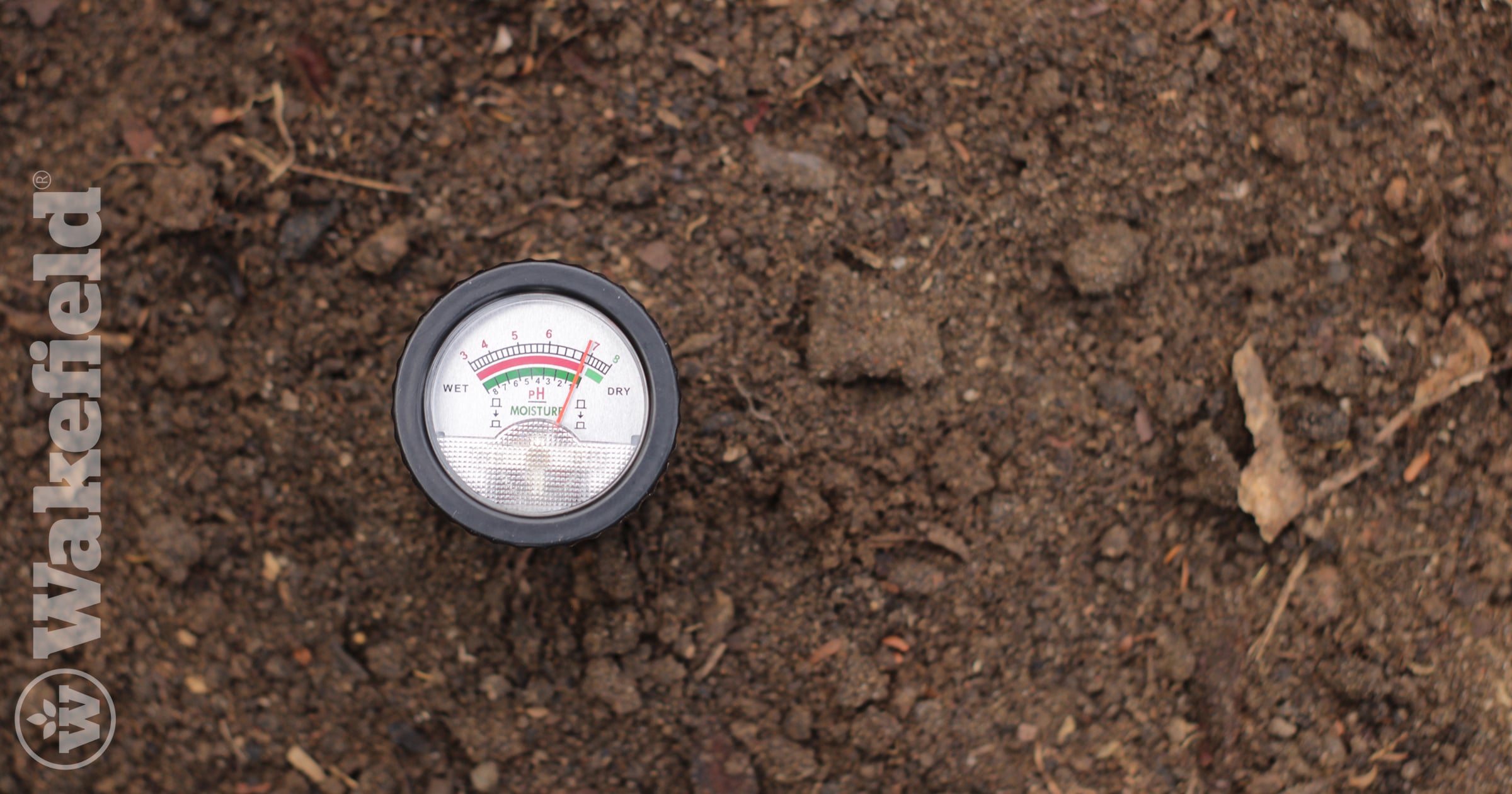
The chemical makeup of biochar encompasses a wide array of factors, including pH, elemental content (carbon, nitrogen, phosphorus, potassium), and the presence of functional groups. Each of these components can affect soil chemistry, fertility, and microorganism activity. pH, for instance, can range from acidic to alkaline depending on the feedstock and pyrolysis conditions, influencing nutrient availability. The nitrogen content is particularly significant; while biochar can retain nitrogen in the soil, excessive production may lead to nutrient loss, presenting a unique challenge for farmers.
5. Stability and Longevity
One of the most compelling advantages of biochar lies in its stability—some formulations can persist in soil for centuries. Assessing the stability of biochar requires understanding its susceptibility to decomposition and transformation over time. This quality indicator is crucial for evaluating the long-term benefits of carbon sequestration and nutrient retention in engaged agricultural systems. Monitoring the longevity of biochar in different environments can reveal insights into its potential as a sustainable amendment.
6. Contaminants and Toxicity
Quality indicators should also assess the purity of biochar. Contaminants such as heavy metals, polycyclic aromatic hydrocarbons (PAHs), and other toxic substances can adversely affect both plant health and environmental safety. Detailed screening of biochar through respective analytical methods is essential to ensure that it meets environmental regulations and does not introduce harmful materials into the ecosystem. The quest for purity, especially in urban-derived biochar, poses a noteworthy challenge for researchers and practitioners alike.
7. Application Practices
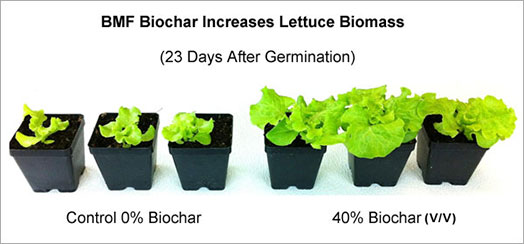
Effective application practices can significantly enhance biochar’s quality outcomes. These include the method of incorporation into soil, rate of application, and consideration of the local soil and cropping conditions. Depending on the end use, varying methodologies can optimize the performance of biochar. Engaging in multidimensional approaches to biochar application can also weave a tapestry of potential benefits, not only for crop yield but for ecological balance.
Conclusion: Charting the Future of Biochar Quality
In a world racing toward sustainability and innovative agriculture, biochar stands at the forefront, promising a myriad of benefits. Understanding quality indicators is akin to donning a magician’s cloak, unveiling the mysteries that determine the efficacy and success of this versatile tool. Exploring feedstock origins, production protocols, and comprehensive chemical analyses enables both researchers and practitioners to harness biochar’s potential fully. The playful challenge ahead lies in navigating the complexities of production while ensuring quality; for it is not merely about creating biochar, but producing the right biochar that flourishes in its application. As the dialogue around biochar continues to evolve, so too does our opportunity to become stewards of this transformative resource.