In the vast tapestry of our planet’s ecosystems, soil serves as an indispensable foundation. It is not merely dirt; it is a living, breathing entity, teeming with microorganisms and essential nutrients. Soil organic carbon (SOC), in particular, has emerged as a pivotal component in the quest for climate change mitigation and sustainable agriculture. The introduction of biochar—an ancient practice revitalized for modern soil enhancement—promises to elevate the carbon content of soils. However, the quest to quantitate this enhancement has led researchers down a labyrinthine path filled with discoveries, dilemmas, and delightful intricacies.
The Role of Biochar
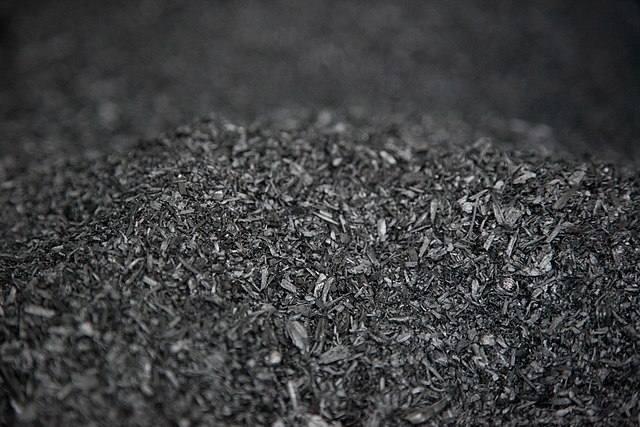
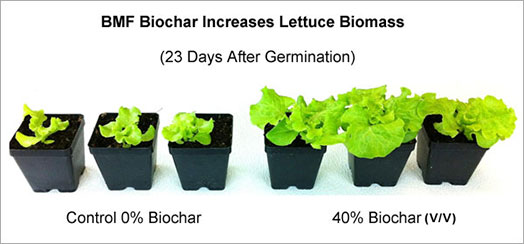
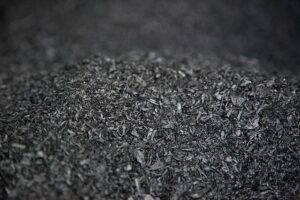
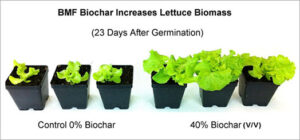
Imagine biochar as the phoenix rising from the ashes, a product derived from the pyrolysis of biomass. This charcoal-like substance has garnered attention due to its myriad benefits, both agronomic and environmental. When strategically applied to agricultural soils, biochar not only enhances soil fertility but also augments the retention of moisture, shifts the pH balance, and catalyzes microbial activity. The interplay of these factors creates a veritable Eden for plant growth. But the question remains: how does one measure the soil organic carbon resulting from biochar application?
The Measurement Conundrum
The quest for quantifying SOC after biochar application parallels the enigmatic search for the Holy Grail; it is fraught with complexities and uncertainties. Soil scientists face multifaceted challenges, including variability in soil types, climatic conditions, and biochar characteristics, each of which can influence the SOC dynamics dramatically. Analogous to navigating a dense forest where each twist and turn reveals a new path, researchers must adopt meticulous methodologies to unveil the truth hidden beneath the soil surface.
Methodologies for Measurement
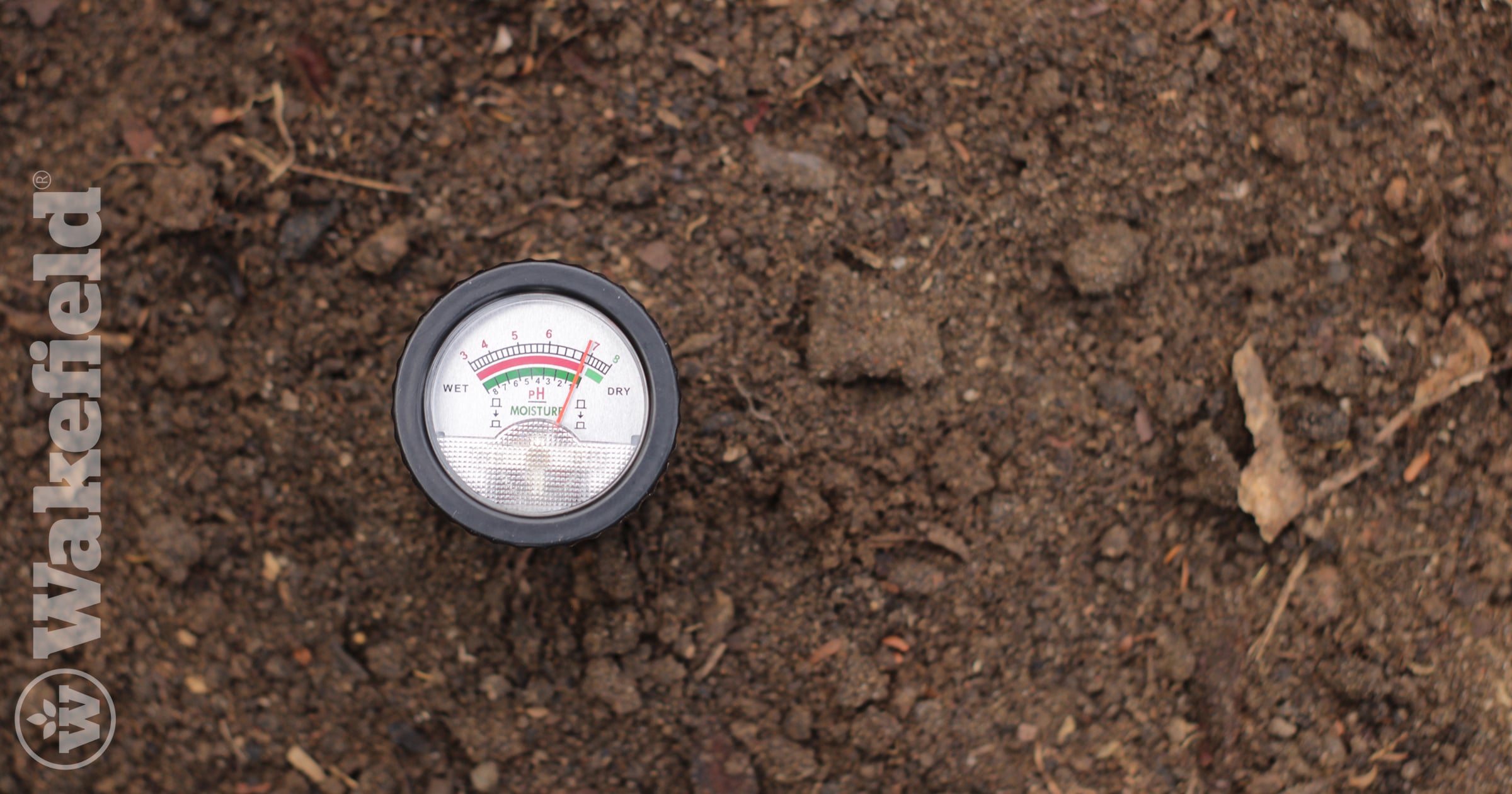
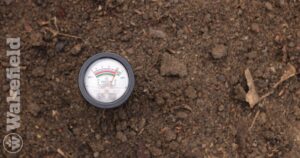
To unravel the SOC tapestry, a melange of methodologies is employed. These range from traditional laboratory assays, which painstakingly analyze soil samples, to advanced remote sensing technologies, capable of covering vast expanses of land. In the classical laboratory setting, soil samples are taken pre- and post-biochar application. The process is akin to a symphony, where each scientist plays their instrument—sieving, drying, and analyzing the samples—culminating in a harmonious understanding of the SOC shifts.
Alternatively, those venturing into more innovative realms utilize isotopic labeling, which tracks the path of carbon as it integrates into the soil matrix. This method glimmers with promise, providing more refined insights into carbon turnover rates and stability, revealing narratives that traditional methods might overlook.
Temporal Dynamics of SOC
One of the most intriguing findings researchers have unearthed pertains to the temporal dynamics of SOC following biochar application. When freshly applied, biochar may not result in immediate SOC spikes; instead, it behaves like a slow-release capsule, gradually embedding carbon into the soil over time. The initial excitement can often be misleading, with SOC changes manifesting after prolonged periods, echoing the concept of patience in gardening. It is essential for practitioners to maintain a sustained outlook while regularly monitoring SOC levels, for the rewards may reveal themselves when least expected.
Unveiling the Risks of Double Counting
In the realm of carbon accounting and climate policy, another layer of complexity unfurls—double counting. As the stakes grow higher in the fight against climate change, the meticulous tracking of carbon credits becomes paramount. Researchers have noted the potential risks associated with biochar’s dual roles in both carbon sequestration and soil fertility enhancement. Here lies the paradox: if not adequately accounted for, the same carbon may be counted multiple times within various carbon markets. This conundrum compels scholars and policymakers alike to craft robust frameworks that prevent such discrepancies, ensuring that every gram of carbon counted is truly representative of the soil’s elemental narrative.
Benefits Beyond Carbon Sequestration
While quantifying SOC remains critical, the narrative of biochar does not end there. The benefits of biochar application transcend mere numbers, enfolding the environment in a warm embrace. Improved soil structure synergizes with heightened nutrient availability, creating an ecosystem conducive to crop resilience against climate perturbations. Furthermore, biochar’s role in mitigating greenhouse gas emissions, through the reduction of nitrous oxide and methane, underscores its multifaceted appeal in contemporary agriculture. It is essentially a holistic remedy, fostering health not only of the soil but of the planet.
Conclusion: A Transformative Journey
The journey of quantifying soil organic carbon after biochar application serves as a microcosm of larger ecological processes—a constant dance of inputs and outputs, transformations and revelations. As researchers continue to untangle the web of SOC dynamics intertwined with biochar, they are not only enriching our understanding of soil health but also contributing to the broader narrative of sustainable land management. This endeavor, much like a well-tilled field awaiting the first shoots of spring, promises a future where both agriculture and the environment can flourish in tandem. In embracing the complexities of biochar, we are, invariably, tilting the scales toward a more sustainable and resilient future.