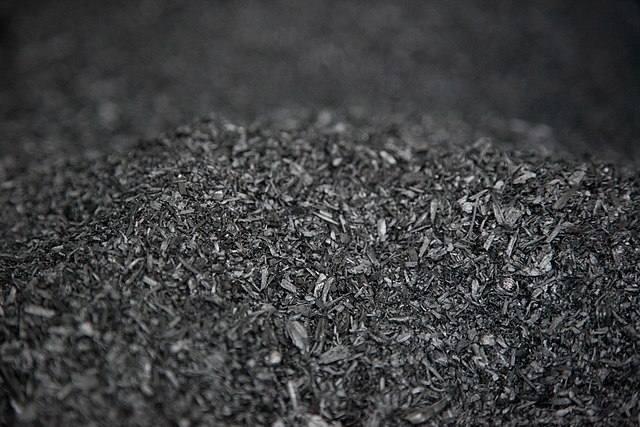
Biochar, a carbon-rich product derived from the pyrolysis of organic materials, is rapidly gaining attention as a sustainable soil amendment with myriad environmental benefits. However, the burgeoning interest in biochar also brings with it a complex web of regulations and compliance considerations aimed at ensuring its safe production and usage. Understanding these regulations is paramount for producers, researchers, and end-users alike, as failing to comply can have significant repercussions.
As the industry surrounding biochar evolves, so too do the legal frameworks intended to govern its production and application. Regulatory agencies at local, state, and federal levels are starting to take note of biochar’s potential, resulting in a patchwork of compliance measures. The following sections will delve into various types of regulations that impact biochar, including federal guidelines, state-specific legislation, environmental assessments, and safety standards.
1. Federal Regulations
At the federal level, biochar policies are significantly influenced by several key agencies, notably the Environmental Protection Agency (EPA) and the United States Department of Agriculture (USDA). The EPA’s primary focus lies in ensuring that biochar does not adversely affect air and water quality.
Under the Clean Air Act, biochar producers must be aware of emissions standards associated with the pyrolysis process. This involves the careful management of volatile organic compounds (VOCs) and particulate matter. Furthermore, biochar’s use as a soil amendment falls under the umbrella of the Federal Insecticide, Fungicide, and Rodenticide Act (FIFRA) if claims are made regarding its pest-reducing properties.
2. State Regulations
Beyond federal oversight, each state has unique regulations pertaining to biochar production and application. States like California have enacted stringent guidelines for biomass conversion, which includes biochar, emphasizing sustainability and carbon sequestration benefits. Compliance here may involve acquiring specific permits, particularly if biochar is produced from agricultural waste or other biomass sources.
Moreover, some states mandate that biochar producers conduct life-cycle assessments to gauge the environmental impact of their operations. This ensures that the benefits of biochar, such as improved soil health and reduced greenhouse gas emissions, are not outweighed by detrimental production processes. Other states might have less stringent requirements, but it is vital for producers to investigate local regulations thoroughly.
3. Environmental Assessments
Environmental assessments are foundational to biochar regulations. The production and utilization of biochar should not only be beneficial but must also comply with environmental standards that mitigate any potential negative impacts on ecosystems.
Life-cycle analysis (LCA) is frequently employed to evaluate the environmental consequences of biochar from its creation to its application. This comprehensive approach aids in determining the sustainability of various feedstocks and pyrolysis methods. Regulatory bodies often require these assessments as part of the permitting process to ensure compliance with environmental protection standards.
4. Safety Standards
Safety regulations governing biochar extend into multiple dimensions, including worker safety during the manufacturing process and the potential health risks associated with the application of biochar in agricultural settings. The Occupational Safety and Health Administration (OSHA) enforces safety practices that producers must adhere to in order to protect their employees from occupational hazards. Additionally, handlers of biochar need to be trained in proper usage techniques to prevent any adverse effects—including inhalation exposure to fine particulate matter.
Furthermore, if biochar is marketed as a soil amendment, it must comply with the specifications set forth by the Association of American Plant Food Control Officials (AAPFCO). This includes precise labeling that outlines its composition and ensures that no harmful contaminants are present.
5. Certification Programs
Several certification programs aim to streamline compliance in the biochar industry, boosting consumer confidence while simultaneously facilitating adherence to regulations. Programs like the International Biochar Initiative (IBI) offer certification for biochar producers, ensuring that their products meet specific sustainability and quality standards. Such certifications can enhance marketability and reassure consumers regarding the environmental stewardship of the product.
Moreover, these programs often require ongoing monitoring and reporting, ensuring that producers remain compliant with evolving regulations and standards. Adoption of certified practices can also enhance product credibility, thereby promoting a broader acceptance in agricultural markets.
6. Conclusion: The Future of Biochar Regulations
The regulatory landscape surrounding biochar is dynamic and multifaceted, reflecting its emergent status as a pivotal component in sustainable agriculture and climate change mitigation. Navigating these regulations necessitates an astute understanding of local, state, and federal requirements, as well as ongoing engagement with industry standards and certification programs.
As research continues to evolve and technologies improve, future regulatory frameworks will likely adapt. It is incumbent upon all stakeholders—from producers to end-users—to stay informed of these changes and advocate for clear, science-based regulations that support the responsible growth of the biochar industry. Ultimately, when managed correctly, biochar holds immense potential for addressing pressing environmental issues while promoting sustainable agricultural practices.