Biochar, an intriguing carbon-rich material produced from the thermochemical decomposition of organic matter, holds immense promise in various applications, including agriculture, environmental remediation, and even energy production. Understanding the safety guidelines associated with its production and use is critical for ensuring both efficacy and public health. This comprehensive guide delves into safety best practices associated with biochar, examining the myriad of risks entailed in its handling, production, and application.
1. Understanding Biochar: An Overview
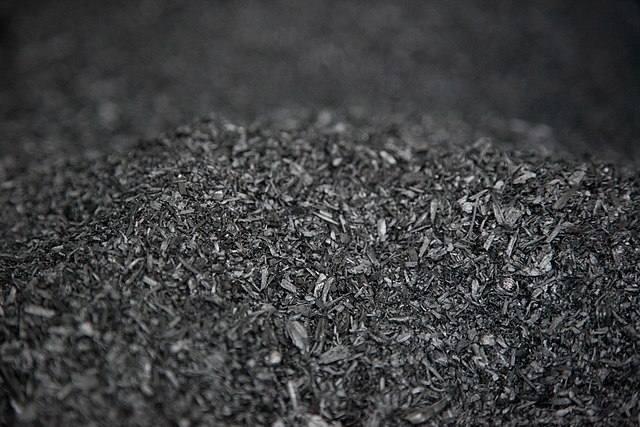
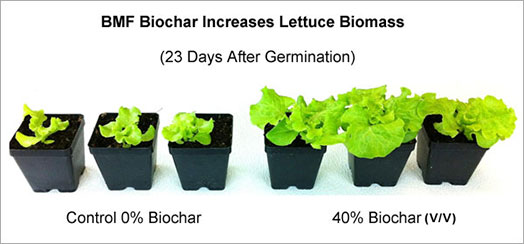
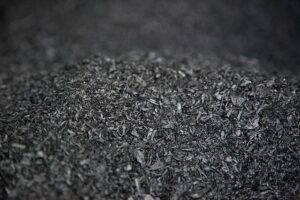
Before delving into safety protocols, it is crucial to grasp what biochar is and how it is generated. Biochar is created through pyrolysis, a process that involves heating organic material—such as wood, agricultural residues, or waste—at elevated temperatures in an oxygen-limited environment. This process not only sequesters carbon but also transforms the feedstock into a stable, porous substance that can enhance soil quality and reduce greenhouse gas emissions when applied to the earth.
2. Safety Concerns During Biochar Production
Producing biochar involves specific procedures that may present hazards to health and safety. Key safety concerns include:
- Fire Hazards: The pyrolysis process operates at high temperatures, making fire risks prevalent. Ensuring that production facilities are equipped with fire suppression systems and that operators are trained in fire safety is imperative.
- Inhalation Risks: The process generates smoke and particulate matter, which can be hazardous when inhaled. Utilizing appropriate respiratory protective equipment (RPE) and ensuring adequate ventilation in production areas can mitigate these risks.
- Chemical Exposure: Depending on the feedstock, byproducts may include harmful substances such as volatile organic compounds (VOCs) or dioxins. Rigorous monitoring and deployment of personal protective equipment (PPE) are essential to safeguard workers.
3. Safe Handling of Biochar
Once biochar is produced, safe handling practices must be employed to prevent health hazards. The following guidelines should be adhered to:
- Wear Appropriate PPE: Individuals handling biochar should wear gloves, masks, and protective eyewear to prevent skin contact and inhalation of fine particles. Ongoing training in the correct use of PPE is recommended.
- Use Proper Storage Techniques: Store biochar in a dry, sheltered environment to avoid moisture absorption, which can lead to the growth of mold or fungi. Clearly label stored materials, maintaining an inventory for safety compliance.
- Avoid Contamination: Ensure that biochar is not mixed with contaminants or stored in environments that may introduce harmful substances. Establish protocols for safe transfer of biochar between containers.
4. Application Safety Guidelines
When it comes to applying biochar in agricultural settings or landscaping, several safety guidelines should be observed:
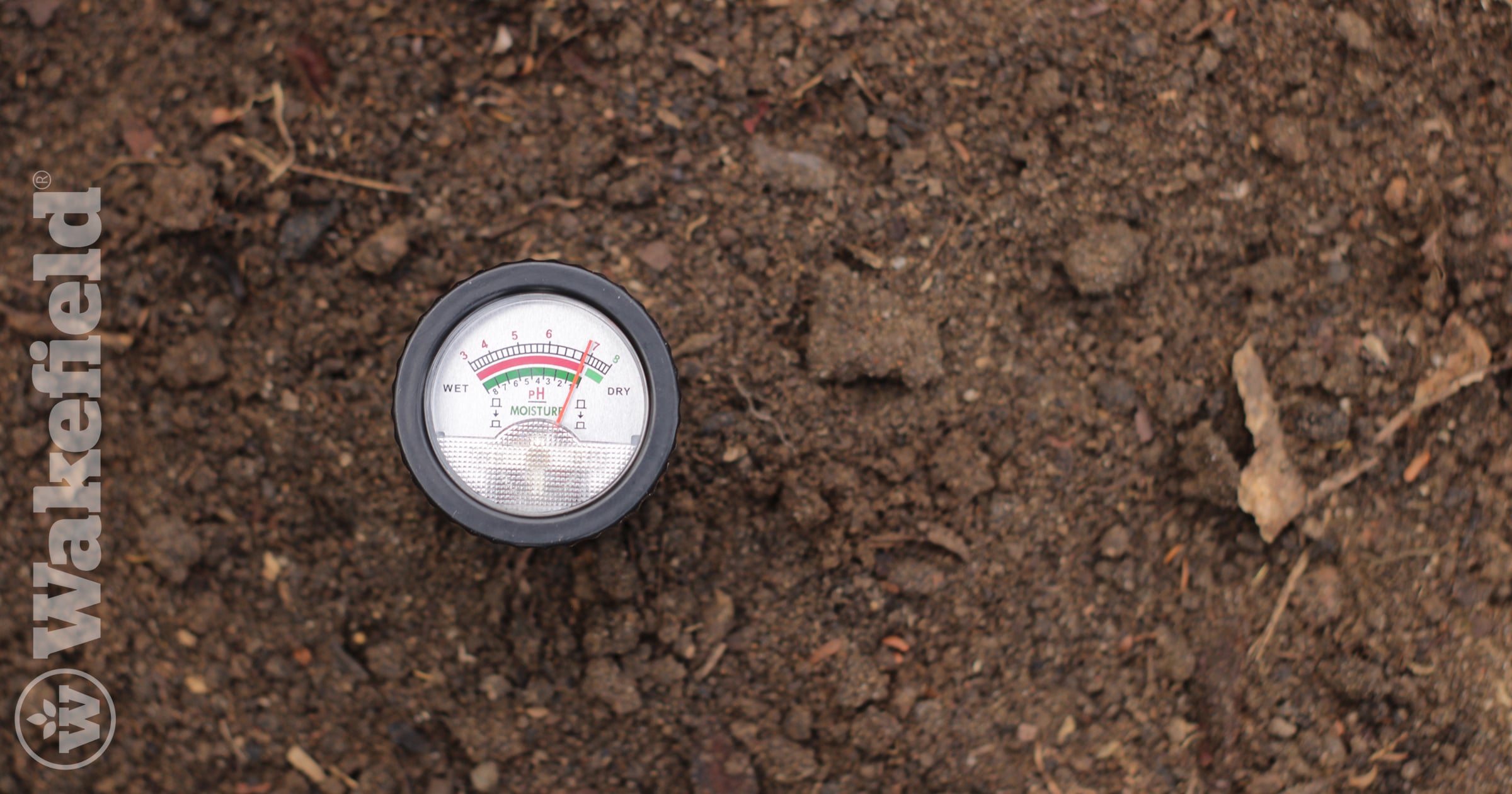
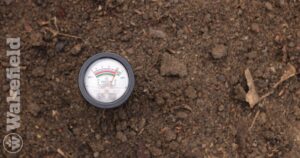
- Soil Testing: Prior to biochar application, conduct thorough soil testing to determine nutrient content and pH levels. This helps optimize the benefits of biochar while avoiding potential negative interactions with existing soil elements.
- Application Rates: Adhere to recommended application rates based on the specific crop needs and biochar characteristics. Over-application can lead to nutrient imbalances or soil toxicity.
- Environmental Considerations: Avoid applying biochar during heavy rainfall to prevent runoff and sedimentation into nearby water sources. It’s vital to consider the hydrology of the area, as biochar may alter water retention capabilities.
5. Health Considerations
Utilization of biochar can yield numerous benefits, but it can also pose potential health risks if not managed correctly. Essential considerations include:
- Respiratory Issues: Prolonged exposure to biochar dust during application may lead to respiratory problems. Monitoring air quality and observing weather conditions can notably decrease exposure risks.
- Allergic Reactions: Some individuals may exhibit sensitivities or allergic reactions to the organic compounds present in biochar. Monitoring for signs of allergic reactions and educating users about potential symptoms is critical.
6. Regulatory Compliance
Operators engaged in biochar production and application must remain vigilant about adhering to local and international regulations. This includes:
- Environmental Regulations: Ensure compliance with environmental protection standards regarding emissions and by-products from biochar production. Regular audits can help maintain adherence to these important regulations.
- Material Safety Data Sheets (MSDS): Maintain and consult MSDS for any bioproducts or chemicals involved in the production or application of biochar. This document contains crucial information on handling and potential hazards.
7. Conclusions and Best Practices
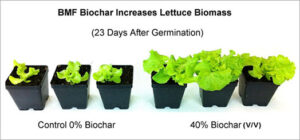
In conclusion, while biochar presents a multitude of environmental and agricultural advantages, its handling and application must be approached with caution and responsibility. By following well-defined safety guidelines and maintaining an informed perspective, producers and users can harness the full potential of this remarkable material while safeguarding human health and the environment. Continuous education and training regarding emerging safety protocols will further enhance biochar’s contributions to sustainable development and ecological stewardship.