In the ever-evolving narrative of climate change and environmental sustainability, carbon dioxide emissions have emerged as a formidable adversary. While numerous strategies have been devised to mitigate these emissions, biochar—a porous charcoal-like material produced from organic waste—stands out as a compelling solution, particularly for urban settings. The advantages of scaling biochar production are multifaceted, impacting not only carbon removal but also urban ecology, waste management, and soil health.
**Understanding Biochar**
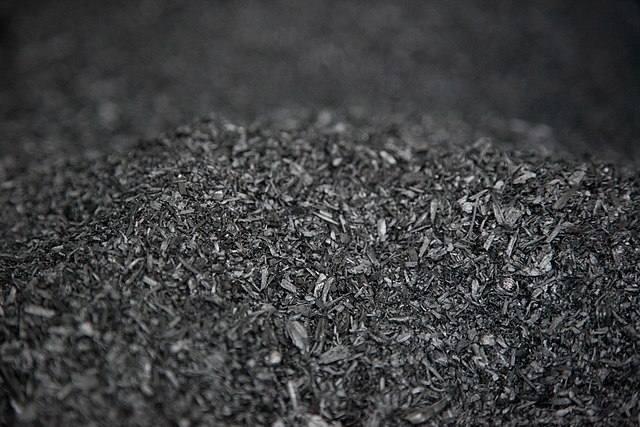
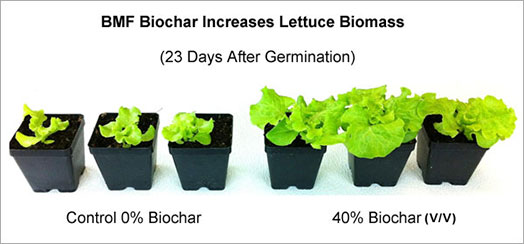
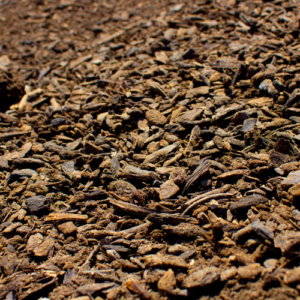
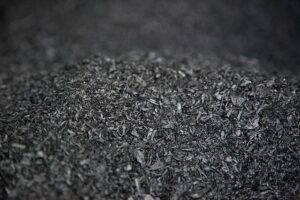
At its core, biochar is created through a process known as pyrolysis, wherein organic material is thermally decomposed in the absence of oxygen. This transformation results in a stable form of carbon that can be sequestered in soil for hundreds to thousands of years. The appeal of biochar goes beyond its carbon sequestration capabilities; it also improves soil quality, enhances water retention, and promotes microbial activity. Urban areas, characterized by concrete infrastructures and limited green spaces, stand to benefit immensely from integrating biochar into their ecosystems.
**Urban Carbon Footprint: The Challenge**
Urban centers contribute significantly to the global carbon footprint, primarily due to dense populations, energy consumption, and vehicular emissions. In fact, cities account for over 70% of greenhouse gas emissions despite occupying only a small fraction of the Earth’s surface. This stark reality necessitates innovative solutions to alleviate the burden on urban environments. Herein lies the potential of biochar, as it not only functions as a carbon sink but also acts as a catalyst for sustainable urban development.
**The Path to Scalability**
Scaling biochar production in urban settings hinges on several pivotal elements. First and foremost, establishing a robust supply chain for feedstock is crucial. Urban waste streams, such as agricultural residues, yard waste, and food scraps, can serve as excellent feedstock for biochar production. By converting waste into a valuable resource, urban areas can significantly reduce landfill contributions while simultaneously contributing to carbon reduction efforts.
Moreover, the establishment of localized biochar production facilities exemplifies an effective strategy to streamline operations. Small-scale pyrolysis units can be strategically placed within communities, creating a decentralized system that transforms organic waste into biochar on-site. This not only minimizes transportation emissions but also fosters community engagement through the involvement of local stakeholders in biochar initiatives.
**Environmental and Economic Benefits**
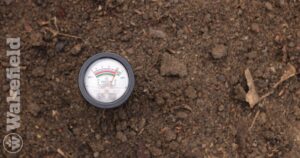
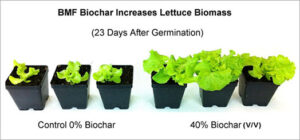
The environmental ramifications of scaling biochar solutions are profound. By sequestering carbon and decreasing greenhouse gas emissions, biochar could be pivotal in achieving national and global climate goals. Furthermore, its application in urban soils can ameliorate soil fertility and health, offsetting the often-deleterious impact of urbanized landscapes. Enhanced soil quality directly correlates with improved urban agriculture, yielding fresh produce and fostering food security.
In addition to environmental gains, the economic implications are equally significant. The biochar industry represents a burgeoning sector of the green economy, promising job creation in production, logistics, and distribution. Moreover, urban areas can capitalize on potential revenue streams from carbon credits, acquired through biochar’s carbon sequestration capabilities. Thus, as cities explore biochar solutions, they not only edge closer to sustainability but also bolster their economic resilience.
**Community Engagement and Education**
Education and community involvement are critical components in advancing biochar initiatives within urban settings. By fostering a culture of sustainability and environmental stewardship, cities can galvanize residents to participate in composting programs, local biochar production, and utilization in gardening and landscaping. Educational campaigns that elucidate the benefits of biochar and its production can dispel misconceptions while highlighting its practicality as a carbon removal strategy.
Community workshops that invite residents to partake in the biochar-making process can engender a sense of ownership and pride in sustainable practices. Additionally, urban urban planners and policymakers have a role to play in incorporating biochar into municipal waste management plans and urban development strategies, ensuring that biochar becomes an integral part of the urban fabric.
**Research and Innovation**
To truly harness biochar’s potential, ongoing research and innovation are paramount. Scientists and researchers are tasked with exploring various feedstocks, production methods, and application techniques to optimize biochar’s effectiveness in carbon capture and environmental restoration. Advances in technology, particularly in precision pyrolysis, can yield biochar with tailored properties, enhancing its suitability for specific urban environments.
Continuing to deepen the understanding of biochar’s interactions with urban soils, plants, and microorganisms will unveil new applications and benefits. By fostering interdisciplinary collaborations among environmental scientists, urban planners, and community organizations, cities can lead the charge in making biochar a cornerstone of urban sustainability.
**Conclusion**
In sum, scaling biochar solutions within urban contexts presents a trifecta of environmental, economic, and social benefits. As cities grapple with the twin challenges of climate change and urbanization, embracing innovative approaches like biochar could herald a new paradigm of sustainable living. Through localized production, community engagement, and ongoing research, urban populations can transform organic waste into a powerful tool for carbon removal and ecological restoration. The path to a sustainable urban future is undoubtedly complex, yet the integration of biochar offers a compelling glimpse of what might be possible when ingenuity and sustainability converge.