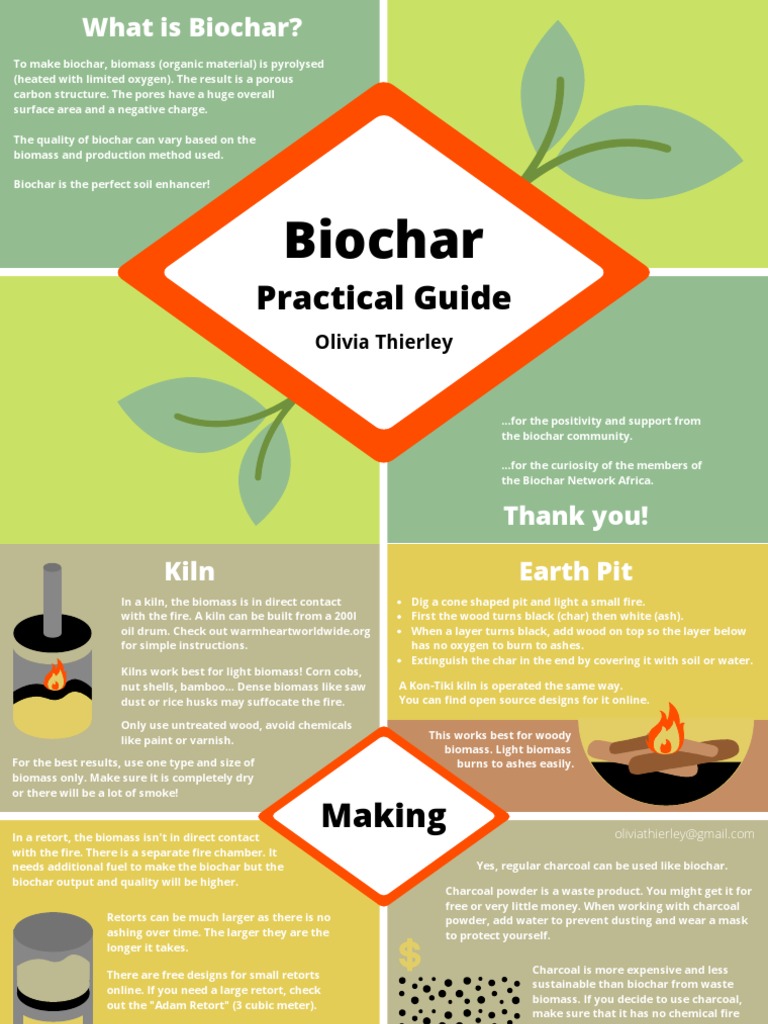
In the realm of sustainable gardening and agriculture, biochar has emerged as a pivotal component in enhancing soil health and promoting ecological balance. As gardeners and growers start to embrace regenerative practices, the question arises: should you incorporate biochar into your growing regimen? This decision guide delves into the myriad benefits, considerations, and applications of biochar, providing a comprehensive resource for discerning enthusiasts keen to augment their green practices.
Understanding Biochar: What Is It?
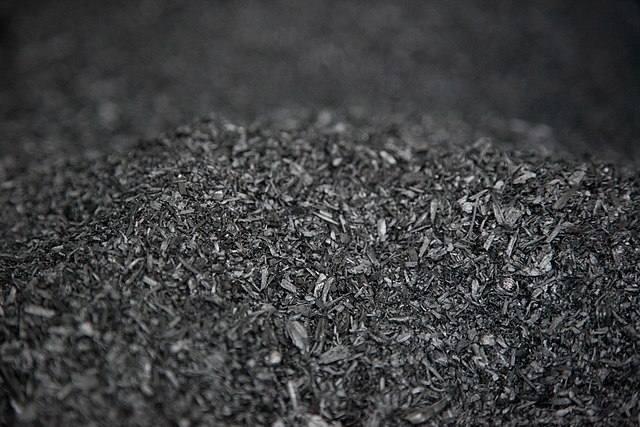
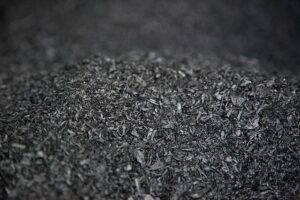
Biochar is a carbon-rich material produced by pyrolysis, a process entailing the thermal decomposition of organic matter in an oxygen-limited environment. Generally derived from agricultural residues, wood chips, or other biomass, biochar generally boasts a porous structure, offering a plethora of advantages when integrated into soil. Its myriad applications range from enhancing nutrient availability to improving water retention, making it a multifaceted addition to any garden or agricultural system.
The Benefits of Using Biochar in Your Garden
Before making a decision on whether to use biochar, it is vital to comprehend the potential benefits it brings to the table.
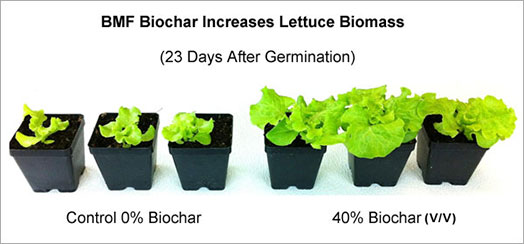
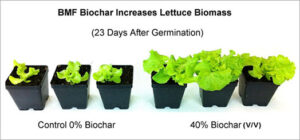
- Nutrient Retention: Biochar’s porous architecture creates a vast surface area that captures nutrients, thus reducing leaching and ensuring that essential minerals remain available for plant uptake. This retention can lead to decreased fertilizer dependency, promoting a more eco-friendly approach to gardening.
- Soil Aeration: The incorporation of biochar can substantially enhance soil structure, promoting aeration and improving root penetration. This is particularly beneficial in compacted soils, enabling better access to water and nutrients.
- Water Management: Biochar increases the soil’s capacity to retain moisture, making it advantageous in arid regions or during dry spells. Its hydrophilic properties can lead to lush, thriving plants without incessant watering.
- pH Neutrality: Many types of biochar are pH neutral or alkaline, assisting in buffering soil acidity. This quality is crucial for certain crops that thrive in neutral or alkaline conditions.
- Carbon Sequestration: By utilizing biochar, gardeners and growers contribute to carbon sequestration efforts, effectively trapping carbon dioxide within the soil and mitigating the impacts of climate change.
Types of Biochar: A Diverse Spectrum
Not all biochars are created equal. Various feedstocks and production methods yield different qualities. Here’s a closer look at some common types:
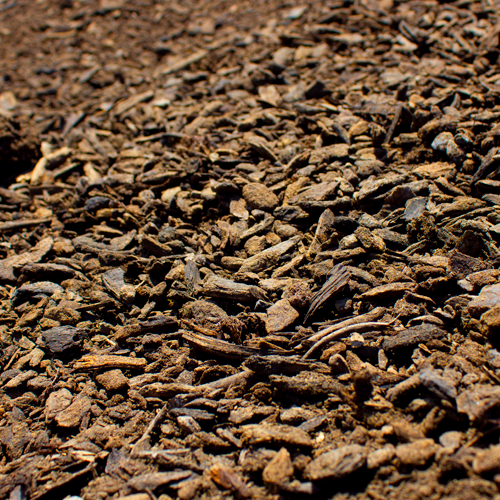
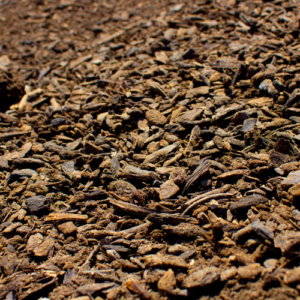
- Wood-Based Biochar: Typically derived from timber byproducts, this type is known for its high carbon content and specific surface area, making it ideal for general gardening use.
- Crop Residue Biochar: Made from agricultural byproducts such as husks or stalks, crop residue biochar often contains trace nutrients, providing added benefits, especially in areas where these residues might otherwise be burned.
- Manure Biochar: Produced from livestock manure, this biochar type is nutrient-rich and particularly beneficial for enhancing soil fertility. However, it may require careful management to avoid introducing pathogens.
- Biochar Blends: Often, biochar is mixed with compost or other organic amendments to amplify its benefits, ensuring a holistic approach to soil health.
Challenges of Using Biochar
Despite an array of potential advantages, it’s essential to address some inherent challenges associated with biochar utilization:
- Quality Variation: The production methods and feedstock can greatly influence biochar’s quality. Conducting thorough research or sourcing from reputable suppliers is crucial for obtaining effective material.
- Application Rates: Determining the appropriate amount of biochar for your garden may require experimentation. Excessive application can lead to imbalances, so it’s paramount to start small and assess results.
- Initial Nutrient Lock-Up: Some biochars may initially bind nutrients tightly due to their high cation exchange capacity, inadvertently depriving plants until the system equilibrates.
- Cost Considerations: Depending on sourcing and transportation, biochar can be costly, making it vital to evaluate the budget before integrating it on a large scale.
A Practical Implementation Guide
To successfully navigate the introduction of biochar into your gardening routine, consider the following practical steps:
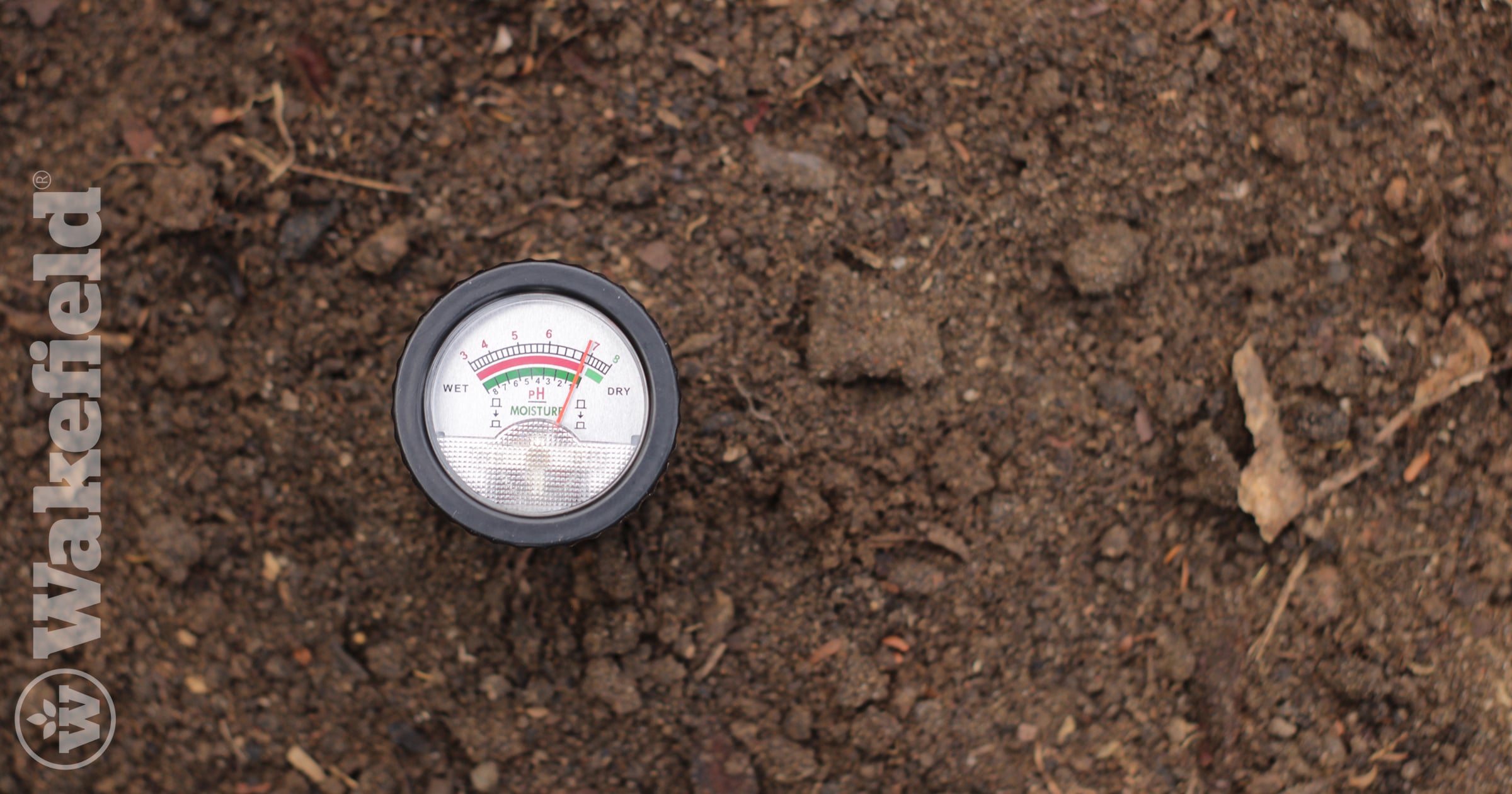
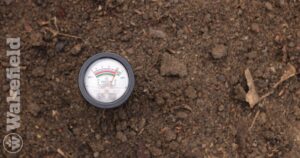
- Conduct Soil Testing: Before any amendments, analyze your soil’s current state to identify specific needs and deficiencies.
- Select Quality Biochar: Investigate reputable sources, examining their production methods and feedstock to ensure quality.
- Start with Small Amounts: Gradually incorporate biochar into your soil, beginning with a conservative application (typically 5-10% mix with soil) to observe plant response.
- Monitor and Adjust: Continuously monitor your plants’ growth, soil moisture, and nutrient availability, adjusting the biochar application as needed based on the feedback from your plants.
- Combine with Other Amendments: Use biochar in conjunction with compost or organic fertilizers to enhance soil microbial activity and overall fertility.
Conclusion: A Thoughtful Decision for the Future
In summary, deciding whether to use biochar is multifaceted, encompassing unique benefits and challenges. By understanding the diverse types of biochar, evaluating their suitability for specific gardening needs, and employing practical application methods, you can effectively enhance soil health and contribute to sustainable agricultural practices. As we strive to cultivate a greener future, biochar emerges as a promising ally in the quest for sustainable gardening and reformed land stewardship.