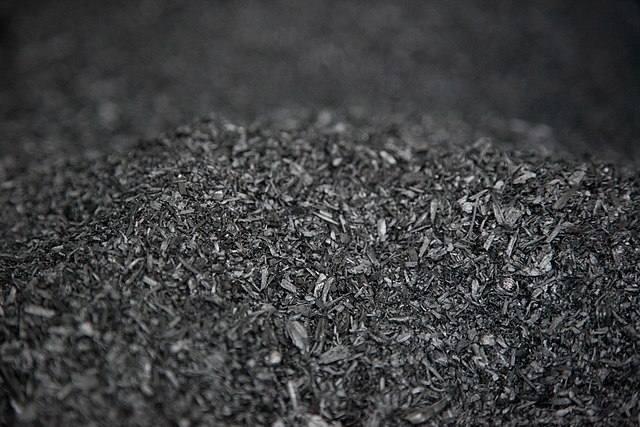
Biochar, a carbon-rich product derived from the pyrolysis of organic materials, is gaining traction for its multifaceted benefits in agriculture, environmental remediation, and carbon sequestration. As interest in sustainable practices grows, so does the need for accessible and efficient methods of biochar production, particularly among small-scale producers. Small-scale kilns represent a pragmatic solution to this burgeoning demand, allowing artisans, farmers, and eco-entrepreneurs to create biochar directly from locally sourced biomass. This article explores the various types of small-scale kilns, examining their unique features, benefits, and applications.
Beginning with the basics, it’s imperative to understand the principles of biochar production. Pyrolysis, the thermal decomposition of organic material in the absence of oxygen, is central to creating biochar. Varying the temperature, duration, and feedstock type influences the properties and suitability of the resulting biochar for different applications. Consequently, small-scale kilns provide an excellent platform for customization and experimentation.
**Types of Small-Scale Kilns**
Several types of small-scale kilns exist, each designed with distinct functionalities and operational characteristics. These may be broadly categorized into traditional earth kilns, metal kilns, and advanced designs such as gasifier kilns.
**1. Traditional Earth Kilns**
Traditional earth kilns, often constructed from locally available materials, represent an age-old method of biochar production. These pits or mounds utilize a simple combustion process where biomass is stacked, covered, and ignited. The earth’s insulation limits airflow, promoting pyrolysis rather than complete combustion. While the construction is straightforward, the efficiency of biochar production may be compromised by uneven burn and variable product quality. However, these kilns are cost-effective and easy to replicate, making them ideal for beginner biochar enthusiasts.
**2. Metal Kilns**
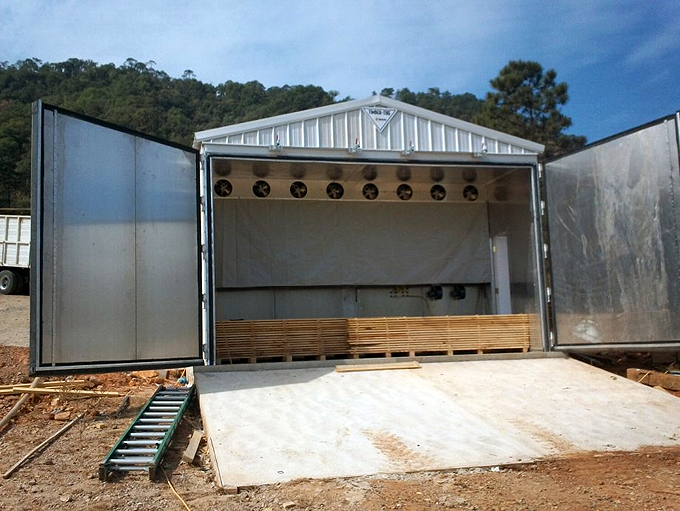
Metal kilns offer a more controlled environment for biochar production. Typically constructed from steel or other durable materials, these kilns can withstand higher temperatures and provide a more efficient thermal process. Some models are designed with secondary combustion features and gas management systems. These aspects reduce smoke emissions and maximize energy recovery, making metal kilns not only effective for biochar production but also environmentally friendly. Furthermore, their modular designs often allow for scalability, supporting both small and larger operations.
**3. Gasifier Kilns**
Gasifier kilns epitomize innovation in small-scale biochar production. They utilize a two-stage process that first gasifies the feedstock, creating biochar while releasing combustible gases. This design often includes mechanisms to capture and utilize the syngas produced, providing heat energy for processes like cooking or electricity generation. Although more complex and potentially costlier than traditional options, gasifier kilns yield high-quality biochar and enhance energy efficiency. Their versatility makes them appealing to those seeking a dual-purpose system for both char production and energy generation.
**Benefits of Small-Scale Kilns**
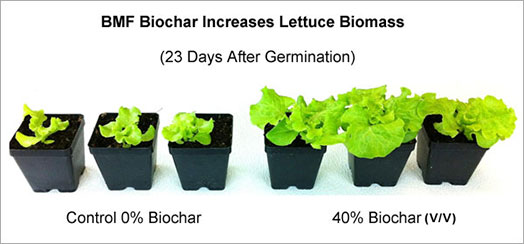
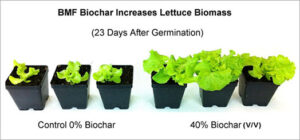
The advantages of adopting small-scale kilns for biochar production are manifold. Firstly, they promote decentralized biomass resource utilization, minimizing transportation costs and greenhouse gas emissions. Small-scale kilns encourage local communities to envision sustainable practices that enhance soil health, improve crop yields, and facilitate waste management. Thus, biochar made from local feedstock can catalyze a shift towards resilience in farming practices and local economies.
Moreover, small-scale kilns allow for experimentation with diverse feedstocks. Whether it be agricultural residues, forestry waste, or even urban organic materials, the flexibility in input types means that biochar can be tailored to specific soil conditions and agricultural needs. The particularities of feedstock greatly influence the properties of the resulting biochar, enabling innovative applications that range from enhancing soil nutrient retention to enhancing soil microbial activity.
**Challenges and Considerations**
While small-scale kilns present compelling advantages, they are not without challenges. Efficiency can vary significantly based on the type of kiln and the skill of the operator. Learning how to achieve optimal pyrolysis conditions requires experience and experimentation. Additionally, regulations surrounding air quality and emissions should not be overlooked, as improper operation of kilns can lead to negative environmental impacts.
Investment costs for metal or gasifier kilns can be restrictive for newcomers, although these systems may pay off in the long run through enhanced production efficiency and quality. For this reason, individuals interested in biochar production must weigh initial expenses against potential benefits.
**Future Perspectives**
Looking ahead, the global interest in sustainability and carbon management is likely to fuel advancements in small-scale kiln technology. Innovations such as automated systems to control temperature and airflow, alongside improved materials and designs, may provide further efficiencies. The intersection of biochar production and renewable energy sources can also lead to impactful synergistic solutions that redefine small-scale agricultural practices.
In conclusion, small-scale kilns serve as a gateway for diverse stakeholders to participate in the biochar movement, promoting both environmental stewardship and economic resilience. As knowledge and technologies advance, these kilns could become essential tools for cultivating sustainable agricultural practices and tackling climate change, one batch of biochar at a time.