In recent years, the agricultural community has witnessed an intriguing resurgence of interest in an age-old technique: biochar. This charcoal-like substance, derived from the pyrolysis of organic material, has emerged as a beacon of hope for enhancing soil quality and, ultimately, agricultural productivity. As we delve into the multifaceted benefits of biochar, we will unravel the promises it holds, sparking curiosity about its transformative potential in soil conditioning.
The Genesis of Biochar
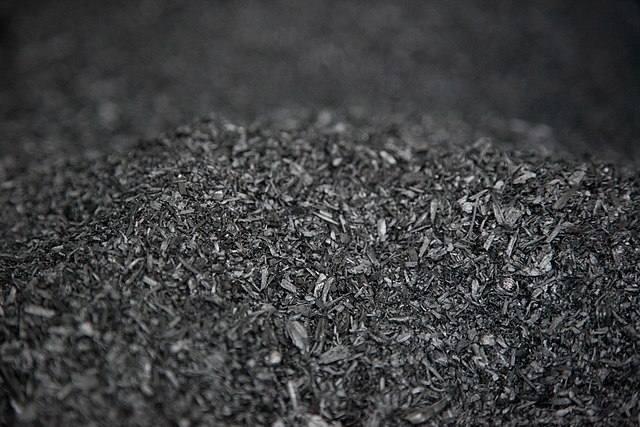
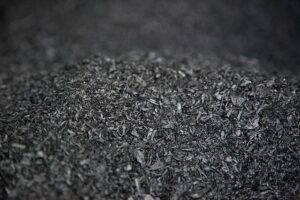
Before we explore its applications, it’s essential to understand the genesis of biochar. Biochar is produced through a thermochemical process known as pyrolysis, where organic matter—such as agricultural waste, forestry residues, or even municipal solid waste—is heated in a low-oxygen environment. This process not only converts biomass into biochar but also separates volatile gases, which can be captured and utilized as energy. This unique production method imbues biochar with distinctive properties that significantly enhance its efficacy as a soil conditioner.
Understanding Soil Quality
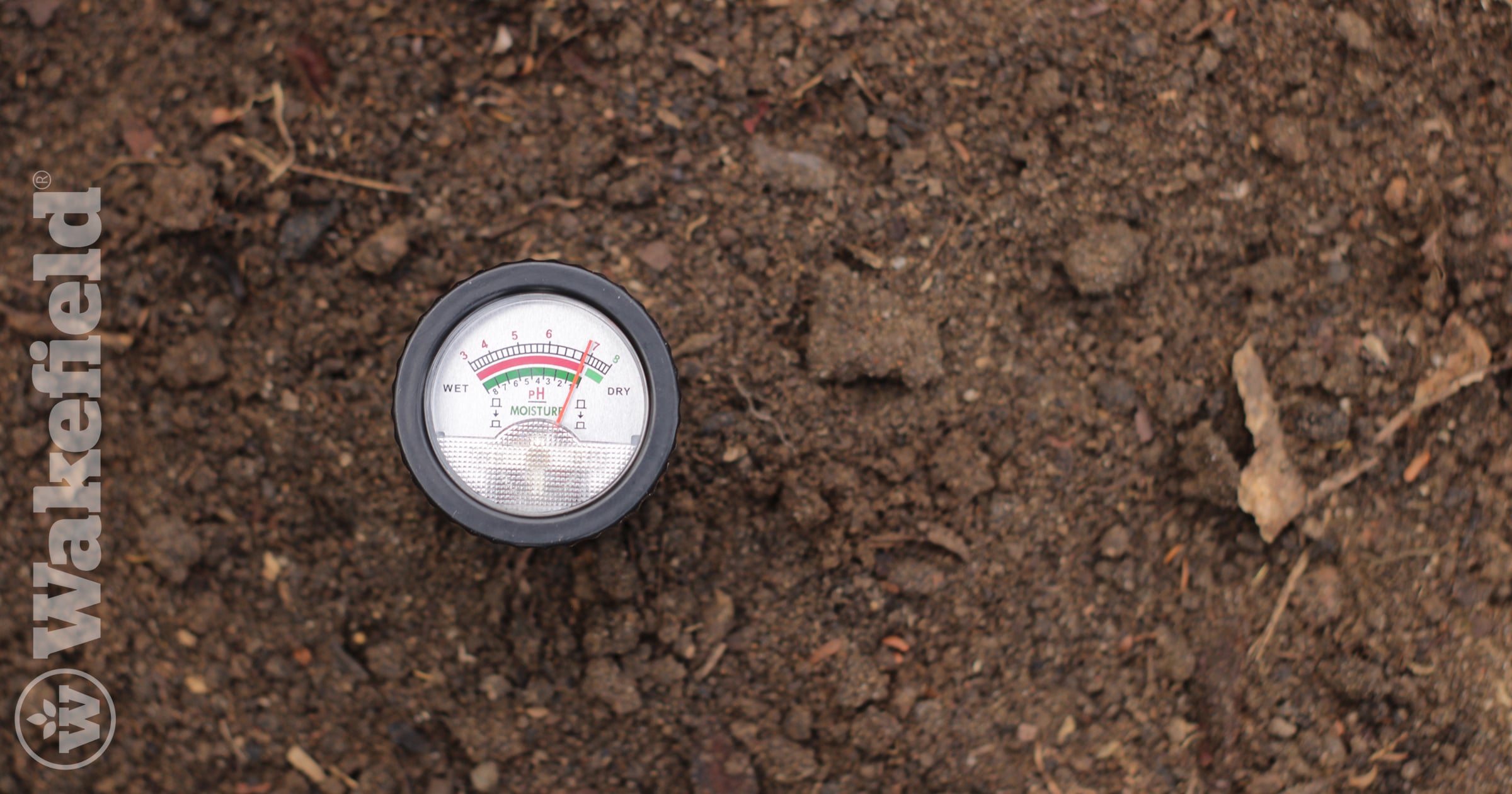
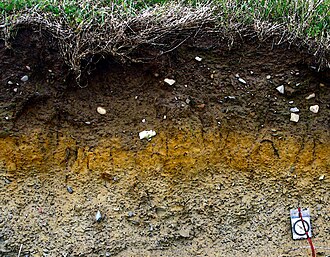
Soil quality is paramount to the success of any agricultural endeavor. It comprises various physical, chemical, and biological attributes that determine its fertility and health. Healthy soil fosters robust plant growth, providing the essential nutrients, aeration, and water retention needed for crops to thrive. Unfortunately, many agricultural soils are plagued by issues such as nutrient depletion, erosion, and pollution, necessitating innovative solutions that can restore and rejuvenate them.
Biochar and Soil Conditioning
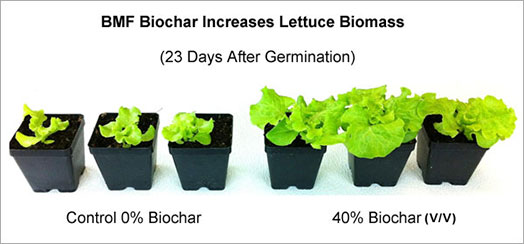
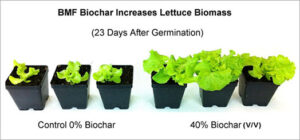
The application of biochar to soil is posited as a transformative strategy for soil conditioning. One of its primary substances, carbon, plays a pivotal role in enhancing soil structure and fertility. When integrated into the soil matrix, biochar enhances the soil’s ability to retain moisture and nutrients, effectively rendering them more available for plant uptake. This remarkable ability to provide a steady supply of essential nutrients can lead to improved crop yields and reduced reliance on chemical fertilizers—an attractive prospect for sustainable agriculture.
Enhancing Soil Structure
Biochar’s unique physio-chemical properties facilitate the creation of a more stable soil structure. Its porous nature allows it to act like a sponge, capturing and holding water while simultaneously improving aeration. This is crucial, particularly in areas with a propensity for drought, where moisture retention can be the difference between a bountiful harvest and complete crop failure. Moreover, biochar helps mitigate soil compaction, which is often detrimental to root development and overall plant health.
Promoting Microbial Life
The incorporation of biochar into soil also fosters a thriving ecosystem of beneficial microorganisms. The porous architecture of biochar provides an ideal habitat for bacteria, fungi, and other soil-life entities. These microorganisms play an instrumental role in nutrient cycling, decomposing organic matter, and bioremediation. A bustling microbial community not only enhances nutrient availability but also fortifies plant defenses against pathogens, thus contributing to more robust plant health.
Carbon Sequestration and Climate Change Mitigation
Perhaps one of the most captivating aspects of biochar lies in its potential to combat climate change. By sequestering carbon in the soil, biochar presents a viable mechanism to mitigate greenhouse gas emissions. The stable carbon compounds in biochar resist decomposition, effectively locking away carbon for centuries. As such, the widespread adoption of biochar could play a crucial role in reducing the atmospheric concentration of carbon dioxide, providing a dual benefit of enriching soils while simultaneously addressing a pressing global challenge.
Challenges and Considerations
A Paradigm Shift in Perspective
The adoption of biochar in agriculture prompts a transformative shift in perspective, urging us to re-evaluate traditional agricultural practices and consider sustainable alternatives. This perspective encourages holistic thinking and an appreciation for the interconnectedness of soil health, plant health, and environmental stewardship. Embracing biochar not only supports a shift toward more sustainable farming systems but also enhances resilience against climate change challenges.
The Road Ahead
As research continues to unveil the myriad advantages of biochar, its potential as a soil conditioner and environmental ally becomes increasingly evident. Agri-preneurs, scientists, and policymakers are actively exploring the roles of biochar in creating sustainable agricultural landscapes. With innovative integration strategies and the adoption of best practices, biochar could soon become a cornerstone of regenerative agriculture.
In conclusion, biochar stands at the intersection of innovation and tradition, prompting a compelling dialogue about the future of agriculture. By fostering curiosity and reimagining our relationship with soil, we can unlock the full potential of this remarkable material. With its promises of enhanced soil quality, climate change mitigation, and sustainable agriculture, biochar is more than just a soil amendment—it’s a gateway to a more sustainable and resilient agricultural future.