In an era where sustainable agriculture takes precedence, innovative solutions continuously emerge to address soil degradation and promote crop productivity. One such solution, garnering increasing attention among agronomists and environmentalists alike, is biochar. But what exactly is biochar, and how does it enhance soil quality? Before we delve into its myriad benefits, let’s pose a playful question: What if you could transform carbon waste into a treasure for your garden? This notion underpins the fundamental essence of biochar—turning something seemingly useless into something extraordinarily beneficial.
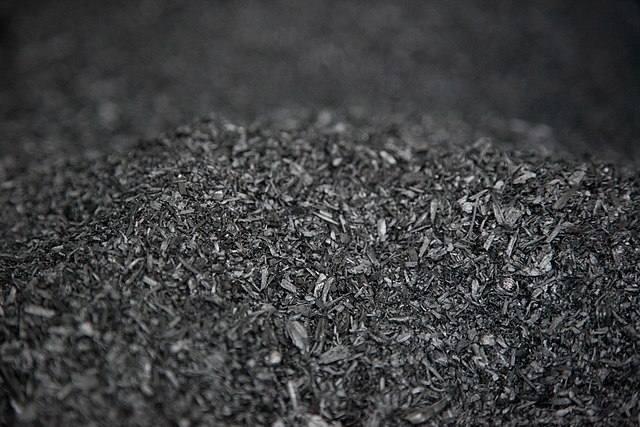
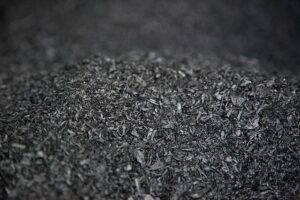
Biochar is a lightweight, charcoal-like material produced through the pyrolysis of organic matter, such as agricultural residues, forestry by-products, or even municipal waste. The process involves heating the biomass in a low-oxygen environment, which prevents complete combustion and results in the formation of this stable form of carbon. The implications of this are vast, as biochar’s unique properties afford it remarkable capabilities in soil enhancement.
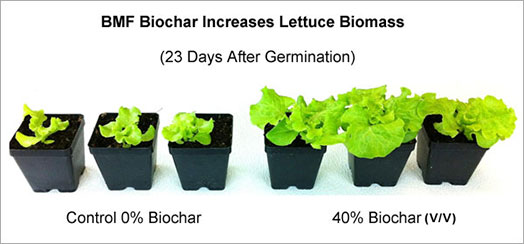
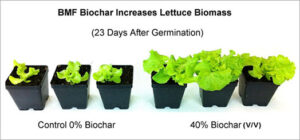
At the core of biochar’s benefits lies its capacity to improve soil structure. Imagine a fragmented landscape of compacted soil that struggles to retain moisture and nutrients. When biochar is incorporated, it creates a porous matrix that enables better aeration, enhances drainage, and limits soil erosion. The physical structure of biochar significantly increases soil porosity, allowing for improved root penetration and the subsequent establishment of healthier plants. It’s akin to creating a well-structured lattice that supports the intricacies of microbial life and plant roots.
Moreover, biochar serves as a formidable ally in the fight against nutrient leaching. Conventional fertilizers tend to wash away with rainfall, leading to environmental concerns such as water pollution and wastage of resources. In contrast, biochar possesses a remarkable ability to retain essential nutrients. Its porous nature holds onto these nutrients like a sponge, releasing them gradually to plants over time. Consequently, this not only curtails fertilizer usage but also contributes to more sustainable agricultural practices.
Furthermore, biochar demonstrates exceptional efficacy in sequestering carbon from the atmosphere. In a world grappling with climate change, the dual role of biochar as a soil enhancer and a carbon sink cannot be overstated. By sequestering carbon for centuries, biochar serves to mitigate greenhouse gas emissions, offering a compelling response to the challenge of global warming. It’s fascinating to consider that a material so beneficial for plants could also act as a guardian for the planet.
However, the utilization of biochar is not without its challenges. For instance, the production process requires energy and proper management to ensure efficiency and environmental sustainability. Moreover, the type of feedstock used can significantly influence the properties of the biochar produced. Different raw materials yield varying qualities of biochar, presenting a potential conundrum for farmers and land managers. Could our quest for optimal soil enhancement be hampered by the variability in biochar characteristics? The solution lies in careful selection and testing to identify the most beneficial biochar for specific soil types and crops.
As we explore further, let’s consider the relationship between biochar and soil microbiome dynamics. The introduction of biochar not only modifies the physical properties of soil but also fosters a thriving ecosystem of microorganisms. These beneficial microbes find refuge within the intricate pore structures of biochar, promoting nutrient cycling and disease suppression. The interaction between plants and biochar-supported microbial communities enhances overall plant vigor and resilience to environmental stressors. This burgeoning relationship nurtures a delicate balance within the soil ecosystem—a dance of life that is crucial for sustainable agriculture.
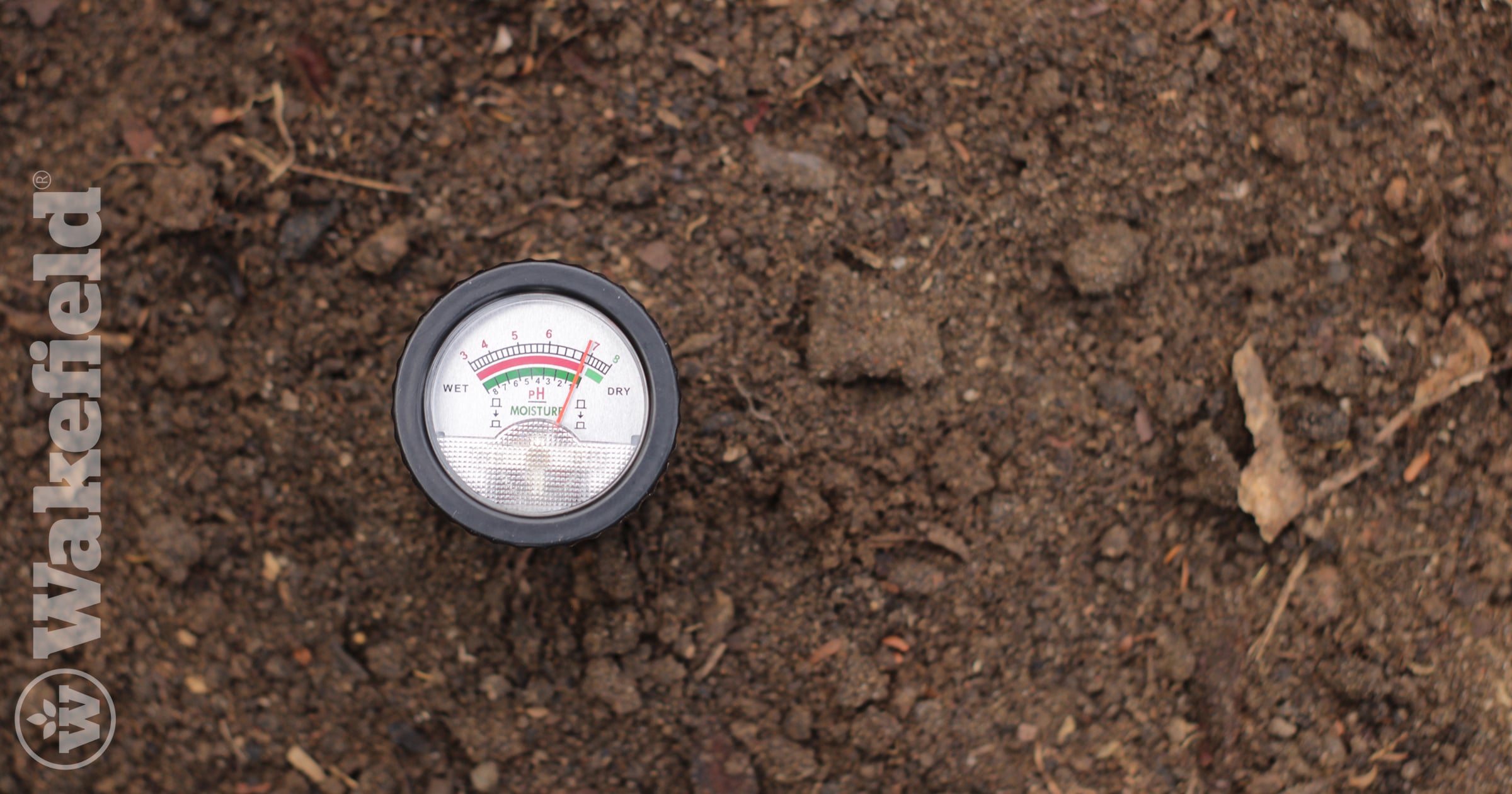
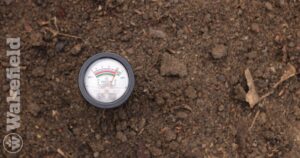
In addition to fostering microbial life, biochar can optimize soil pH levels. Depending on its source, biochar can possess alkaline properties that ameliorate acidic soils. This is particularly beneficial for regions plagued by soil acidity, which impairs plant nutrient uptake and limits crop productivity. By incorporating biochar into practice, farmers can inadvertently adjust the soil’s pH, paving the way for more favorable growing conditions. What if the answer to your soil woes lay in a seemingly mundane, carbon-rich substance? The transformative power of biochar might just be that hidden gem waiting to be uncovered.
Another exciting aspect of biochar lies in its potential applications beyond agriculture. Urban settings could also benefit from biochar application in the remediation of contaminated soils. Its adsorption capacity enables biochar to absorb heavy metals and toxins, thus playing a vital role in environmental protection efforts. Imagine repurposing waste into a tool for urban sustainability! The versatility of biochar speaks volumes to its potential impact across various domains.
In conclusion, biochar emerges as a multifaceted tool in soil enhancement, shedding light on sustainable practices that align with ecological preservation. Its ability to improve soil structure, retain nutrients, sequester carbon, and foster microbial communities establishes it as an invaluable ally in the quest for sustainable agriculture. However, it also presents challenges that require careful consideration and innovation. As we navigate the complexities of soil health and agricultural sustainability, embracing biochar could herald a new dawn in our relationship with the land. Are we prepared to seize this opportunity and transform soil, and indeed the world, one biochar application at a time?