In the vast tapestry of soil ecology, biochar emerges as a singular thread, weaving together the intricate interactions of soil microbiology while influencing vital processes. Imagine biochar as a vibrant piñata in the sprawling fiesta of life underfoot. Within its porous structure, a myriad of microbial communities eagerly congregates, transforming its surface into a thriving metropolis of biological activity. This remarkable formation offers profound implications, not just for soil health, but for ecological sustainability and carbon sequestration. As we embark on an exploration of biochar and its interactions with soil microbiology, we encounter a realm defined by symbiosis, resilience, and innovation.
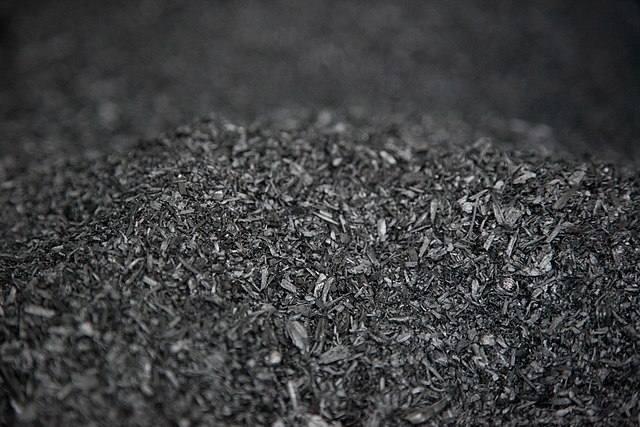
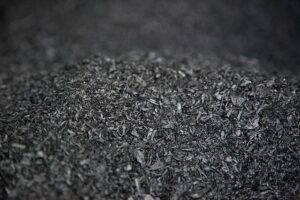
At its core, biochar is produced through the thermochemical conversion of organic materials—essentially a pyrolytic process that generates a stable, carbon-rich substance. This enchanting substance acts as both refuge and buffet for diverse microbial populations. The bespoke architecture of biochar—characterized by an abundance of voids and surfaces—provides ample real estate for bacteria, fungi, and archaea, creating an extraordinary habitat that nurtures their growth. Indeed, the relationship between biochar and soil microorganisms is akin to that of a grand library, housing ancient volumes of knowledge and secrets waiting to be discovered.
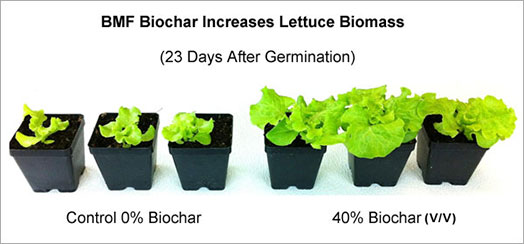
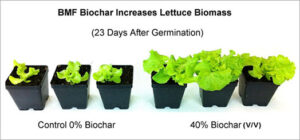
The efficacy of biochar in enhancing soil microbiology is not merely serendipitous; it arises from the compelling chemistry at play. The high surface area and porosity of biochar confer exceptional sorptive qualities, allowing it to retain nutrients and facilitate their slow release. As soil microorganisms interact with biochar, they exploit these stored resources to flourish. The equilibrated exchange empowers these microbial communities, enabling them to enhance nutrient availability, improve soil structure, and promote the biogeochemical interactions that underpin fertile lands.
Furthermore, the influence of biochar on soil microbial diversity is transformative. By acting as a physical barrier against harsh environmental conditions, it offers sanctuary against drought and excess moisture—two adversaries in the microbial world. Consequently, biochar fosters the establishment of intricate microbial networks. This burgeoning diversity enhances resilience, enabling the soil ecosystem to better withstand disturbances, be it climate-induced or anthropogenic. Here, biochar is not just a simple additive; it is a catalyst for fostering adaptive responses within the soil biome.
Microbial communities are not just passive inhabitants of biochar; they actively remodel and enhance its properties through a multitude of feedback mechanisms. As these organisms colonize biochar, they secrete exudates—an orchestra of enzymes, signaling compounds, and organic acids—that alter the biochar’s structure and chemistry. This symbiotic relationship cultivates a dynamic environment where the molecular dialogue sparks innovation in nutrient cycling, organic matter decomposition, and even greenhouse gas mitigation. In this light, biochar is akin to a polymath, facilitating a plethora of knowledge and processes that can address the myriad challenges within agroecosystems.
Despite the remarkable interactions we observe between biochar and soil microorganisms, the degree of enhancement is contingent upon several factors. Variations in feedstock material—ranging from woody biomass to agricultural residues—impart distinct qualities to the produced biochar. Consequently, the microbiological responses are also heterogeneous, shaped by the unique microbial composition of specific soil types and local environmental conditions. It’s a delicate dance, where the ineffable interplay of abiotic factors, such as pH, temperature, and moisture, orchestrates the potential of biochar to reframe soil fertility and enhance microbial performance.
Moreover, biochar’s role extends beyond mere benefactor of microbes; it can potentially optimize carbon sequestration while reducing greenhouse gas emissions from the soil. When soil microorganisms metabolize organic matter, they often release carbon dioxide—a crucial element in climate change. However, the retention of carbon within the stable structure of biochar transforms this dynamic. By sequestering carbon within its porous confines, biochar not only promotes the immobilization of nutrients but also increases the soil’s capacity to hold carbon, thereby playing a significant role in climate mitigation strategies. This alchemical reaction of turning waste into a resource epitomizes the circular economy philosophy, promoting sustainability and ecological integrity.
Despite the favorable attributes of biochar, the deployment of this carbon-rich amendment requires thoughtful consideration. The soil’s response to biochar application can vary dramatically based on its initial conditions and intended objectives. Hence, field trials and pragmatic assessments are essential for optimizing biochar use in different agroecosystems. The path forward is paved with potential; a horizon where science, agriculture, and environmental stewardship converge in harmonious convergence with innovation.
Ultimately, biochar serves not only to enhance soil microbiology but also as a formidable ally in the age of climate change and resource depletion. Through its multifaceted advantages—improving soil health, sequestering carbon, and fostering microbial resilience—it stands as a testament to what sustainable practices can achieve when we embrace the intricacies of our ecological systems. As we journey into the future of agriculture, embracing the tapestry woven by biochar and microbial interactions may hold the key to revitalizing our soils and nurturing thriving ecosystems for generations to come.