Soil health is a cornerstone of effective gardening and agriculture, and understanding its intricacies is paramount for any serious enthusiast or professional. Among the myriad methods used to enhance soil quality, biochar amendment has garnered significant attention. But how does adding biochar affect soil pH over time? What should you expect, and are there potential pitfalls? Let’s dig deep into the impacts of biochar on soil pH.
Using biochar as an amendment offers a multifaceted approach to soil enhancement. This carbon-rich product, which is produced through the pyrolysis of organic materials, not only improves soil structure but also contributes to its nutrient retention. One of the most crucial aspects of soil health that biochar influences is pH level. But what exactly happens to soil pH after you mix in biochar?
Initially, the pH of biochar can vary greatly, depending on its source material and production method. Most commonly, biochar tends to be alkaline, which means that its introduction to acidic soils can result in a rise in pH. However, this raises an interesting question: Is it possible to inadvertently raise soil pH too much? The answer lies in careful management and monitoring.
Upon application of biochar, a few immediate reactions occur. The alkaline nature of biochar can neutralize acidity, especially in soils with a naturally low pH. Over time, you may observe a gradual adjustment in soil pH as the biochar stabilizes. Expect an initial spike in pH shortly after application, but it won’t remain constant. The pH can settle into a new equilibrium influenced by biotic and abiotic factors over the months following the amendment.
The timeline for adjustments is not uniform. Intense rainfall, microbial activity, and the overall biomass of your soil will alter the rate at which pH levels change. Favorable conditions may lead to a more rapid stabilization, while adverse conditions could prolong the process. Thus, patience combined with diligent observation is a vital part of the gardening journey.
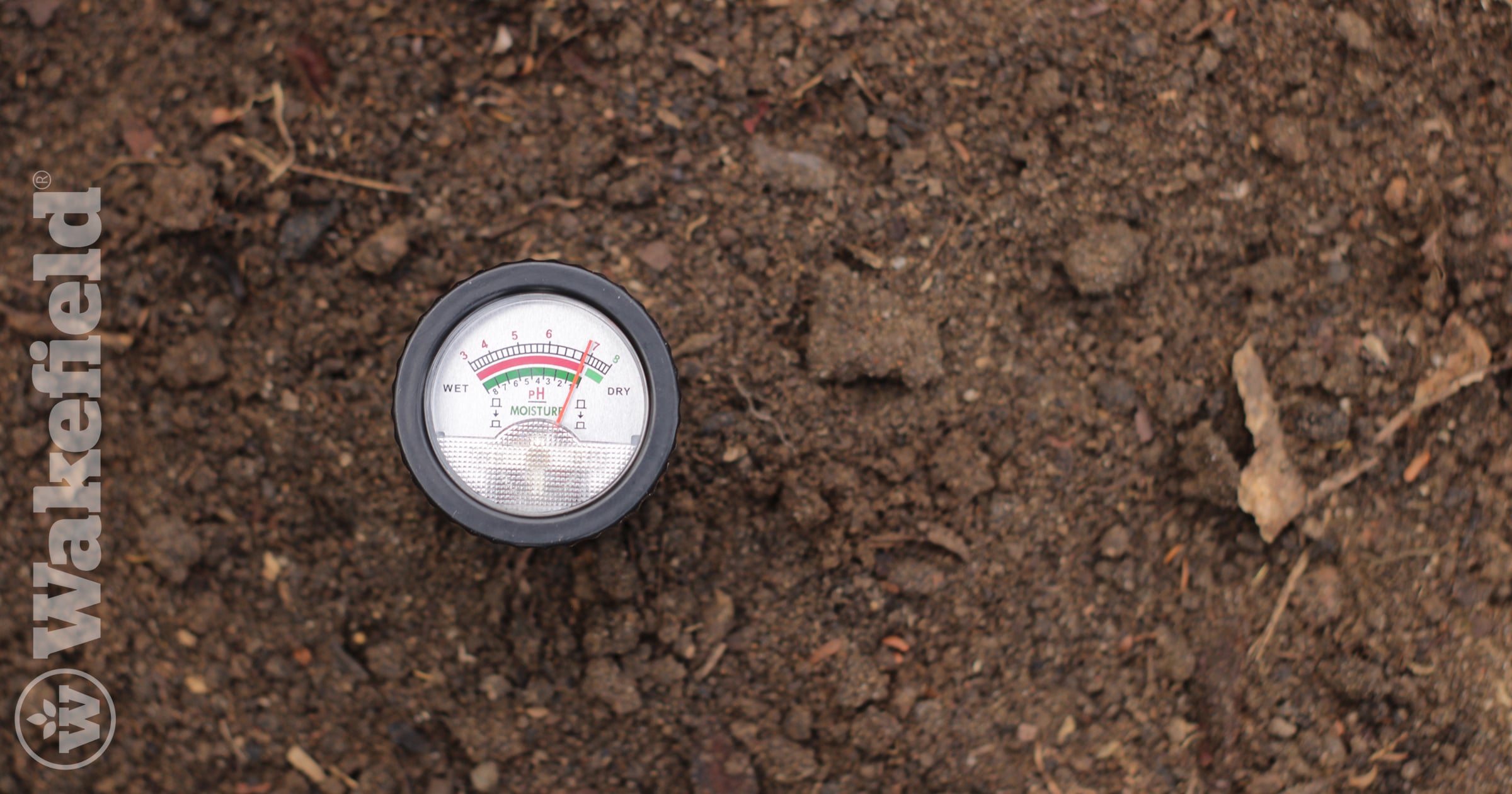
Monitoring soil pH regularly is crucial, not only to understand how biochar is altering the soil environment but also to prevent potential nutrient lockout. When the pH rises too high, it may become too basic for certain nutrients to be available to plant roots. This can lead to deficiencies that manifest in poor plant health. So, as you sprinkle biochar into your soil, remember that just like baking a cake, a delicate balance of ingredients and timing results in success.
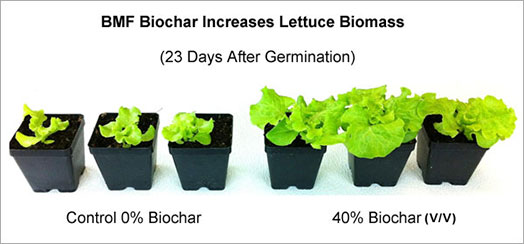
Over a longer timeframe, the benefits of biochar in stabilizing soil pH truly become apparent. Healthy microbial populations thrive in environments where pH is balanced, which further contributes to nutrient cycling and organic matter decomposition. This symbiotic relationship enhances soil fertility, ultimately promoting robust plant growth. However, one must remain vigilant; should any one factor shift dramatically, such as a significant change in weather patterns, the resulting effects on soil chemistry could be considerable.
Moreover, as the biochar continues to integrate into the existing soil matrix, it can also alter the cation exchange capacity (CEC). This is another crucial aspect to consider, as improved nutrient absorption aligns with pH levels, providing a synergistic effect on plant health. As soil structure improves, not only do you give roots a more hospitable environment, but the balance of nutrients and moisture retention enhances overall resilience to external stressors, such as drought or disease.
While biochar offers numerous benefits, not all biochar is created equal. Variability among production methods, feedstock, and activation processes results in differing chemistries. The pH of some biochars may be lower or higher than what is typical, which can skew your expectations. It’s advisable to conduct pH tests on your specific biochar before application, ensuring that your amendment aligns with your soil health goals.
Are you ready for the challenge? Incorporating biochar into your soil management strategy may require some adjustment as you learn to interpret the changes in pH and other soil dynamics. This invites a deeper understanding of your garden’s ecosystem and encourages a more hands-on approach to soil health. Best practices involve not just one application but also reflective practices that promote continuous assessment and adaptation.
In conclusion, biochar amendment presents an exciting potential to enhance soil pH and overall fertility. The initial rise in pH, followed by a gradual adjustment, sets the stage for an enriching journey into gardening. However, the path isn’t without its challenges. Observing and responding to the unique characteristics of your soil, combined with the nature of the biochar you use, can make all the difference. Embrace this venture into soil health with an informed and playful spirit; after all, gardening is as much about the journey as it is about the destination.