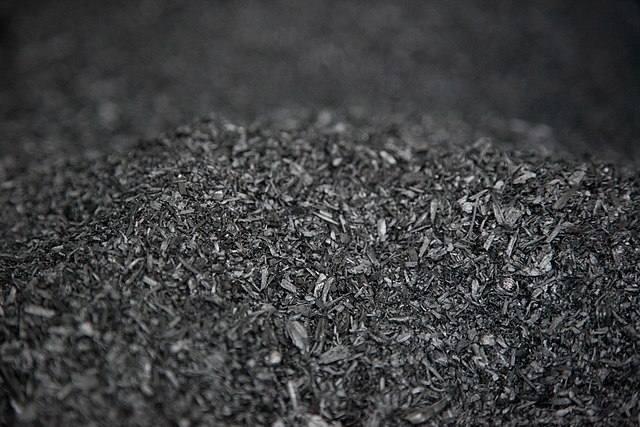
Biochar, a carbon-rich material produced through the pyrolysis of organic substances, has gained significant attention in agricultural and environmental arenas. At the heart of biochar’s utility lie two critical properties: surface area and porosity. These characteristics are often overlooked by the casual observer, yet they serve pivotal roles in dictating the efficacy of biochar as a soil amendment, carbon sequestration agent, and pollution mitigator. This article delves into the importance of surface area and porosity in biochar, addressing common misconceptions while hinting at the deeper intricacies that make these properties so fundamentally transformative.
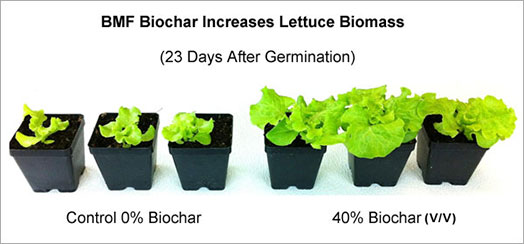
To truly appreciate the significance of surface area in biochar, one must first understand its implications. Biochar can possess an astonishingly high specific surface area that can range from a few hundred to thousands of square meters per gram, contingent upon the feedstock and pyrolysis parameters employed. This expansive surface area facilitates a plethora of interactions with soil components, microbial communities, and nutrient molecules. The microscopic pores serve as anchorage points for nutrients and pollutants, enabling biochar to act as a reservoir for important elements like nitrogen, phosphate, and potassium. In regions experiencing nutrient-poor conditions, this property can dramatically enhance soil fertility, thereby improving crop yields.
Moreover, the relationship between surface area and biochar’s adsorption capacity cannot be overlooked. The intricate network of pores enables biochar to adsorb a multitude of organic compounds, including pesticides, heavy metals, and even pathogens. This capacity not only mitigates the leaching of these detrimental substances into groundwater but also enhances their availability to plants over time. In essence, biochar serves a dual purpose: it cleanses the soil while simultaneously enriching it, making it a pivotal player in sustainable agriculture.
Porosity, closely tied to surface area, further amplifies biochar’s value. Pores within the biochar structure vary in size, ranging from macropores to micropores, and each type serves distinct functions. Macropores (with diameters larger than 50 nanometers) provide structural stability and aeration, which are pivotal for healthy root development. Conversely, micropores (less than 2 nanometers) significantly enhance water retention. This heterogeneous distribution of pore sizes results in a sponge-like material that can retain water while ensuring adequate drainage, reducing the frequency of irrigation required and fostering resilience against drought conditions. The synergistic effect of biochar’s porosity creates a microhabitat conducive to the flourishing of beneficial soil microorganisms, thus promoting a healthier soil biome.
In the context of carbon sequestration, both surface area and porosity play indispensable roles. When biochar is incorporated into the soil, its structure is resistant to decomposition, allowing carbon to be locked away for extended periods—often centuries. This durability stems from the chemical structure of the carbon within biochar, which is less reactive than that of typical organic matter. The extensive surface area acts as a ‘safe haven’ for carbon, preventing its release into the atmosphere as carbon dioxide, thus combating climate change. Each fraction of surface area contributes to the long-term storage of carbon, offering farmers a sustainable solution for greenhouse gas mitigation.
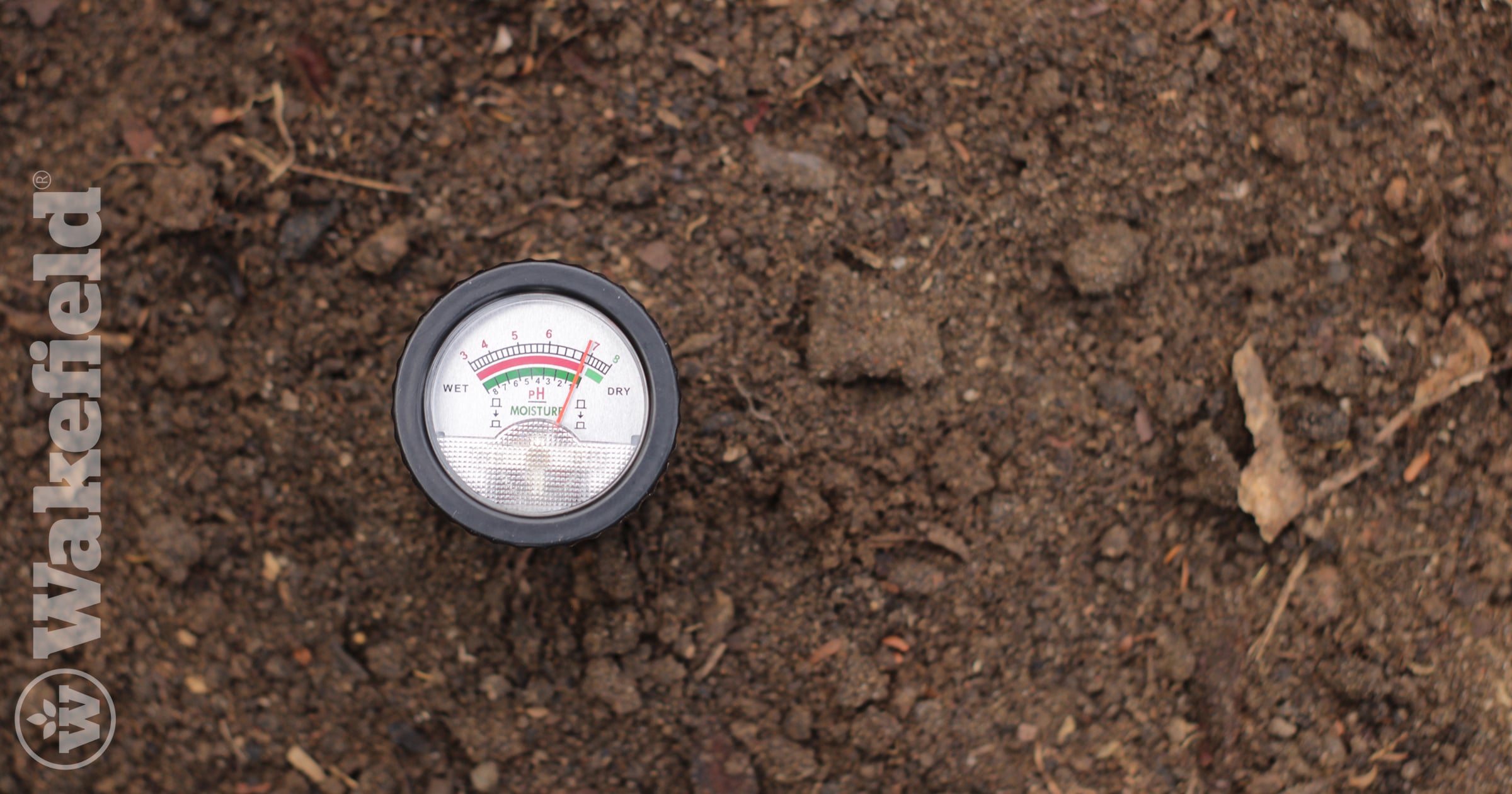
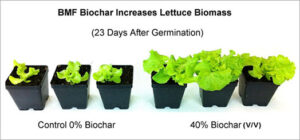
The curious interplay between surface area, porosity, and biochar’s physicochemical properties elevates this material above conventional soil amendments. Its ability to affect pH levels, nutrient cycling, and microbial activity unveils a fascinating tapestry of interactions that occur within the soil ecosystem. Biochar’s alkaline nature can significantly raise the pH of acidic soils, creating a more hospitable environment for crop cultivation. This property not only aids in nutrient availability but also enhances root growth, further tying the role of biochar to agricultural prosperity.
It is also worth noting that the myriad of feedstocks used to produce biochar leads to variability in surface area and porosity profiles. Different biomass sources, such as agricultural residues, forestry waste, and municipal organic matter, yield biochars with unique properties. This diversity offers tailored solutions depending on specific soil conditions and agricultural needs, allowing for customized biochar applications that can address particular soil deficiencies or improve specific crop outcomes. Therefore, understanding the relationship between feedstock selection and the resultant surface area and porosity becomes paramount for stakeholders engaged in biochar production.
Despite the numerous advantages associated with high surface area and porosity in biochar, challenges remain in terms of its adoption and use. Traditional agricultural practices may be resistant to integrating biochar into soil management. Education and outreach efforts are vital to conveying the benefits of these properties, highlighting the sustainable practices that biochar facilitates, and countering skepticism surrounding new agricultural technologies. Moreover, further research is necessary to optimize production techniques and elucidate the dynamics of biochar interactions with various soil types and climatic conditions.
Surface area and porosity in biochar are more than mere metrics; they are the cornerstones of its functionality and efficacy. These properties shape biochar’s role as a versatile tool for improving soil health, sequestering carbon, and facilitating sustainable agriculture. As we move forward in a world increasingly challenged by climate change and food insecurity, the examination of such intrinsic attributes becomes essential. This perspective not only enhances our understanding of biochar but also opens pathways toward innovative solutions to pressing environmental issues. By recognizing the importance of surface area and porosity, we can harness the full potential of biochar and contribute to healthier ecosystems.