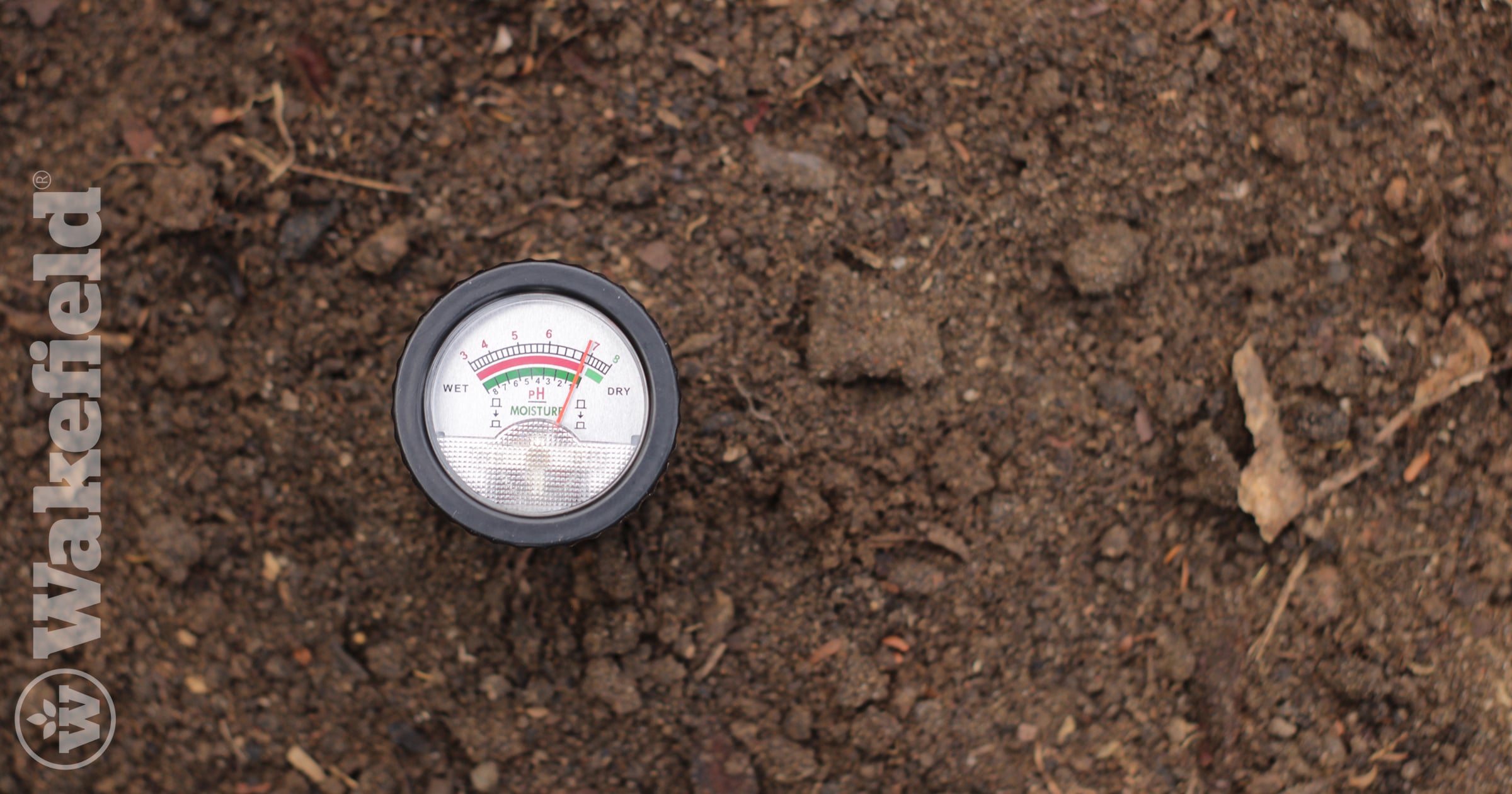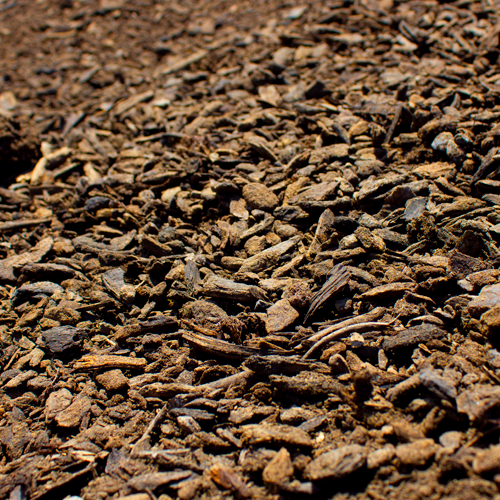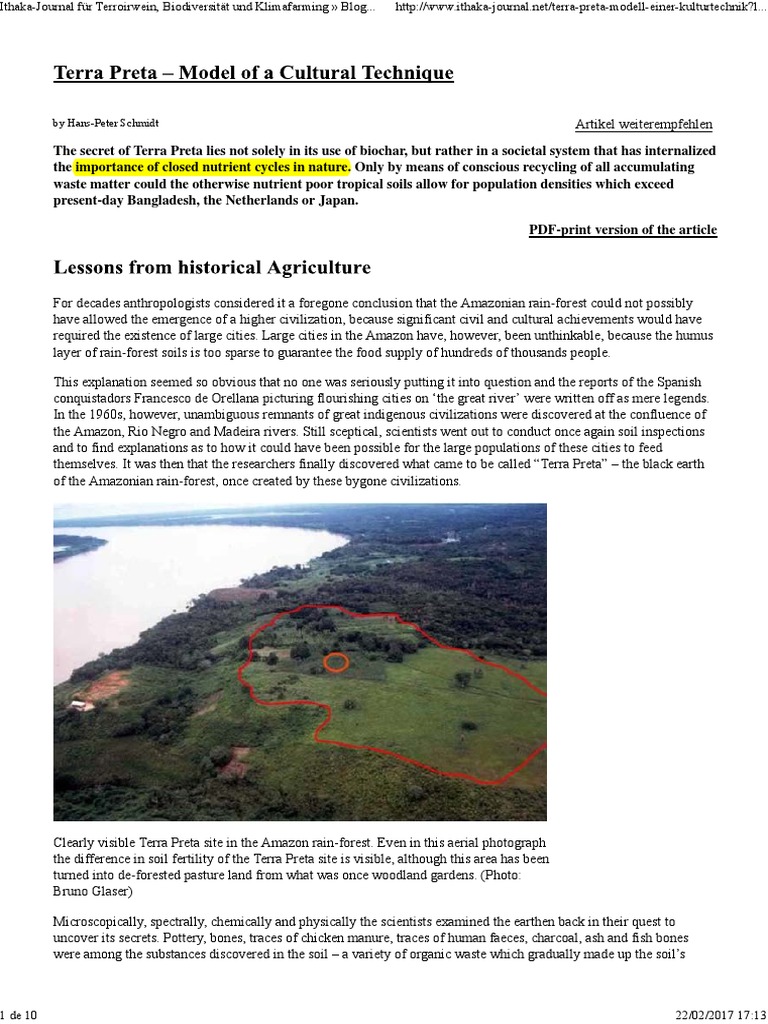
Terra Preta, often translated as “black earth,” is a remarkable form of anthropogenic soil found in the Amazon Basin, primarily associated with ancient indigenous civilizations. This fertile soil, enriched with charcoal, bone, and organic matter, exemplifies the ingenuity of past cultures in their sustainable agricultural practices. The profound ecological and cultural implications of Terra Preta offer invaluable insights, revealing lessons that remain relevant in contemporary discussions on sustainability and environmental stewardship.
Imagine a landscape, once devoid of life and nutrients, transformed into a lush zone of productivity. This metamorphosis is not accidental; it’s the result of deliberate human activity. The creation of Terra Preta exemplifies the mastery of our ancestors in manipulating natural resources to cultivate a flourishing ecosystem. What can modern society learn from these ancient practices, and how might they inform our agricultural techniques today?
One essential lesson drawn from Terra Preta is the importance of soil health. Far too often, modern agricultural practices tend to prioritize short-term yields over long-term sustainability. The Amazonian forebears, however, recognized that the foundation of successful agriculture rested upon nurturing the soil rather than merely extracting nutrients. They incorporated a variety of organic materials, effectively creating a rich, biodiverse substrate that supported both plant and microbial life. The holistic approach they utilized fosters a greater understanding of the interconnectedness of ecosystems, prompting us to reconsider our current methods of soil management.
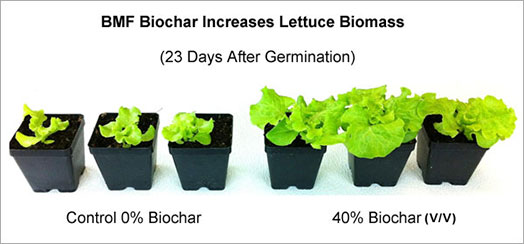
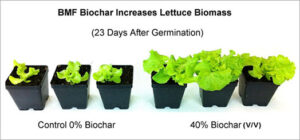
Another striking aspect of Terra Preta is its evidence of resource recycling. These ancient farmers implemented a circular economy, turning waste into assets. Charcoal, for instance, not only improves soil structure but also sequesters carbon, a critical feature in combating climate change. The integration of organic waste—such as kitchen remnants, agricultural byproducts, and even human waste—into the soil is a powerful reminder of the potential hidden within what is often regarded as refuse. By re-evaluating our treatment of organic waste through the lens of Terra Preta, we can forge pathways toward sustainable urban agriculture and composting strategies that enhance soil vitality.
Moreover, the creation of Terra Preta was not merely an act of agriculture; it was a cultural practice deeply intertwined with the identities of the communities that cultivated it. The revered techniques passed down through generations reflect a profound understanding of nature and humanity’s place within it. In modern times, re-establishing a similar relationship with the land is vital. As communities grapple with issues ranging from declining biodiversity to food insecurity, fostering a cultural appreciation for sustainable practices can elevate the status of responsible land stewardship. Terra Preta serves as a powerful symbol of resilience, provoking us to view agriculture not just as a mechanism for subsistence but as a critical facet of cultural heritage.
Curiously, the very notion of Terra Preta compels a re-evaluation of our relationship with carbon. Often painted as an adversary in discussions surrounding climate change, carbon should instead be recognized as an essential element in our environments when managed prudently. The charcoal utilized in Terra Preta, produced through pyrolysis, exemplifies a method of carbon capture that can enhance soil health while simultaneously addressing concerns surrounding atmospheric carbon levels. This paradigm shift, advocating for carbon as a valuable commodity when effectively utilized, encourages a broader conversation about climate solutions derived from historical wisdom.
Beyond soil health and carbon management, Terra Preta offers lessons in biodiversity. The ancient cultivators of the Amazon recognized the importance of cultivating a diverse array of crops, interspersing different species to create a resilient ecosystem. This polyculture approach not only optimized food production but also diminished vulnerability to pests and diseases. The modern monoculture practices prevalent in industrial agriculture starkly contrast this philosophy, frequently resulting in soil degradation, increased reliance on chemical inputs, and diminished food sovereignty. By revisiting the polyculture strategies championed by our ancestors, today’s agricultural practices can become enriched and diversified, fostering resilience within ecosystems.
Furthermore, understanding the intricacies of Terra Preta invites a critical reflection on the role of technology in agriculture. While contemporary farming methods harness sophisticated machinery and synthetic fertilizers, the ancestral techniques employed in the creation of Terra Preta remind us of the significance of low-tech solutions. This isn’t a call to dismiss innovation; instead, it encourages a synthesis of ancient wisdom with modern advancements, underscoring the potential for blending traditional practices with contemporary technology to cultivate sustainable agricultural systems.
Ultimately, the story of Terra Preta is one of profound collaboration—between humans and the earth, between culture and environment. As an emblem of sustainable agricultural practices, it captures the imagination and provokes curiosity about the forgotten wisdom of our ancestors. Each layer of this black earth tells a story of resilience, adaptability, and stewardship that transcends time. This ancient practice invites us to reflect on our approach to modern agriculture, urging a shift in perspective that prioritizes ecological balance, cultural heritage, and an unwavering commitment to the land.
In conclusion, the legacy of Terra Preta extends far beyond its geographical roots. It serves as a potent reminder of the benefits derived from understanding and honoring the intricate relationships among soil, culture, and sustainability. As we strive to navigate the complexities of modern agriculture, the lessons of Terra Preta stand as a guidepost, charting a course toward a more equitable and environmentally conscious future.