Terra Preta, often referred to as “black earth,” is an exceptional form of soil that has captivated researchers and environmentalists alike. This ancient soil, primarily found in the Amazon Basin, is distinguished by its rich composition and vibrant ecosystem. Understanding what Terra Preta is and its composition opens the door to revelations about sustainable agriculture and historical land management practices. Here, we’ll delve into the captivating world of Terra Preta, exploring its origins, what constitutes this rich soil, its unique properties, and its significance in modern contexts.
1. Origins: A Glimpse into the Past
Terra Preta is believed to have originated over 2,500 years ago, crafted by indigenous populations through the intentional addition of charcoal, organic materials, and nutrients into the otherwise nutrient-poor soils of the Amazon. The term itself translates to “black earth” in Portuguese, reflecting its striking dark color, a result of its high carbon content. Unlike the natural soils typical of the Amazon, which often suffer from leaching and subsequent nutrient deficiency, Terra Preta stands out as a marvel of ancient agronomy.
This remarkable soil was developed through a combination of agricultural practices, waste management, and environmentally friendly materials. These indigenous people utilized materials such as bone, fish, and human waste to enrich the soil. The process illustrates an ancient understanding of soil fertility and crop production that is still relevant today.
2. Composition: The Elements of Terra Preta
The composition of Terra Preta is a striking combination of organic and inorganic materials. It typically contains a mixture of:
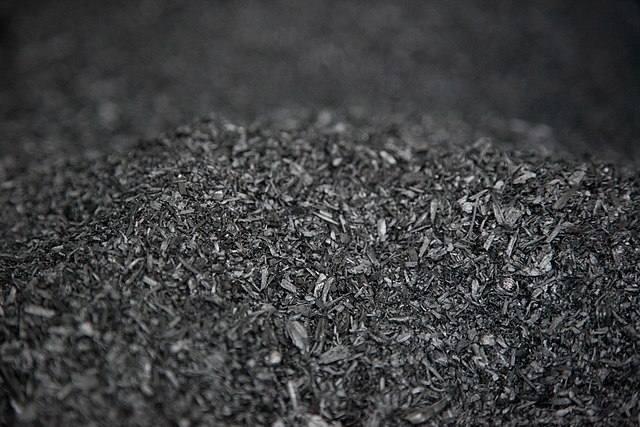
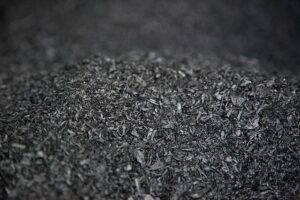
- Charcoal: Also known as biochar, this essential component is created through pyrolysis, which is the thermal decomposition of organic material in the absence of oxygen. Charcoal not only enriches the soil with carbon but also improves soil structure and nutrient retention.
- Organic Matter: Decomposed plant materials, animal manure, and other organic amendments contribute to the soil’s fertility. The humification process transforms these materials into humus, enhancing the soil’s ability to retain moisture and provide essential nutrients to plants.
- Nutrients: Terra Preta is replete with nutrients such as nitrogen, phosphorus, and potassium — vital elements for plant growth. Fertility is further enhanced by the presence of micronutrients, often lacking in other soil types.
- Minerals: Clay minerals, especially kaolinite, contribute to the physical and chemical properties of Terra Preta, facilitating cation exchange and improving water retention capabilities.
These elements interact synergistically, creating a unique ecosystem that fosters biodiversity and encourages healthy plant growth. This intricate composition has significant implications for agriculture and environmental science.
3. Unique Properties: What Sets Terra Preta Apart
Terra Preta possesses several extraordinary characteristics that differentiate it from conventional soils:
- High Carbon Content: With a substantial carbon reservoir, Terra Preta plays a role in carbon sequestration, which is crucial in mitigating climate change. This feature highlights the role of traditional land management practices in promoting environmental sustainability.
- Enhanced Fertility: Farmers have long recognized the productivity of Terra Preta. Crops grown in this soil yield significantly higher outputs compared to crops in nutrient-depleted soils. This extraordinary fertility is a testament to its rich organic and nutrient content.
- Water Retention: The structure of Terra Preta allows it to hold water more efficiently, reducing the frequency of irrigation. In regions affected by fluctuating weather patterns, this attribute is particularly beneficial for successful crop cultivation.
- Biodiversity: The vibrant ecosystem sustained by Terra Preta supports a variety of organisms, from microbial life to larger fauna. This biodiverse environment contributes to soil health and resilience against pests and diseases.
4. Modern Applications: Lessons from the Ancients
In the quest for sustainable agricultural practices, modern science is increasingly looking to Terra Preta for inspiration. Its unique properties offer valuable insights into soil management techniques that could mitigate the contemporary challenges faced by global agriculture:
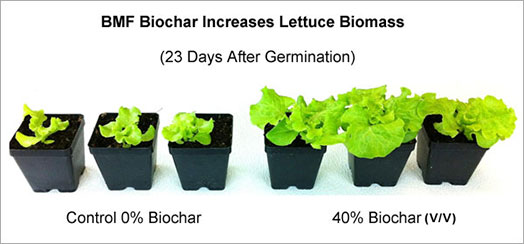
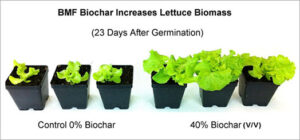
- Soil Amendments: Incorporating biochar and organic materials into soil can emulate the rich characteristics of Terra Preta, promoting sustainability and increasing crop yields.
- Carbon Farming: The principles underpinning the creation of Terra Preta can inform modern practices aimed at sequestering carbon, contributing to efforts against climate change.
- Waste Recycling: Understanding how indigenous populations utilized organic waste to enhance soil fertility can inspire modern composting and waste recycling projects, fostering a circular approach to resource management.
- Crop Diversity: Emulating the mixed-crop systems traditionally practiced by indigenous peoples can enhance biodiversity and reduce vulnerability to pests, ensuring food security in a changing climate.
5. Terra Preta’s Future: Challenges and Prospects
The future of Terra Preta is at a crossroads, facing both challenges and opportunities. Conservation efforts must be prioritized to protect these ancient soils from degradation and exploitation. Additionally, further research is essential to understand the full potential of Terra Preta in modern agriculture. The integration of traditional practices with contemporary scientific advancements may lead to innovative solutions for sustainable soil management.
In conclusion, Terra Preta represents much more than a mere curiosity of ancient agricultural practices; it is a testament to the ingenuity of indigenous cultures and their profound understanding of land stewardship. What lies within this particularly unique soil—its rich composition, exceptional properties, and modern implications—holds the promise for future agricultural sustainability. Embracing the lessons gleaned from Terra Preta could indeed pave the way toward a more resilient and ecological approach to farming that nurtures our planet for generations to come.