Biochar has emerged as a pivotal element in sustainable agriculture and environmental management. As our planet grapples with climate change and soil degradation, the fascination with biochar production, its varied uses, and formidable benefits has burgeoned. This comprehensive guide offers an in-depth overview of biochar, focusing on its production methods, applications, and myriad advantages. Welcome to the A-to-Z of Biochar.
A – A Brief History of Biochar
The concept of biochar is not novel; it traces its roots back to prehistoric Amazonian civilizations. They utilized a form of charcoal, known as Terra Preta, to enhance soil fertility. Modern interest in biochar has surged as we seek sustainable solutions to contemporary agricultural and environmental challenges.
B – Biochar Production
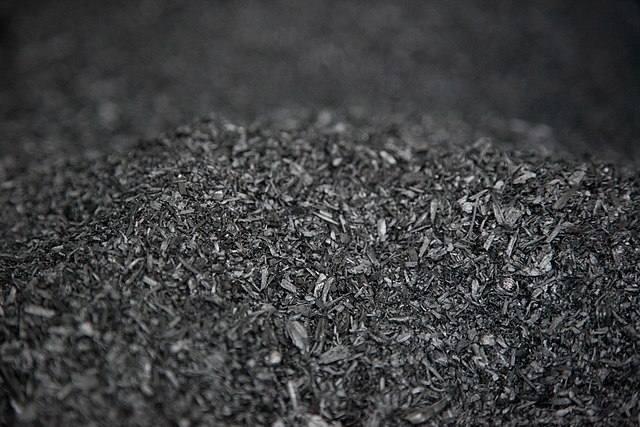
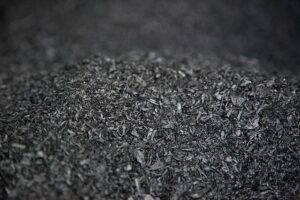
The production of biochar involves the pyrolysis of organic materials in a low-oxygen environment, resulting in a stable carbon-rich product. This process not only sequesters carbon but also transforms waste biomass into a valuable resource.
C – Characteristics of Biochar
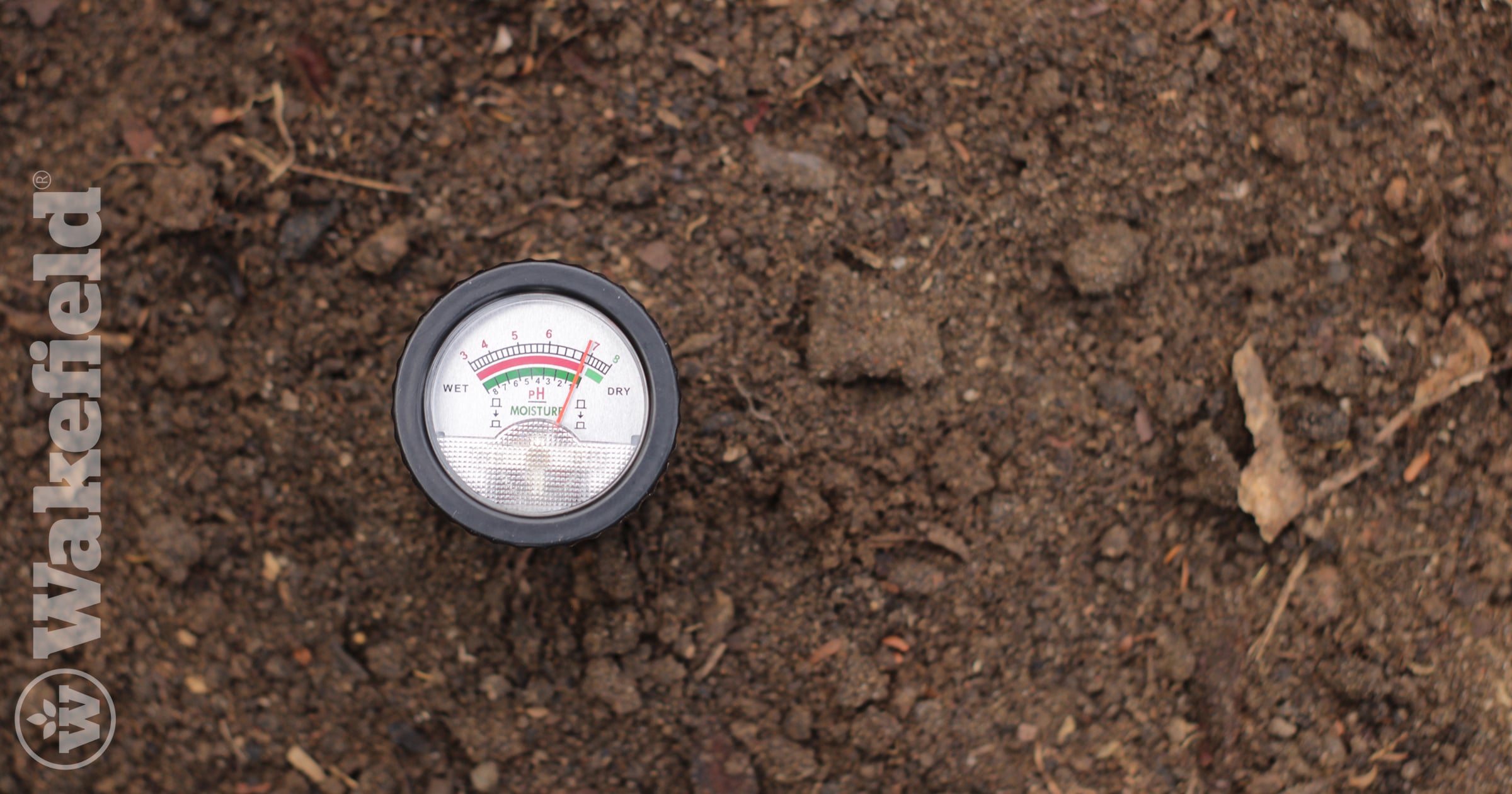
Biochar is distinguished by its high surface area and porous structure. These characteristics contribute to its ability to hold water and nutrients, effectively enhancing soil health and fertility. Additionally, its pH can vary, typically ranging from neutral to slightly alkaline, making it suitable for various soil types.
D – Different Feedstocks
A multitude of organic materials can serve as feedstocks for biochar production, including agricultural residues, forestry by-products, and even municipal waste. The choice of feedstock influences the biochar’s properties, such as nitrogen retention and nutrient availability, thus tailoring it for specific agricultural needs.
E – Environmental Impact
Biochar plays a significant role in mitigating climate change by sequestering carbon in the soil for hundreds to thousands of years. Its application reduces greenhouse gas emissions from soils, particularly nitrous oxide, while improving soil structure, enhancing biodiversity, and promoting nutrient cycling.
F – Fertility Booster
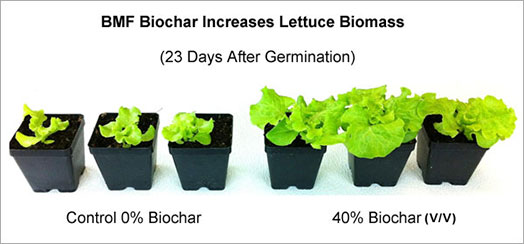
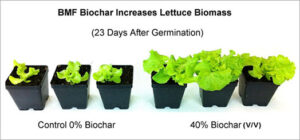
One of the most significant advantages of biochar is its ability to enhance soil fertility. By improving nutrient retention, biochar can boost crop yields and reduce the need for chemical fertilizers. This not only benefits farmers’ bottom lines but also contributes to more eco-friendly agricultural practices.
G – Greenhouse Gas Reduction
Biochar application has been demonstrated to reduce emissions of greenhouse gases, particularly methane and nitrous oxide. When added to the soil, biochar alters the microbial dynamics, encouraging beneficial microorganisms while inhibiting harmful ones. This dual action is vital for sustainable land management.
H – Habitat for Microorganisms
The porous nature of biochar provides an ideal habitat for diverse soil microorganisms. This biodiversity fosters healthier soils and leads to improved plant health. The enhanced microbial communities facilitate nutrient cycling, vital for robust crop growth.
I – Innovative Uses Beyond Agriculture
Furthermore, the applications of biochar extend beyond agriculture. It serves as a filtration medium for wastewater treatment, a carbon capture solution, and even a building material in certain construction applications. The versatility of biochar makes it a valuable asset across various industries.
J – Job Creation in Biochar Production
The biochar industry holds significant potential for job creation, from the harvesting of feedstocks to production and application. As more regions adopt biochar practices, the economic opportunities will expand, supporting local economies while fostering sustainable development.
K – Knowledge Gaps and Research Needs
Despite the promise of biochar, there remain knowledge gaps and areas requiring further research. Understanding the long-term effects of biochar application in diverse ecosystems is crucial. Enhanced research can propel innovations in production techniques and broaden biochar’s applicability.
L – Local Initiatives and Community Engagement
Many communities are now adopting biochar projects to address local agricultural challenges and waste management issues. These initiatives not only foster community engagement but also contribute to a larger movement toward regenerative practices that prioritize sustainability and resilience.
M – Measuring Biochar’s Effectiveness
Measuring the effectiveness of biochar in promoting soil health and crop productivity requires rigorous research and field trials. Variables such as soil type, climate, and crop selection play essential roles in determining biochar’s efficacy, necessitating a tailored approach to its application.
N – Nutrient Interactions
Biochar does not work in isolation. Its interactions with soil nutrients are complex and highly dependent on various factors. Calcium, potassium, and magnesium availability may be influenced by biochar application, necessitating further study to optimize its use in conjunction with fertilizers.
O – Organic Farming and Biochar
For organic farmers, biochar presents a natural amendment that aligns with sustainable practices. Its ability to improve soil health without relying on synthetic chemicals makes it an attractive option within the organic farming community, bolstering both crop yields and ecological integrity.
P – Policy and Regulatory Frameworks
Supportive policies are essential to accelerate biochar adoption, ensuring that production methods align with environmental regulations. As governments increasingly recognize the benefits of biochar, the establishment of comprehensive regulatory frameworks will be vital for its widespread utilization.
Q – Quantifying Benefits
Quantifying the benefits of biochar is paramount for incentivizing its use. Utilizing metrics such as increased crop yields, reduced fertilizer requirements, and estimated carbon sequestration potential will underscore the economic and environmental advantages of incorporating biochar into agricultural systems.
R – Risks and Considerations
While biochar holds promise, there are risks and considerations to bear in mind. The production process can emit pollutants if not managed carefully, and improper application can lead to nutrient imbalances in the soil. Awareness and regulatory oversight are crucial to mitigate these risks.
S – Soil Restoration Potential
Biochar is increasingly recognized for its potential in restoring degraded soils. Its capacity to improve soil structure, enhance moisture retention, and stimulate microbial activity makes it a transformative tool in remediation efforts across compromised landscapes.
T – Technological Innovations
Advancements in technology are driving improvements in biochar production. From mobile pyrolysis units to state-of-the-art gasification methods, innovation is paving the way for more efficient production while reducing the carbon footprint of the manufacturing process.
U – Utilizing Biochar in Urban Environments
Urban agriculture can significantly benefit from biochar application. Rooftop gardens and community green spaces can leverage biochar for enhanced soil health, helping cities become more sustainable and resilient in the face of climate change.
V – Value Chain of Biochar
Establishing a comprehensive value chain for biochar—from production to application—is essential for maximizing its benefits. Engaging stakeholders from farmers to policymakers ensures that biochar becomes integrated into agricultural practices on a larger scale.
W – Waste Management and Biochar
Using biochar in waste management presents an innovative solution to the challenge of organic waste disposal. By converting agricultural and forestry residues into biochar, communities can address waste issues while reaping the benefits of improved soil health.
X – Xenobiotic Residue Interactions
Biochar can also modify the bioavailability of toxic compounds and xenobiotics in agricultural soils. Its adsorption capacity can mitigate the impact of contaminants, thus aiding in the restoration of polluted lands and improving overall soil quality.
Y – Yield Improvements
Farmers who have utilized biochar often report significant yield improvements. Research indicates that strategic application can lead to higher crop production, reduced irrigation needs, and enhanced resilience against pests and diseases, making it a prudent investment for sustainable agriculture.
Z – Zeal for the Future
The potential of biochar is vast and still largely untapped. As more individuals and communities embrace its production and application, the zeal for this eco-friendly solution will undoubtedly cultivate a more sustainable, resilient future for agriculture and the environment alike.
In conclusion, biochar stands at the intersection of innovation, sustainability, and environmental health. Its myriad benefits, coupled with expanding applications, point to a future where this remarkable material plays an integral role in sustainable agricultural practices and ecological restoration efforts worldwide.