When one thinks of biochar, a multitude of positive attributes springs to mind: sustainable agriculture, carbon sequestration, and improved soil health are just the tip of the iceberg. But what is the darker underbelly of this seemingly magical substance? Are there challenges lurking within the promising facade of biochar? Let’s dive into some of the less-discussed complexities surrounding biochar production and use.
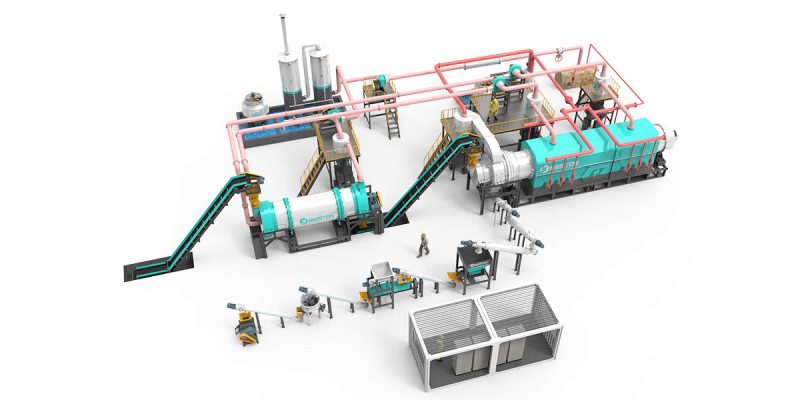
First, let’s consider the production of biochar itself. This process often involves pyrolysis, a thermal decomposition of organic material in the absence of oxygen. While it sounds simple, the intricacies of this method can introduce unforeseen challenges. Have you ever pondered the potential for pollutant release during pyrolysis? Depending on the feedstock and operational parameters, the production process can emit volatile organic compounds (VOCs) and hazardous air pollutants. This poses significant environmental risks and necessitates stringent regulations to mitigate adverse impacts on air quality.
Next, we should reflect on the feedstock selection. While many believe that any organic material can be transformed into biochar, the truth is much more nuanced. Some feedstocks may contain heavy metals or other contaminants that get embedded in the biochar product. Imagine using biochar produced from treated wood in your garden, unaware of the latent toxins it harbors. This silent hazard can seep into the soil and eventually into the plants, potentially harming the entire ecosystem. Therefore, rigorous testing and source verification of feedstocks are paramount.
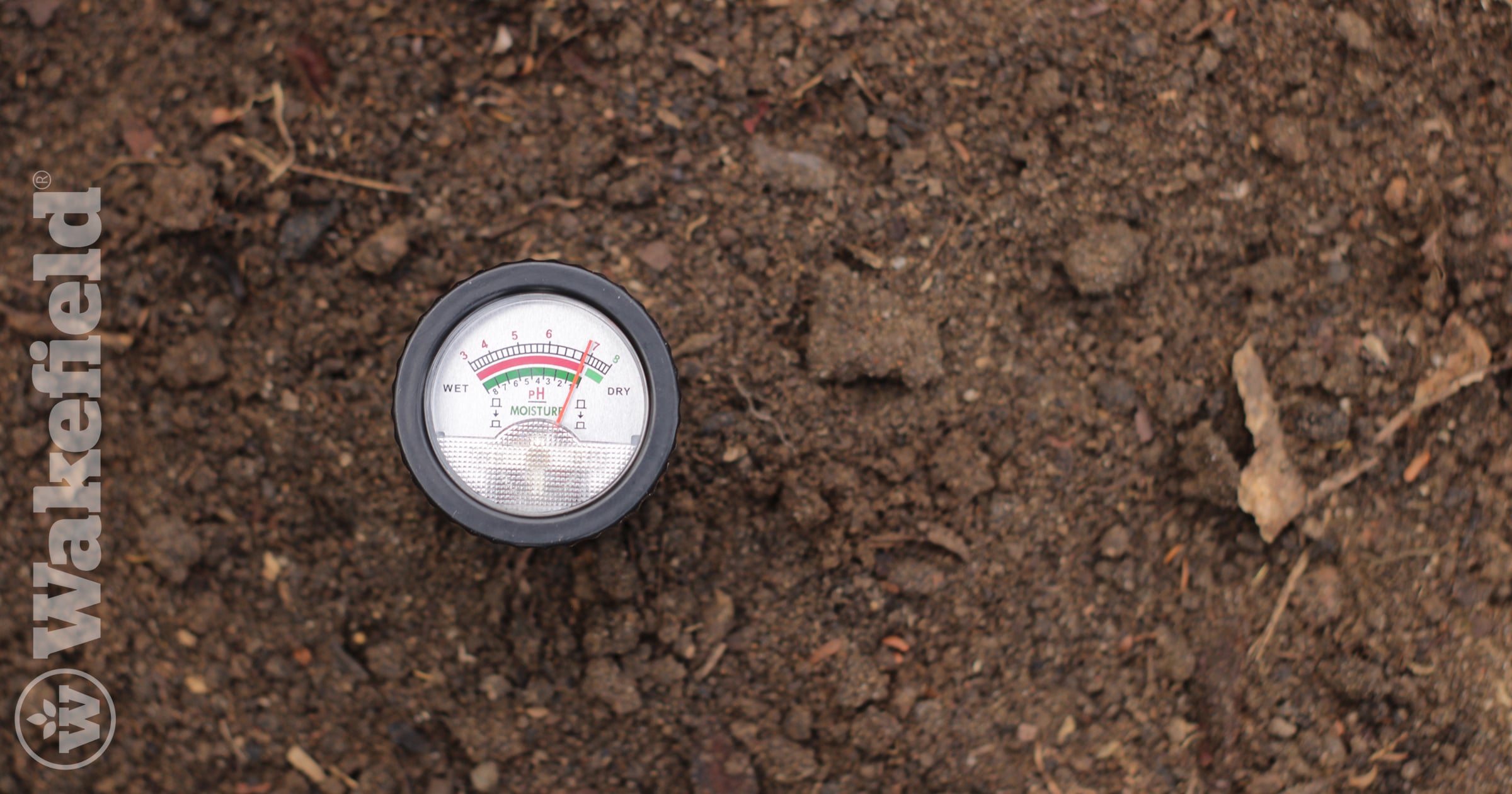
The variability of biochar properties is another conundrum. The type of biomass used for biochar production fundamentally affects its chemical and physical characteristics. Each feedstock bestows unique traits upon the resultant biochar, from pH levels to nutrient content, which can influence its effectiveness in soil amendment. This leads to a critical question: how can farmers or gardeners ascertain the right biochar for their specific needs? Without standardized quality testing, users might find themselves with a product that doesn’t deliver the anticipated benefits. A painstaking process of experimentation and research may ensue, potentially diminishing biochar’s appeal as an easy, universally beneficial amendment.
Moreover, integrating biochar into established agricultural practices is fraught with challenges. For farmers accustomed to conventional fertilization methods, the introduction of biochar may require a paradigm shift in their approach to soil management. This integration is not merely a matter of mixing in a new product but involves rethinking the entire soil health and nutrient cycle. The question arises: are farmers willing to embrace this transition when the short-term benefits may not be immediately apparent? Resistance to change coupled with the upfront costs associated with purchasing biochar can create significant barriers.
Then, let us not overlook the challenge of scalability. While biochar production has garnered attention for its potential, scaling production to meet widespread agricultural needs poses its own set of dilemmas. Current production methods may not be efficient or affordable enough for large-scale deployment. Do we have the infrastructure in place to support a biochar economy? Without the necessary investment in technology and facilities, biochar remains an untapped resource for many would-be beneficiaries.
Furthermore, the long-term impacts of biochar application in varying climatic conditions remain poorly understood. While some studies extoll its virtues in one environment, those results may not hold true in another. Climate variability, soil type, and ecology play significant roles in how biochar interacts with the environment. As climate change continues to pose unpredictability in weather patterns, reliance on biochar may yield inconsistent results, leaving farmers disillusioned if the anticipated improvements in crop yield and soil health do not materialize.
Lastly, there lies a socio-economic dimension that cannot be ignored. The commercialization of biochar has led to a burgeoning industry, yet there are concerns about equity and access. Who currently benefits from biochar technology? Are smallholder farmers being left behind? A disparity exists between large-scale operations that can afford biochar systems and those small farmers for whom the investment may be beyond reach. This raises vital ethical considerations—how can we ensure equitable access to such a promising tool in combating climate change while promoting sustainable agriculture?
In conclusion, while biochar presents a compelling solution for myriad environmental issues, it is critical to approach its promotion with a discerning eye. The hidden challenges surrounding biochar’s production, properties, integration into agricultural practices, scalability, climatic impacts, and socio-economic ramifications require thoughtful consideration. Are we prepared to address these complexities, or will the allure of biochar remain just that—an alluring concept fraught with unacknowledged hurdles? As we continue to explore the multifaceted world of biochar, understanding its dark side may be the key to unlocking its full potential.