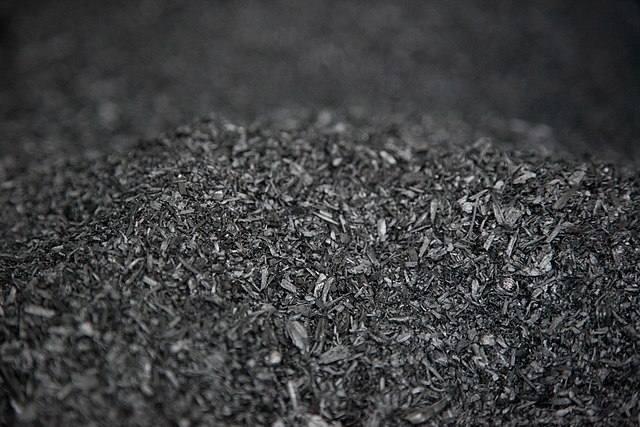
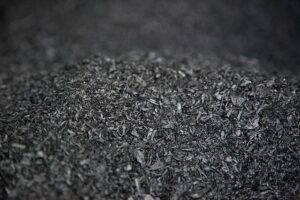
Biochar, a charred organic material produced through pyrolysis, is garnering attention across multiple disciplines, from agronomy to environmental science. This versatile substance, often regarded as a sustainable soil amendment, has a plethora of applications that extend far beyond mere soil enhancement. In exploring the myriad uses of biochar, one can discern not only its undeniable benefits for agricultural productivity but also its promising role in combating climate change. As we delve into the various dimensions of biochar, we open up a world of potential that could fundamentally alter our relationship with both land and atmosphere.
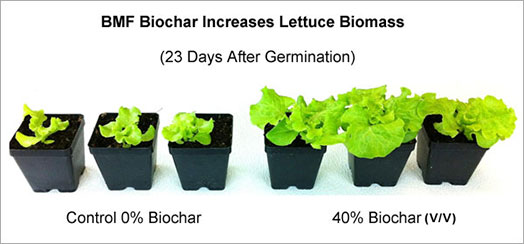
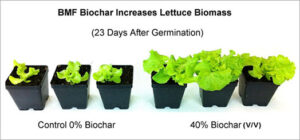
First and foremost, the application of biochar in agriculture is among its most compelling uses. By incorporating biochar into soil, farmers can improve soil structure, increase nutrient retention, and enhance microbial activity. This transformative process, often described as “soil rejuvenation,” results in healthier crops and higher yields. Biochar possesses a porous structure, offering an ideal habitat for beneficial microorganisms. These microbes, in turn, help in breaking down organic matter and cycling nutrients, fostering a robust agronomic ecosystem.
Moreover, biochar plays a crucial role in water retention. In regions prone to drought, the ability of biochar to hold moisture can be a game-changer. Farmers can reduce irrigation frequency and conserve water, which is increasingly critical in the face of global climate change. This capacity to retain water while simultaneously improving soil health propels biochar into the limelight as an essential ally for sustainable agriculture.
From agronomies’ perspective, biochar is not just a soil amendment; it’s also a tool for combating soil acidity. Many agricultural regions experience declining soil health due to acidic conditions, which can inhibit plant growth. By applying biochar, farmers can mitigate the detrimental effects of acidity, creating a conducive environment for crops to thrive. This process enables the cultivation of diverse plant species that might otherwise struggle in unfavorable soil conditions.
In addition to its agricultural applications, biochar emerges as a promising contender in the realm of waste management. The production of biochar often utilizes agricultural residues and forestry waste—materials that, if left unmanaged, could contribute to greenhouse gas emissions and environmental degradation. By converting these waste products into biochar, we can divert organic waste from landfills while simultaneously creating a valuable resource for enhancing soil health. This circular economy approach not only promotes sustainability but also underscores the ingenious utility of biochar.
Furthermore, the environmental benefits of biochar extend to carbon sequestration, a critical comrade in the fight against climate change. As biochar is incorporated into soil, it becomes a stable form of carbon, effectively locking away carbon dioxide that would otherwise contribute to atmospheric greenhouse gases. Some studies suggest that biochar can sequester carbon for hundreds of years, making it a long-term solution for mitigating climate change impacts. This characteristic is crucial in a world striving for carbon neutrality and illustrates biochar’s potential as a cornerstone in climate action strategies.
However, it’s imperative to acknowledge that not all biochar is created equal. The efficacy of biochar largely depends on its feedstock and production method. Thus, careful consideration of both inputs is essential to optimize its benefits. Different biomass sources, including wood chips, agricultural residues, and animal manures, yield biochar with varied properties and functionalities. By experimenting with diverse feedstocks, researchers can fine-tune biochar’s properties to suit specific agricultural needs, thereby maximizing its positive impact.
Yet, the journey of biochar does not culminate in soil and carbon sequestration. Its applications extend into the realms of water treatment and energy production. Biochar can act as a filtration medium, trapping contaminants and pollutants in runoff water, which promotes cleaner waterways and healthier ecosystems. In this context, biochar becomes an invaluable ally for industries and municipalities alike. Its capacity to purify water aligns with global goals of enhancing water quality and safeguarding public health.
Moreover, biochar stands at the intersection of biomass energy and soil enhancement. By utilizing biochar in gasification and pyrolysis systems, we can produce biofuels while generating biochar as a by-product. This dual purpose not only creates a renewable energy source but also integrates biochar’s soil-enhancing qualities into energy production processes. The synergy between energy and agriculture presents an insightful avenue for innovation, illustrating the interconnectedness of our ecological systems.
As interest in biochar continues to burgeon, the discourse around its potential applications is equally expanding. Researchers and practitioners are now exploring the intersections between biochar, agroforestry, and permaculture. These integrative approaches blend traditional farming methods with modern scientific understanding, creating holistic agricultural systems that prioritize resilience and sustainability.
In conclusion, the multidimensional uses of biochar illuminate a path towards sustainable environmental practices and enhanced agricultural productivity. From its capacity to improve soil health and promote water retention to its role in carbon sequestration and waste management, biochar emerges as a formidable ally in some of today’s most pressing challenges. As the understanding of biochar unfolds and expands, embracing its potential can inspire a paradigm shift—one where regenerative practices become the norm, and our stewardship of the planet is anchored in sustainability and resilience.