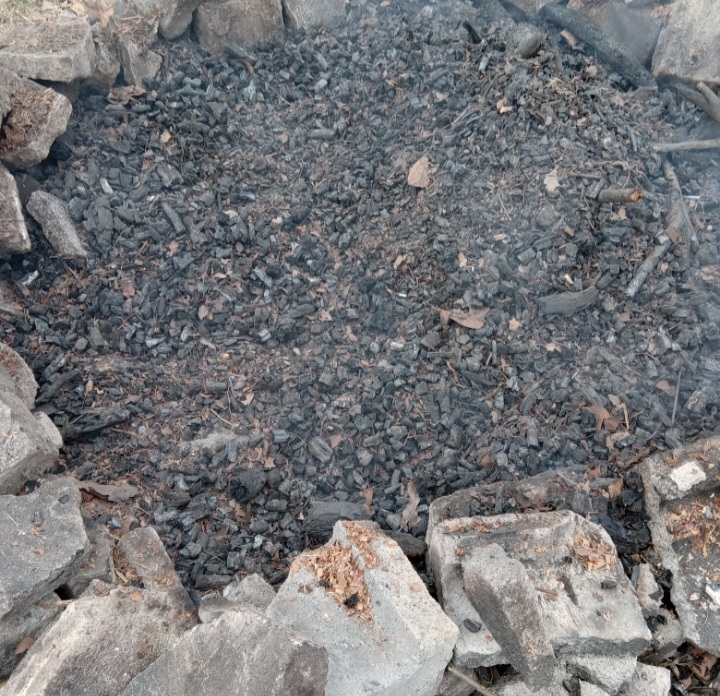
In recent years, biochar has emerged as a tantalizing topic within agricultural and environmental discussions. It has captured the imagination of farmers, scientists, and sustainability enthusiasts alike. This enthusiasm arises not merely from its practical applications but also from its intriguing origins in ancient agricultural practices, culminating in a modern renaissance aimed at mitigating some of today’s most pressing ecological challenges. While the excitement surrounding biochar is palpable, it is imperative to dissect the genuine pros and cons of this multifaceted material to cultivate an informed perspective.
Understanding Biochar
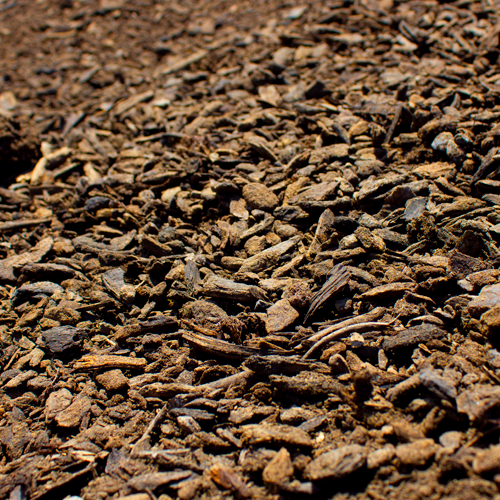
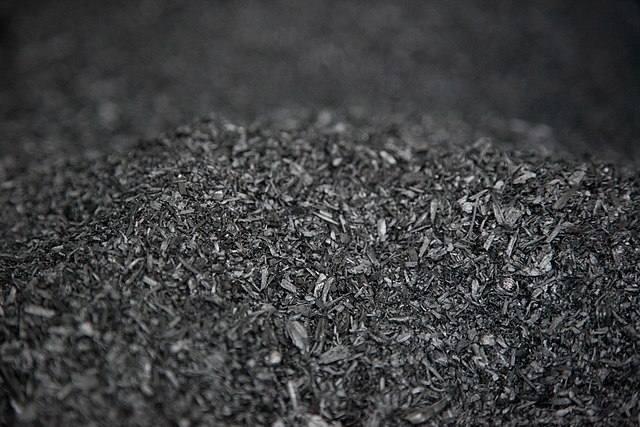
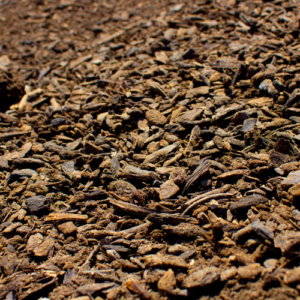
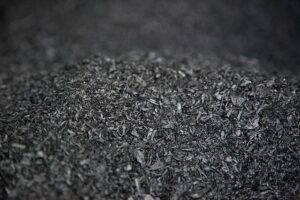
Biochar is a carbon-rich product obtained through the pyrolysis of biomass, a process that entails heating organic material in the absence of oxygen. This thermal treatment not only sequesters carbon but also transforms the parent material into a stable form that can endure in soils for centuries. The interest in biochar stems from its potential applications, spanning from improving soil health to sequestering carbon and mitigating climate change. However, as with any innovation, it is essential to scrutinize its advantages and disadvantages.
Pros of Biochar
1. Soil Health Enhancement
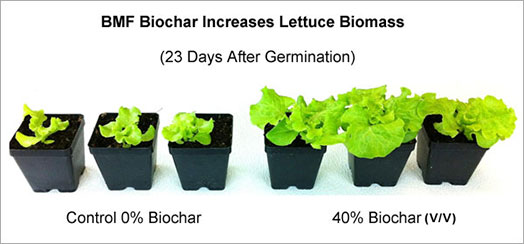
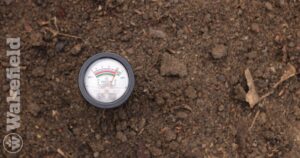
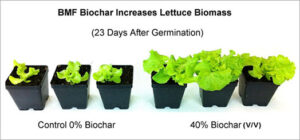
One of the most significant benefits of biochar is its ability to improve soil structure and fertility. By increasing the porosity of the soil, biochar facilitates better aeration and water retention, which in turn fosters a more supportive environment for root systems. Furthermore, biochar can enhance nutrient retention, reducing the need for chemical fertilizers. A well-amended soil with biochar demonstrates improved microbial activity, leading to a flourishing ecosystem that encourages healthy plant growth.
2. Carbon Sequestration
As a stable form of carbon, biochar serves as an effective method for carbon sequestration. In a world grappling with climate change, the ability to lock carbon away for extended periods is invaluable. Biochar’s structure allows it to store carbon for thousands of years, thus actively contributing to greenhouse gas mitigation strategies. This functional characteristic aligns with global efforts to reach carbon neutrality, drawing further interest from policymakers and environmentalists.
3. Waste Management Solution
Biochar production presents a sustainable approach to managing biomass waste. Agricultural residues, forestry byproducts, and even organic household waste can be repurposed into biochar through pyrolysis. This process helps divert waste from landfills, thus mitigating the environmental impacts associated with waste disposal. In this way, biochar exemplifies a circular economy, where waste is transformed into a resource.
4. Potential for Remediation
The unique properties of biochar allow it to act as an effective sorbent. It can help remediate contaminated soils by immobilizing heavy metals and organic pollutants. When incorporated into polluted environments, biochar can mitigate toxicity and promote recovery of the ecosystem. Its potential for use in polluted watersheds further amplifies its ecological significance.
5. Contribution to Biodiversity
Enhanced soil health and fertility translate to increased biodiversity. By creating a more hospitable environment for beneficial microorganisms, biochar fosters a rich tapestry of life within the soil. This biodiversity is crucial not only for resilient agricultural systems but also for maintaining ecosystem integrity. The interplay between plant roots, microorganisms, and soil structure exemplifies the intricate relationships that sustain our environment.
Cons of Biochar
1. Production Challenges
Despite its impressive myriad of potential benefits, biochar production is not without its challenges. The pyrolysis process requires specific conditions and equipment, which may pose barriers to widespread adoption. Furthermore, the sourcing of biomass for biochar can lead to competition with food production if not managed appropriately. Sustainable sourcing is crucial to avoid negative consequences that may arise from prioritizing biomass for biochar over feedstock for food crops.
2. Potential Environmental Trade-offs
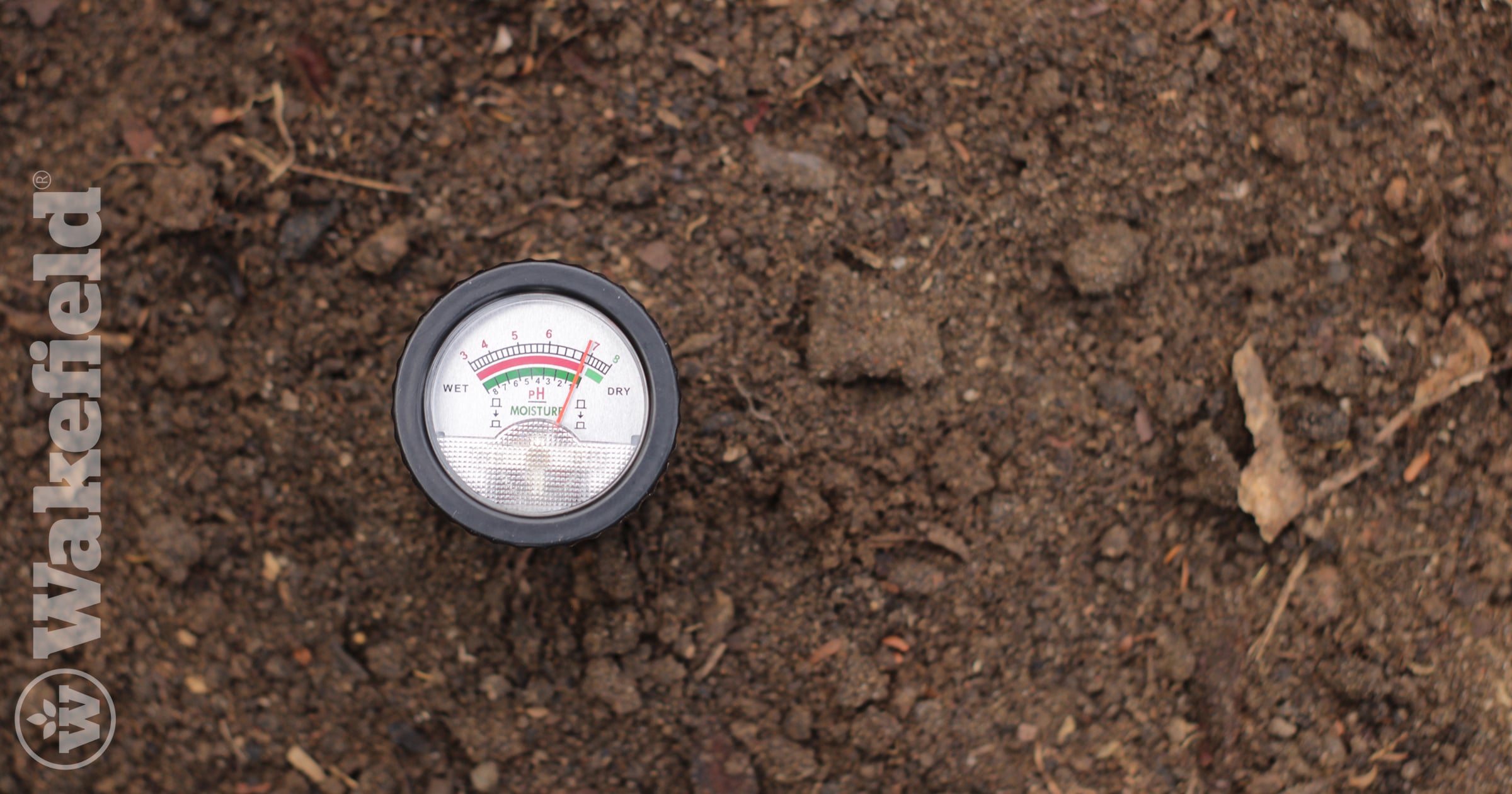
While the utilization of biochar can have ecological benefits, it is vital to be cautious of its potential environmental trade-offs. Some studies suggest that introducing biochar in certain contexts could negatively affect soil chemistry, such as altering pH levels or introducing unwanted contaminants. These outcomes may vary significantly based on the type of biomass used and the pyrolysis conditions; hence, empirical research is crucial before implementing biochar practices at scale.
3. Economic Considerations
The economic viability of biochar production presents another layer of complexity. Initial investments in pyrolysis technology, coupled with ongoing operational costs, may deter small-scale farmers and enterprises. Additionally, the market for biochar remains relatively nascent, leading to uncertainties about pricing and demand. Until scalability issues are effectively addressed, the economic aspects of biochar will continue to pose significant challenges.
4. Short-term vs. Long-term Effects
While the long-term benefits of biochar are well-documented, its short-term efficacy remains a subject of debate. Immediate results may vary based on factors such as soil type, climate, and crop species. Farmers seeking quick returns may find themselves disappointed by the lag in visible outcomes. This discrepancy can lead to skepticism surrounding biochar’s efficacy as a soil amendment, highlighting the need for patience and informed application strategies.
5. Over-hyping and Misinformation
The fascination with biochar can sometimes lead to over-hyping of its capabilities. Misinformed claims about its potential to solve various environmental issues may steer public perception and policy in unsubstantiated directions. Critical discourse and rigorous scientific inquiry are essential to clarify the boundaries of biochar’s efficacy, helping to avoid disillusionment among stakeholders.
In conclusion, biochar stands at the intersection of hope and realism in the journey toward sustainable agricultural practices and climate solutions. By acknowledging both its profound potential and inherent limitations, stakeholders can engage in informed decision-making regarding its application. This balance is necessary not only for maximizing biochar’s benefits but also for cultivating a sustainable and resilient future.