Biochar, a charred organic material produced through pyrolysis, has emerged as a pivotal player in sustainable agriculture and environmental remediation. It offers a novel pathway for improving soil health, sequestering carbon, and enhancing agricultural productivity. However, the journey toward effectively utilizing biochar is fraught with challenges and complexities. Understanding these trials is essential for leveraging biochar’s potential, and troubleshooting its application can unlock its myriad benefits.
1. Understanding Biochar: A Primer
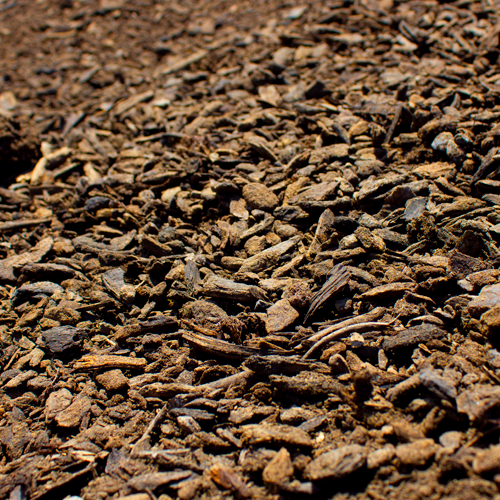
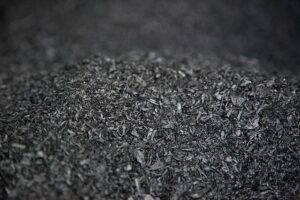
At its core, biochar is a form of charcoal created from biomass, such as agricultural residues, forestry wastes, or even municipal organic refuse. Through the process of pyrolysis—exposing the organic material to high temperatures in a low-oxygen environment—biochar is produced, rendering it highly stable and resistant to decomposition. This unique structure not only locks carbon in the soil but also improves nutrient retention and water-holding capacity, promising better yields for farmers.
2. Soil Compatibility: A Crucial Consideration
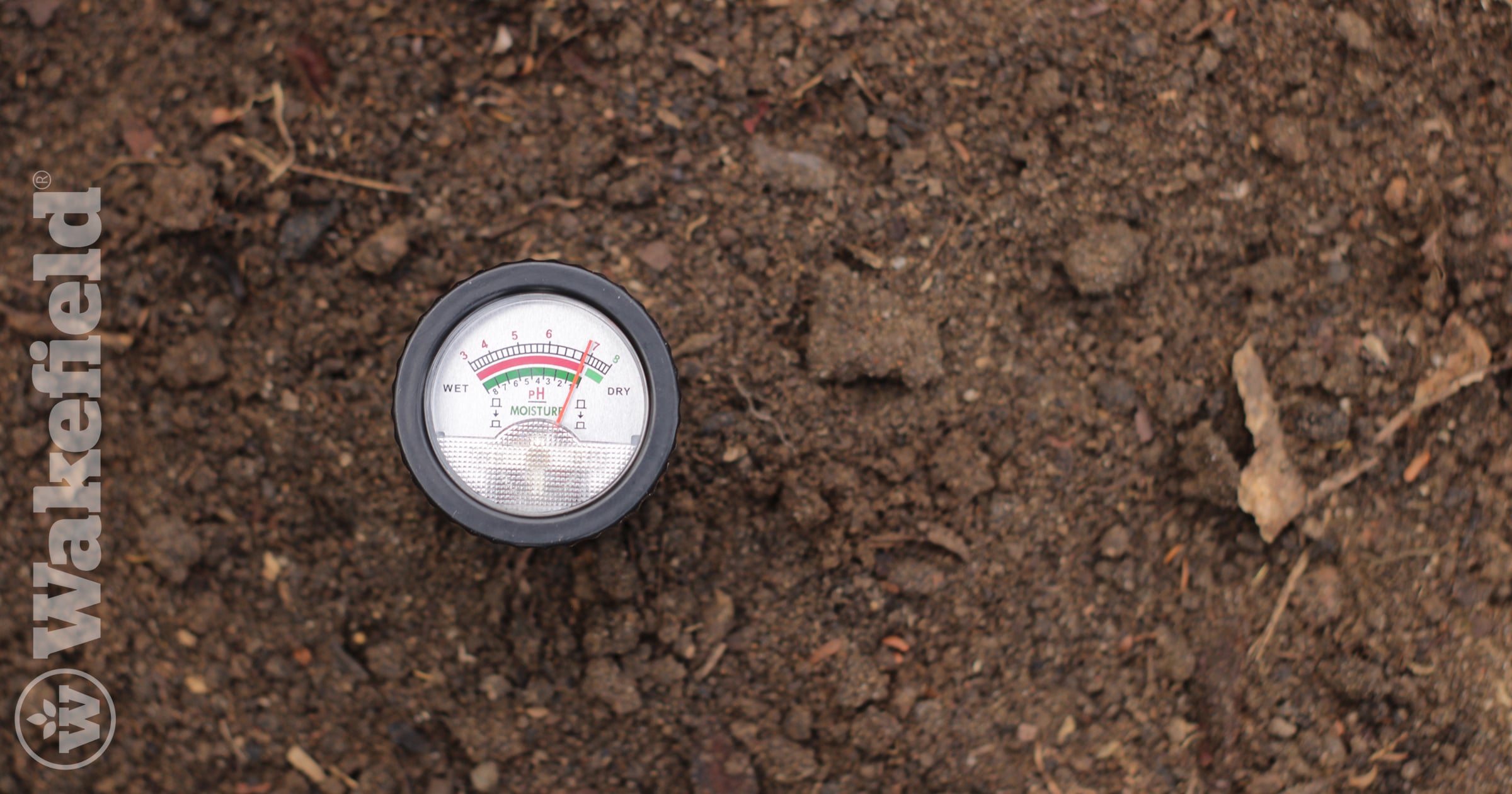
One of the foremost aspects to consider when utilizing biochar is its compatibility with specific soil types. Different soils, from sandy to clayey, respond uniquely to biochar amendments. An initial misstep can significantly undermine its efficacy. Conducting a soil test allows for insightful analysis of pH levels, nutrient profiles, and organic matter percentages. Biochar typically has a high pH, which may counteract acidity in some soils but create alkalinity issues in others. Adjusting the biochar formulation can lead to a tailored solution, optimizing its interaction with the soil matrix.
3. Biochar Characteristics: The Impact of Feedstock
The type of biomass utilized as feedstock influences biochar’s chemical and physical properties. For instance, biochar from agricultural residues may differ vastly in nutrient content compared to that derived from forestry waste. Low nutrient availability from certain feedstocks can lead to nutrient immobilization in soil, frustrating the intended soil enhancement. Therefore, meticulous selection of feedstock based on desired outcomes is vital, creating the necessity for farmers to perform due diligence in their biochar sourcing.
4. Application Rates: Balancing the Benefits and Risks
Determining the appropriate application rate is a common conundrum that many practitioners face. Over-application can lead to detrimental effects, such as nutrient leaching and water runoff, while under-application may not deliver the expected benefits. Recommendations often suggest starting with lower application rates and gradually increasing as farmers observe plant responses. Testing small plots can offer empirical evidence to quantify ideal rates tailored to specific crops and local conditions.
5. Biodegradability and Longevity: The Double-Edged Sword
One of biochar’s remarkable features is its longevity in the soil; it can persist for decades or even centuries. However, this durability; while beneficial for carbon sequestration, can also present challenges regarding nutrient availability. Initially, newly added biochar may temporarily bind nutrients, making them unavailable to plants. Addressing this constraint often necessitates integrating biochar with compost or other organic fertilizers, ensuring a balanced nutrient profile and enhancing overall soil fertility.
6. Moisture Retention: An Essential Factor in Arid Regions
In regions plagued by drought, biochar’s capacity to improve water retention is particularly advantageous. However, improper conditioning or application can lead to water eutrophication, especially in sandy soils where biochar might not retain moisture effectively. Farmers must recognize local climatic conditions and soil characteristics, adjusting biochar usage accordingly. A detailed study on water dynamics can illuminate the synergistic effects of combining biochar with mulching practices, potentially rehabilitating drought-stricken lands.
7. Crop-Specific Considerations: Customizing Biochar Use
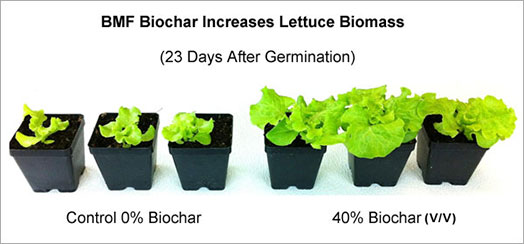
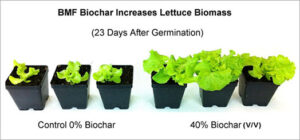
Different crops exhibit varying responses to biochar integration. For instance, root vegetables may benefit differently than leafy greens. Therefore, understanding crop-specific requirements and life cycles allows for a more effective biochar application strategy. Engaging in trial plots with select crops can provide valuable insights to shape future biochar deployment, making it a more tailored and efficient tool in the agricultural arsenal.
8. Regulatory Hurdles: Navigating the Legal Landscape
As biochar gains traction, navigating the regulatory landscape becomes a daunting task. Agricultural policies surrounding biochar are still evolving, and practitioners must stay informed about local guidelines that impact usage and certification. Engaging with agricultural extension services or legal experts can provide clarity on legal boundaries, ensuring compliance while maximizing the benefits biochar offers.
9. Community Engagement: The Importance of Collaboration
Encouraging community engagement and knowledge sharing can facilitate troubleshooting common biochar-related issues in local farming networks. Cohesive community support, paired with shared resources, enables farmers to exchange insights on successes and failures. This collaborative approach not only fosters innovation but may also lead to the development of region-specific best practices in biochar application.
10. Future Prospects: The Road Ahead for Biochar
As scientific inquiry into biochar grows, so too does the potential for enhanced applications in climate change mitigation, waste management, and sustainable agriculture. Embracing ongoing research will allow practitioners to refine biochar strategies continually and adapt to evolving challenges. By fostering curiosity and pioneering resilient agricultural systems, biochar may very well transform the landscapes of modern farming.
Ultimately, troubleshooting biochar applications requires a mélange of scientific understanding, empirical testing, and community collaboration. Unraveling these intricacies invites both challenges and opportunities, embodying a shift in perspective that emphasizes the need for adaptive management in the pursuit of sustainability and agricultural innovation. By embracing this paradigm, the promise of biochar can become a powerful reality, beckoning farmers and stakeholders to explore its full potential.