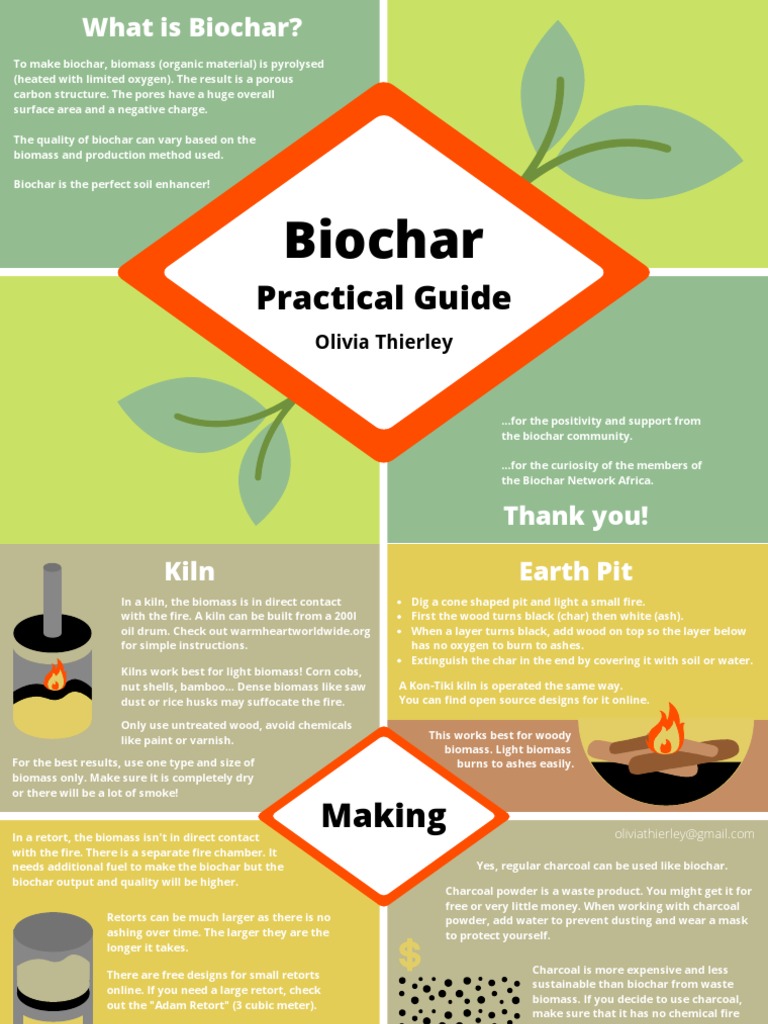
In the realm of sustainable agriculture, the transformation of agricultural residues into biochar has garnered significant interest. This practice, while seemingly straightforward, conceals layers of ecological and agricultural benefits, making it a subject of profound fascination. Indeed, as farmers grapple with the incessant challenges posed by soil degradation and climate change, the allure of creating biochar emerges not merely from a desire to recycle waste but also from the promise of enriching their lands, enhancing crop resilience, and sequestering carbon.
**Understanding Biochar**
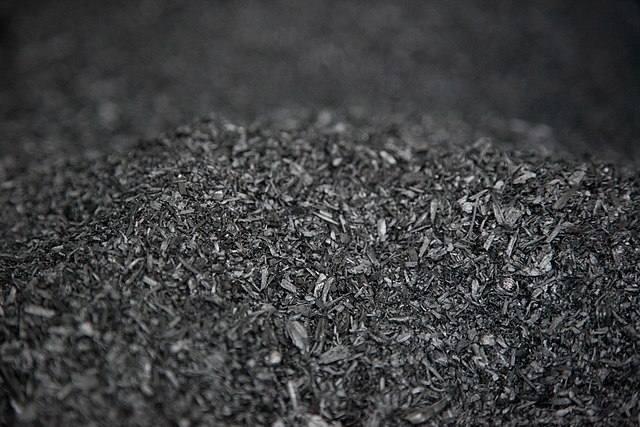
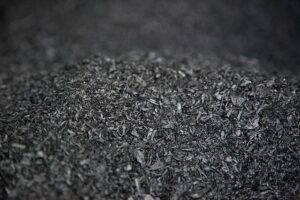
Biochar is a carbon-rich material produced through the pyrolysis of organic matter, particularly agricultural residues. This process involves heating the biomass in a low-oxygen environment, yielding a stable form of carbon that can endure in soil for centuries. The magic lies in its porous structure and high surface area, attributes that facilitate nutrient retention and improve soil health. Nevertheless, producing biochar is only part of the story; understanding how to incorporate it into farming practices is where the true potential lies.
**Why Biochar? The Multifaceted Benefits**
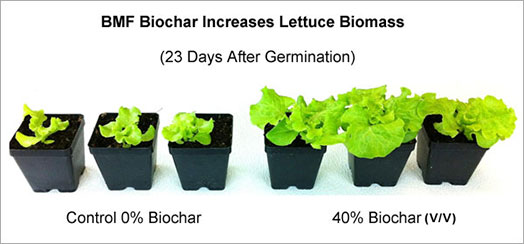
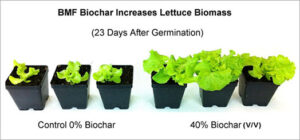
To appreciate the journey from residues to biochar, consider the myriad benefits it offers. Firstly, biochar contributes to enhanced soil fertility. By improving nutrient retention and promoting beneficial microbial activity, crops receive a steady supply of essential nutrients. Secondly, biochar aids in moisture retention—an invaluable trait in arid regions—reducing the need for irrigation and conserving precious water resources.
Additionally, biochar has the profound ability to mitigate climate change. It serves as a carbon sink, locking away carbon that would otherwise contribute to greenhouse gas emissions. Furthermore, the process of turning waste into biochar diverts agricultural residues from landfills, thus minimizing methane production, a potent greenhouse gas.
**Crafting Biochar: A Step-by-Step Guide**
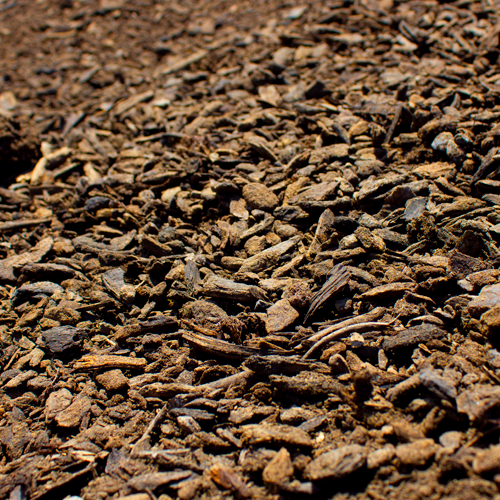
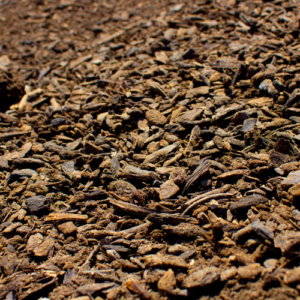
1. **Select the Right Feedstock**: The first step involves choosing the appropriate agricultural residues. Options are abundant—corn stalks, rice husks, sugarcane bagasse, and even forestry residues, such as tree bark. The key is to select feedstock that is dry and low in contaminants.
2. **Preparation of Residues**: Once you have selected the residues, prepare them for pyrolysis. This entails chopping or shredding the material into smaller pieces. Smaller fragments increase surface area, facilitating more efficient pyrolysis and higher-quality biochar formation.
3. **Pyrolysis Setup**: Next, decide on the pyrolysis method. Various techniques include traditional kilns, modern biochar reactors, and even DIY methods. Each approach varies in efficiency and complexity. Compact retorts and continuous kilns are preferred for their ability to optimize oxygen levels and produce high-quality biochar.
4. **Monitor Temperature and Time**: Pyrolysis requires precise temperature control, typically between 300°C to 700°C. During this phase, the organic materials undergo thermal decomposition, releasing volatile gases and creating biochar. Monitoring the temperature ensures that the process remains efficient and minimizes the formation of toxic by-products.
5. **Cooling and Collection**: Once the pyrolysis is complete, allow the biochar to cool. This step is crucial; introducing warm biochar to moist environments could lead to combustion. Once cooled, collect the biochar carefully and store it in a dry container to preserve its properties.
6. **Biochar Activation**: For maximum effectiveness, consider pre-conditioning the biochar before application. This can involve soaking it in nutrient-rich solutions or compost tea, enhancing its nutrient-holding capacity and ensuring that it readily contributes to soil health upon application.
**Application Methods**
Incorporating biochar into agricultural practices can be tailored to specific needs. One common method is through direct soil incorporation, mixing it into the topsoil where it can enhance physical and chemical properties. Alternatively, farmers may choose to add biochar to compost piles, allowing microorganisms to further enhance its quality before application to the fields.
Moreover, considering the specific soil and crop requirements is vital. Different crops may respond uniquely to biochar, demanding adjustments in application rates and methods. Thus, ongoing research and experimentation are crucial to determining optimal use in various agro-ecosystems.
**Measuring Success: Evaluating Biochar’s Impact**
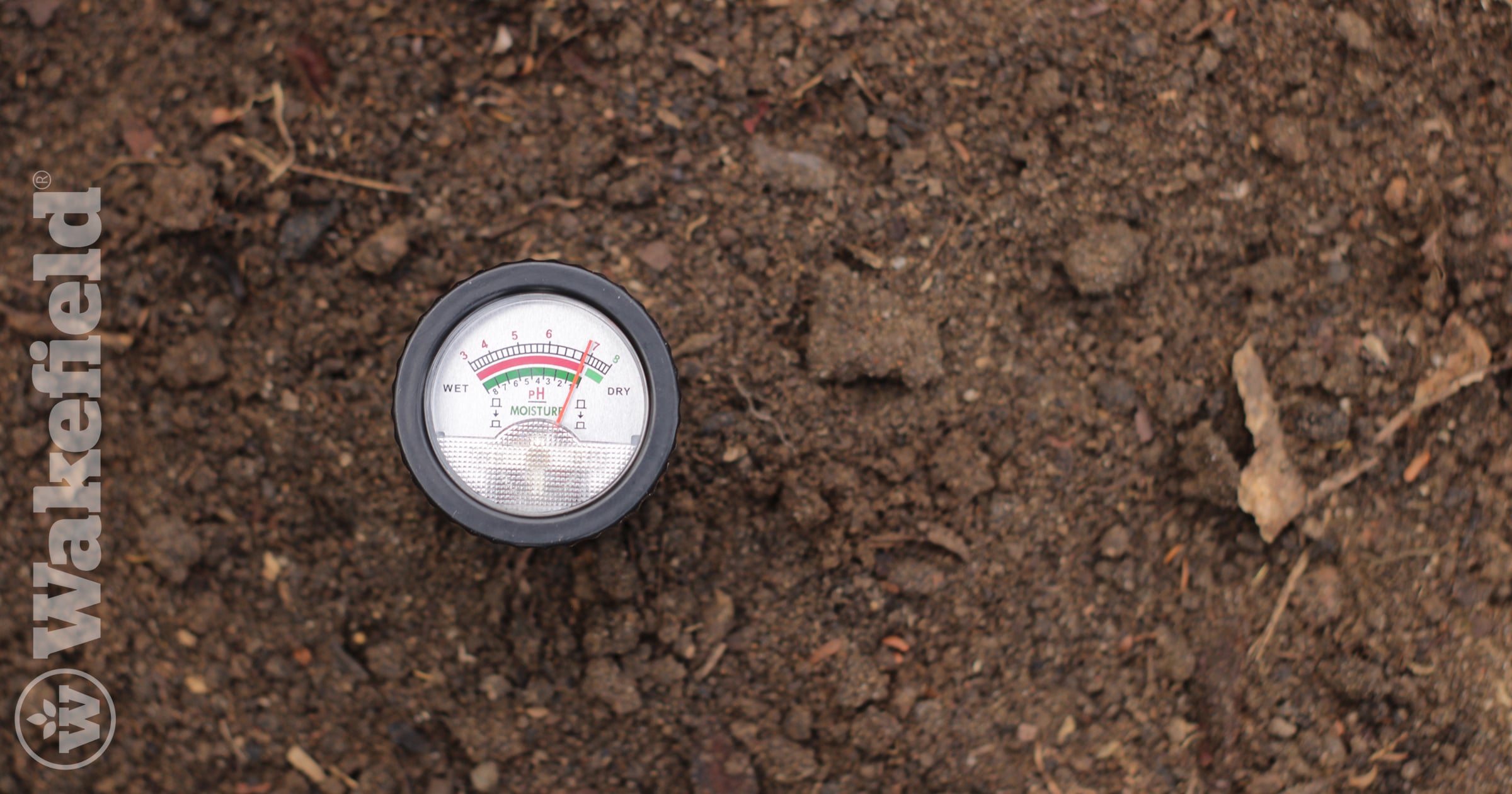
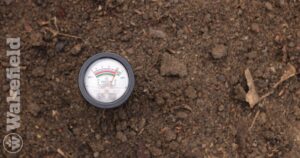
After implementation, quantifying the effects of biochar on soil health and crop yields becomes essential. Conducting soil tests to assess nutrient levels, pH adjustments, and microbial activity can provide insights into its effectiveness. Farmers should also track crop performance over successive seasons, gleaning valuable data on yield improvements and resilience against pests and diseases.
**Challenges and Considerations**
While biochar embodies promise, it is not without challenges. Initial setup costs for pyrolysis equipment can be prohibitive, and the knowledge barrier regarding best practices may deter some farmers. Additionally, the variability in feedstock properties can influence the quality of the resulting biochar. Ensuring consistent production and application calls for meticulous planning and ongoing education.
**The Future of Biochar in Agriculture**
As the world increasingly seeks sustainable solutions to food production and environmental degradation, the significance of biochar will only grow. The practice of turning agricultural residues into biochar not only paves the way for innovative farming techniques but also plays a crucial role in combating climate change, enhancing food security, and promoting ecological resilience. Embracing this transformation signifies a commitment to stewardship of the earth, transforming waste into valuable resources that nurture both soil and society alike.