In an era where sustainable practices gain paramount importance, the potential of transforming agricultural waste into biochar stands out as a groundbreaking approach to enhance environmental health while creating lucrative opportunities. This article delves into the multifaceted avenues through which biochar can convert agricultural refuse into profit, shedding light on its environmental benefits, agricultural applications, and its role in a circular economy.
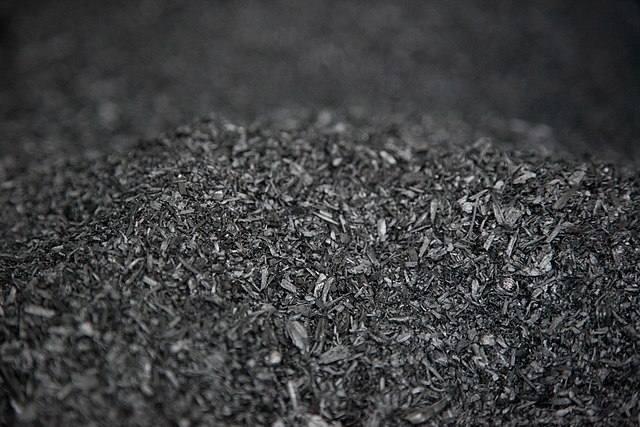
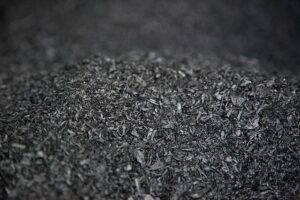
To appreciate the significance of biochar, it is essential to understand what it is. Biochar is a carbon-rich product derived from organic materials, typically agricultural residues, through pyrolysis—a thermal decomposition process conducted in the absence of oxygen. This process not only yields biochar but also produces syngas and bio-oil, which can be utilized as energy sources. Consequently, biochar emerges as a remarkable avenue for managing agricultural waste while simultaneously addressing pressing ecological issues.
1. Environmental Stewardship: A Critical Advantage
The environmental ramifications of biochar are profound. By sequestering carbon within the soil, biochar mitigates the greenhouse gas emissions that largely contribute to climate change. Approximately one-third of the carbon dioxide released into the atmosphere stems from agricultural practices, primarily from decomposing organic matter. When agricultural waste is converted into biochar, it helps lock carbon away for centuries, reversing detrimental trends.
In addition, biochar enhances soil structure, resulting in improved moisture retention and nutrient availability. This improvement is significant in drought-stricken areas, allowing crops to flourish even with reduced water resources. The ability of biochar to retain water not only benefits farmers by lowering irrigation costs but also reduces the stress on local water supplies.
2. Agricultural Applications: Fertilizer Replacement
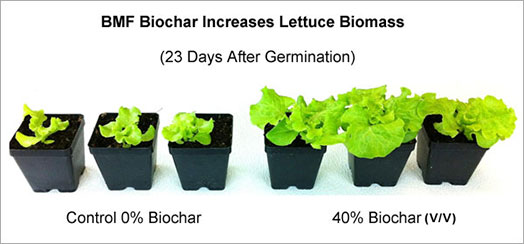
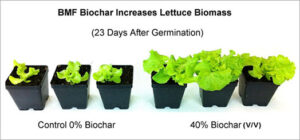
Biochar also serves as an effective soil amendment. By integrating it into the soil, farmers can improve fertility without relying solely on chemical fertilizers. The porous nature of biochar enables it to serve as a habitat for beneficial microorganisms, enhancing soil biodiversity. It acts like a sponge, retaining nutrients and moisture, thus providing plants with a steady supply of essential elements such as nitrogen, phosphorus, and potassium.
This natural improvement in soil quality could prompt substantial savings for farmers, facilitating reduced expenditure on synthetic fertilizers. Establishing a cycle where agricultural waste is transformed into biochar, which in turn enriches the soil, exemplifies a resilient agricultural model that maximizes productivity while minimizing costs.
3. Economic Opportunities for Farmers
Transitioning to biochar production can unlock diverse income streams for farmers. Instead of discarding crop residues, they can capitalize on these materials, creating additional revenue through biochar sales. Small and midsize farms can collectively engage in biochar production, forming cooperatives that harness their agricultural waste efficiently.
Moreover, with the increasing demand for sustainably-produced goods, biochar can enhance a farmer’s marketability. Eco-conscious consumers are progressively drawn to products cultivated in biochar-amended soils, recognizing the importance of sustainable practices. Farmers who embrace biochar not only contribute positively to the environment but also cater to a growing market niche.
4. Biochar in Waste Management Strategies
Transforming agricultural waste into biochar offers a viable solution to waste management challenges. Agricultural by-products, such as stalks, leaves, and husks, often face disposal issues, leading to landfills and incineration—both environmentally detrimental practices. Creating biochar from these residues effectively diverts waste from landfills, promoting a cleaner environment.
Moreover, the production of biochar could integrate seamlessly with existing agricultural practices, offering a dual solution to both crop management and waste reduction. By employing pyrolysis technologies on-site, farms can produce biochar directly from their waste, fostering a more sustainable operational model.
5. Enhancing Climate Resilience
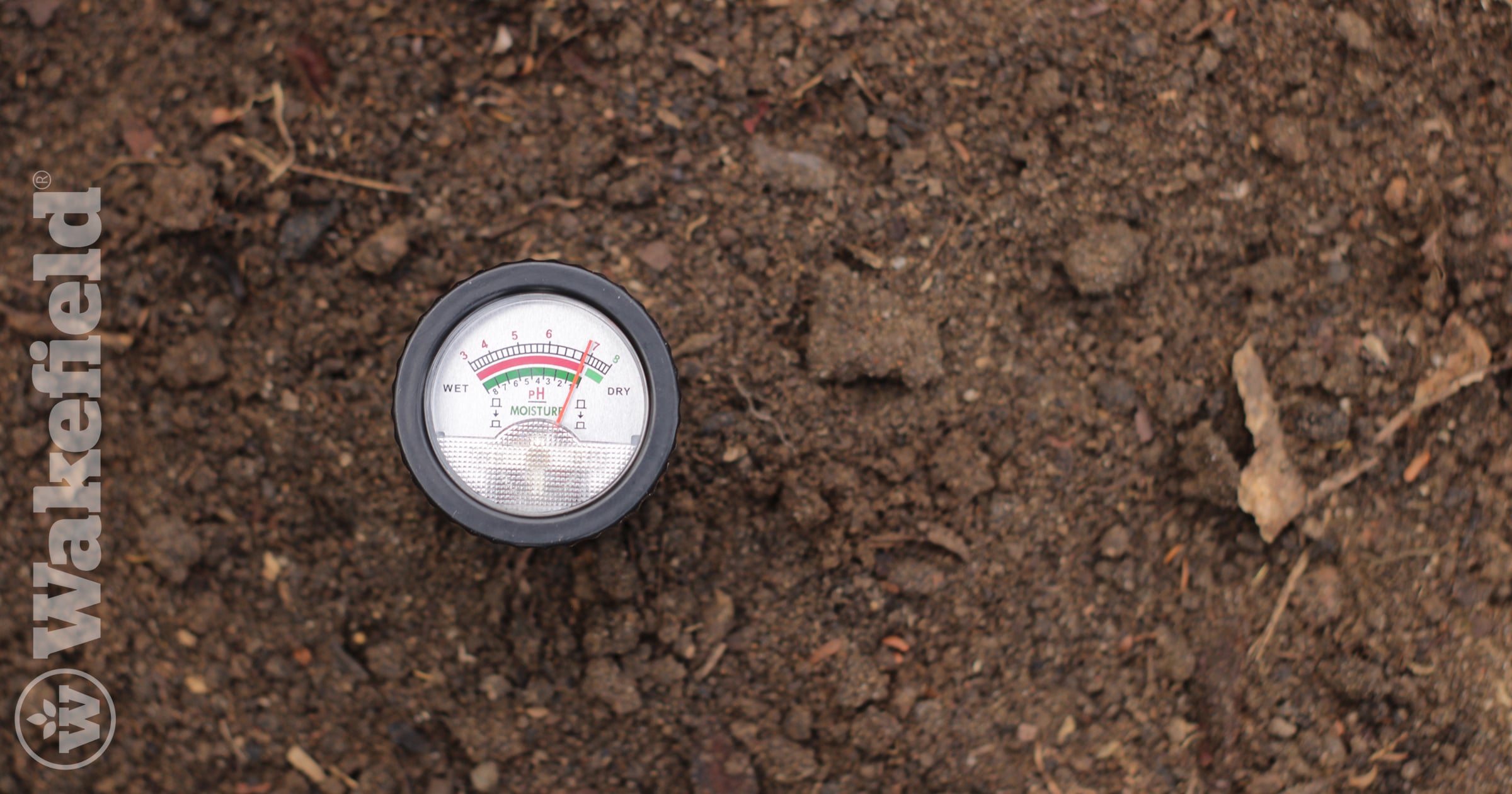
The resilience of agricultural systems is paramount in the face of climate change. Biochar contributes significantly to this resilience, as it can improve soil health, which is critical for adapting to changing climatic conditions. Healthy soils enhance crop resilience to extreme weather events, such as droughts and heavy rainfall. Furthermore, biochar helps stabilize soil pH, promoting a balanced ecosystem for crops and beneficial microbes alike.
Farmers implementing biochar into their practices can also engage in climate-smart agricultural initiatives, positioning their operations favorably within governmental and non-governmental programs focusing on sustainability, which often provide financial incentives.
6. Circular Economy: A Sustainable Model
Biochar exemplifies the principles of a circular economy—where waste products are repurposed to create new value, thus promoting sustainability at multiple levels. This model fosters an interconnected system that reduces waste, enhances resource efficiency, and improves overall ecological health.
By viewing agricultural waste not as a liability, but as a resource, the agrarian community can leverage biochar to forge pathways towards sustainability. This transition empowers rural areas economically while reducing their carbon footprint. The marriage of agriculture and biochar production nurtures both environmental integrity and economic viability.
Conclusion
As the agricultural sector continues to navigate the complexities of sustainability, biochar stands as a transformative substance with far-reaching benefits. The multifaceted impact of turning agricultural waste into biochar presents an unprecedented opportunity to address environmental, economic, and climate challenges efficiently. By prioritizing biochar production, farmers not only benefit their own operations but also contribute to a more sustainable future, where environmental stewardship and profitability go hand in hand.