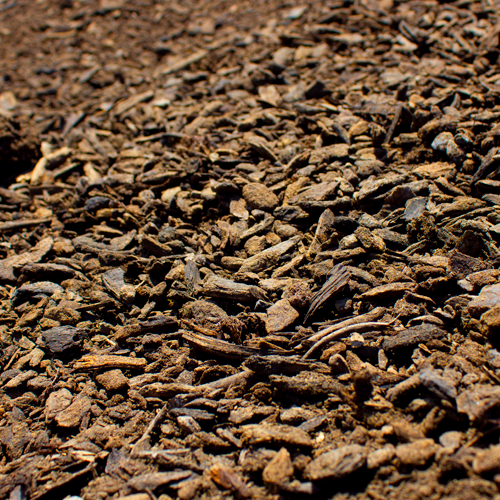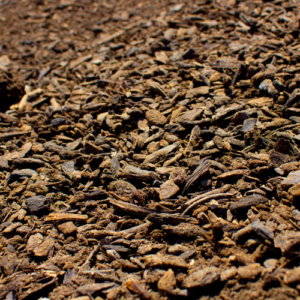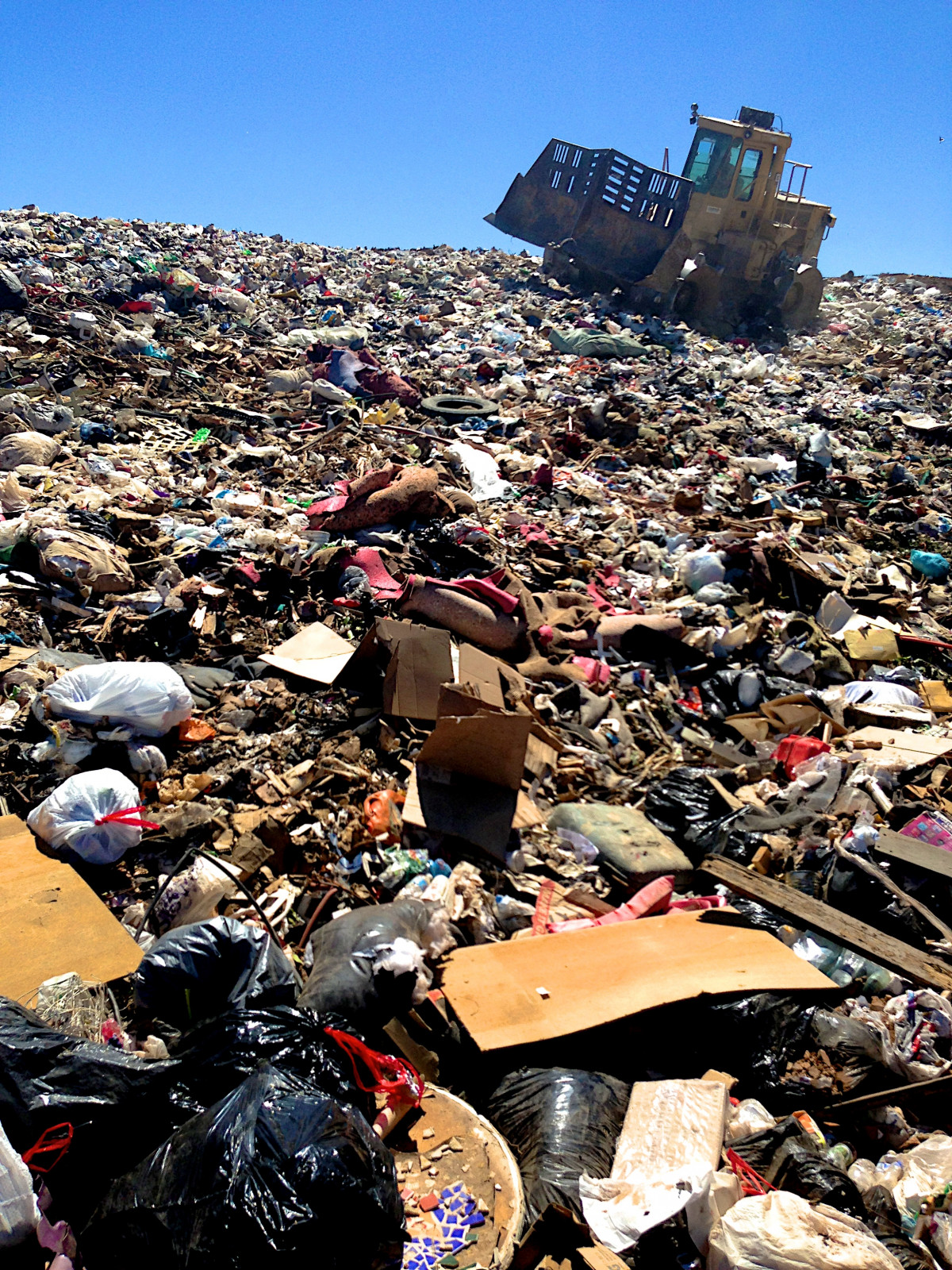
In the heart of a bustling city, amidst the cacophony of urban life, lie mountains of organic refuse — a veritable jungle of waste that, too often, is left to rot and erode. Here, in its unassuming form, we encounter the humble beginnings of biochar, a transformative material that represents not merely waste management but a profound reimagining of our relationship with the refuse we produce. Just as the great phoenix rises from its ashes, so too does biochar emerge from the remnants of our daily lives, offering a pathway towards sustainable waste management and environmental remediation.
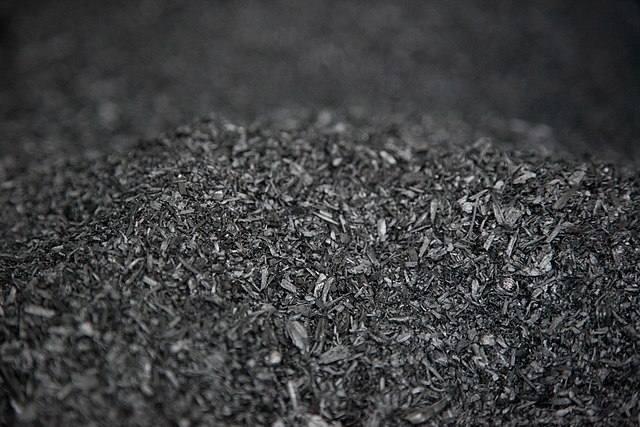
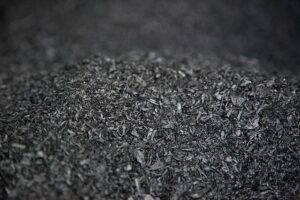
At its core, biochar is a stable form of carbon produced through the pyrolysis of organic material, a process that occurs when biomass is heated in the absence of oxygen. This alchemical transformation not only sequesters carbon but converts everyday waste into a resource brimming with potential. Picture turning a pile of discarded fruits, vegetable peels, and agricultural debris into a treasure trove of soil-enhancing magic; this is the essence of biochar.
The Alchemy of Waste
The process of creating biochar is akin to modern alchemy. While traditional alchemists sought to turn lead into gold, today’s innovators are striving to turn waste into wealth. The various feedstocks for biochar can include agricultural residues, forestry biomass, manure, and even municipal solid waste. Each type brings forth its own unique characteristics and benefits when processed into biochar, thus creating a versatile tool in the realm of sustainable agriculture and environmental rehabilitation.
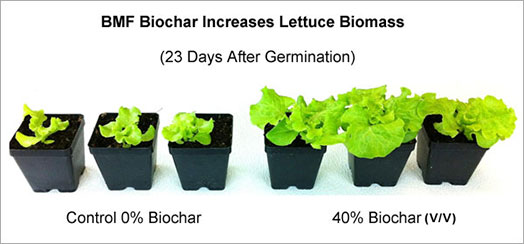
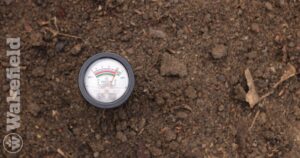
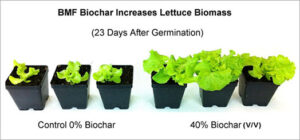
One of the most compelling aspects of biochar is its capacity to enhance soil health. Through the addition of biochar to soil, farmers and gardeners can create a richer, more fertile growing medium. This porous material retains moisture and nutrients, effectively creating a reservoir for plants. Imagine a sponge, soaking up precious water and nutrients that would otherwise seep away, only to be released slowly to crops. Such a revolutionary approach revitalizes not just the soil but the very essence of food production and sustainable agriculture.
The Carbon Sequestration Hero
The environmental implications of biochar extend far beyond mere soil enhancement; they infiltrate the very fabric of our climate strategy. With increasing concern over climate change and rising carbon emissions, biochar emerges as a stalwart champion in the fight for a cleaner planet. By converting organic biomass into a stable carbon form, biochar locks away carbon for centuries, thwarting its release back into the atmosphere.
To visualize this, consider biochar as a time capsule for carbon, preserving it from the clutches of atmospheric release. This innovative solution addresses waste management while simultaneously acting as a formidable counterweight to rising greenhouse gases, contributing to a multi-faceted approach to tackling climate change.
From Waste to Energy: The Dual Purpose of Pyrolysis
The journey of biomass doesn’t simply end with transformation into biochar. The pyrolysis process itself generates gases and liquids that can be harnessed for energy, thus serving a dual purpose. This multifarious approach means that in addition to producing biochar, we simultaneously create syngas and bio-oil, both of which can be utilized for energy generation. Imagine a process where the byproducts of waste do not become mere refuse but instead energize homes, businesses, and industries. This circular economy approach maximizes the utility of every piece of organic material, ensuring that waste becomes an ally, not an adversary.
Enhancing Biodiversity: A Hidden Benefit
Moreover, the incorporation of biochar into ecological landscapes fosters biodiversity. Unlike conventional fertilizers, which can lead to chemical runoff and imbalances, biochar provides a sanctuary for beneficial microbes and organisms. Its porous structure acts like a microscopic habitat, harboring diverse life forms that enhance soil microbiology and promote plant health. This symbiotic relationship between biochar and living organisms creates a thriving ecosystem, nurturing not just plants but the very foundations of our food systems.
The Societal Shift: Rethinking Waste Management
Beyond its environmental and agricultural advantages, biochar presents a philosophical shift in the way we perceive waste. Society tends to view waste as an inconvenience, an accumulation of leftovers and debris that signifies consumption gone awry. However, biochar proposes a paradigm of reusability, enticing individuals and communities to see potential in the unwanted. This mentality fosters a culture of sustainability, encouraging local initiatives and community efforts to engage with waste management and reduction practices, ultimately forging a more resilient future.
Challenges on the Pathway
The Dawn of a Sustainable Era
In conclusion, biochar is more than a mere component of waste management; it represents a shimmering beacon of hope in the face of environmental adversity. Much like the process of metamorphosis, where caterpillars transform into butterflies, biochar symbolizes our potential to evolve from wasteful habits to a sustainable paradigm. As we grasp the hidden power within our refuse, we embrace the legacy of stewardship and resilience, ensuring that future generations inherit a planet replete with resources, health, and harmony. The journey forward beckons us to embrace this transformative approach, where waste is not discarded but repurposed, embedding sustainability at the very core of our existence.