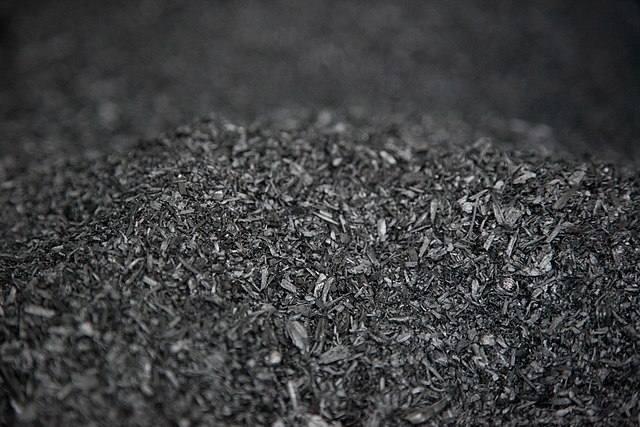
In the realm of sustainable practices, few innovations have captured the imagination quite like biochar and its profound applications in water filtration. Biochar, a carbon-rich material obtained through the pyrolysis of organic matter, is increasingly being recognized not merely as a soil amendment but as a potent tool for addressing water contamination. This marriage between ancient wisdom and modern engineering holds promise for resolving some of the most pressing challenges facing our environment today.
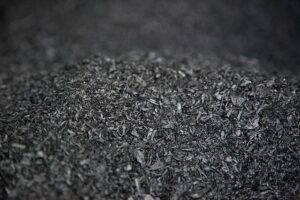
At the core of the fascination with biochar lies its remarkable structure. This lightweight, porous substance possesses an extensive surface area – often exceeding 1000 square meters per gram. This unique characteristic allows biochar to effectively adsorb a wide range of contaminants, including heavy metals, pathogens, and organic pollutants, from water. Thus, its utility in water filtration extends into realms once thought achievable only through complex and costly chemical processes.
The ancient civilizations of the Amazon Basin, as well as various indigenous cultures globally, practiced a form of carbon sequestration long before the term gained traction. They created terra preta, or “black earth,” through the incorporation of charcoal into soil, enhancing both fertility and moisture retention. Understanding this historical context not only deepens our appreciation for biochar but also connects our current environmental challenges to millennia of human ingenuity.
Biochar filters harness this storied legacy, transforming the way we approach water purification. By integrating biochar into existing filtration systems, we can address not just the symptoms of water pollution but also some of its underlying causes. Heavy metals such as lead and arsenic, when absorbed by biochar, become immobilized, rendering them less bioavailable. In effect, biochar acts as both a sponge and a shield, capturing contaminants before they can affect ecosystems and human health.
One of the most compelling aspects of using biochar in water filtration is its capacity for providing an ecological solution that promotes sustainability. Conventional water treatment methods often rely on chemical coagulants and synthetic adsorbents; however, these can introduce additional toxins into the environment or become ineffective over time. Biochar, derived from waste biomass, represents a circular economy model – utilizing materials that would otherwise contribute to landfill overflow while producing a valuable product that cleans our water.
Beyond just contamination removal, biochar enhances the resilience of aquatic systems. The microbial colonization that naturally occurs on biochar’s porous surface can lead to an increase in biodiversity within a water body. This rich microbial community plays an essential role in breaking down organic pollutants and providing nutrients that support the overall ecosystem health. Therein lies a deeper intrigue: biochar does not merely act as a passive filter; it catalyzes a more vibrant aquatic environment.
Nevertheless, it is essential to address some limitations and challenges associated with biochar water filtration. The effectiveness of biochar can vary significantly based on its feedstock and production conditions. Different biomass sources produce biochars with distinct physical and chemical properties that affect adsorption capacity. Thus, selecting the appropriate type of biochar for specific contaminants is crucial. This aspect invokes a sense of scientific curiosity and underscores a deeper layer of complexity in biochar applications.
Moreover, while biochar may capture certain contaminants effectively, its capacities are not omnipotent. Research continues to evolve in understanding how to optimize its performance and adapt it to a wider variety of contaminants, particularly emerging pollutants like pharmaceuticals and personal care products. Preventing water contamination at the source remains equally critical; biochar should be part of a multifaceted strategy rather than a standalone solution.
The integration of biochar into decentralized water treatment systems also fosters community engagement and education. These systems can be implemented at local levels, enabling individuals to take an active role in safeguarding their water resources. By harnessing what might be deemed waste, communities can work together toward cleaner, safer water, weaving a narrative of resilience and empowerment.
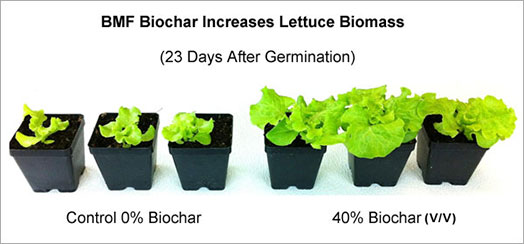
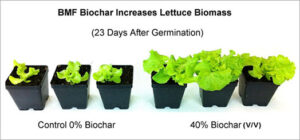
As we delve deeper into the concept of biochar, we begin to appreciate its interplay with natural systems. When used wisely, biochar can improve soil health, enhance crop yields, and sequester carbon, leading to synergistic benefits for both agriculture and water quality. This interconnected web of benefits invites a broader contemplation of how our actions affect the world around us, nudging us to reconsider our approach to environmental stewardship.
In concluding this exploration of biochar and its role in water filtration, it becomes evident that our fascination with this ancient material is not merely due to its capacity to purify water. It is intertwined with a deep-seated hope for a sustainable future, a desire to reconnect with the Earth’s natural cycles, and an eagerness to embrace innovative, ecological solutions. As research continues to unveil the secrets of biochar and its myriad applications, the potential it holds for advancing water filtration and promoting a healthier planet remains tantalizingly within reach.