In the realm of sustainable agriculture and environmental stewardship, biochar emerges as an intriguing elixir—a potent soil amendment with a remarkable capacity for water retention. Think of biochar as a sponge, intricately woven from the remnants of organic matter, ready to soak up the water that sustains life. This dual-natured material, born from the ancient practice of pyrolysis, has garnered attention for its role in enhancing soil health, improving agricultural productivity, and combating climate change.
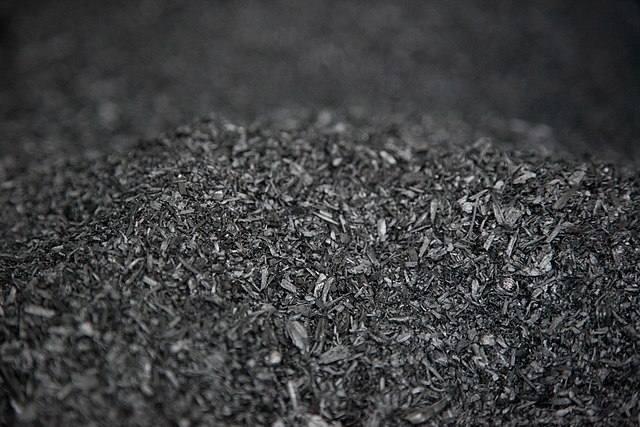
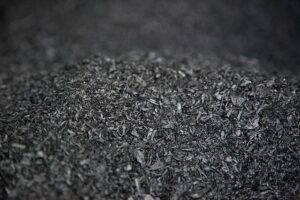
At its essence, biochar is carbon-rich charcoal produced through the thermal decomposition of organic material in low-oxygen environments. This transformative process not only creates a stable form of carbon but also imbues biochar with unique physical and chemical properties that contribute to its water retention capabilities. When introduced into the soil, biochar can increase soil moisture by enhancing porosity and creating microhabitats where water can reside, analogous to a network of tiny reservoirs nestled within the earth.
One of the primary reasons for biochar’s effectiveness in retaining water lies in its porous structure. Each particle of biochar possesses an extensive surface area—many times greater than that of traditional soil—enabling it to capture and hold water molecules. The interconnected voids create a home for water, akin to an elaborate web spun by a master silk-weaver. This structure not only allows for the accumulation of water but also fosters the retention of essential nutrients, providing a symbiotic relationship between hydration and nourishment.
Moreover, the benefits of biochar extend beyond its capacity for water retention. The incorporation of biochar into agricultural practices can significantly reduce the frequency of irrigation, which is a tantalizing prospect in an era marked by diminishing freshwater resources. By bolstering soil moisture levels, biochar enables crops to thrive with less water, alleviating the stress on water bodies and surrounding ecosystems. Farmers wielding biochar can be likened to adept musicians, skillfully orchestrating the delicate balance between crop yield and resource conservation.
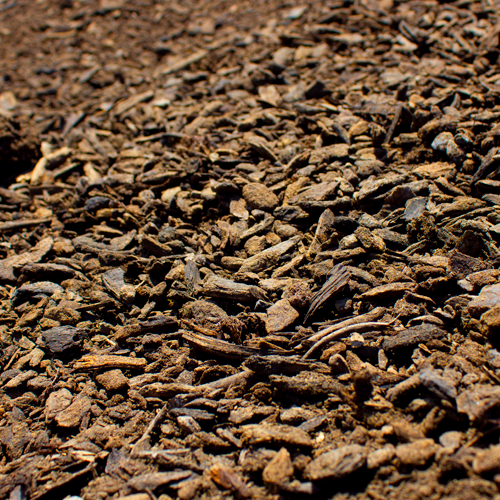
However, not all biochars are created equal. The feedstock from which biochar is derived plays a pivotal role in determining its properties. Wood chips, crop residues, and even animal manures can serve as raw materials, each imparting distinct characteristics to the final product. For instance, biochar produced from hardwood sources may offer higher carbon content and stability, while those from agricultural residues may deliver additional nutrients. The interplay of feedstock and production methods forms an intricate tapestry—one that must be understood in order to leverage biochar’s full potential in enhancing water retention.
The impact of biochar’s water retention abilities is particularly pronounced in arid and semi-arid regions, where soil faces the persistent challenge of moisture loss. Here, biochar acts as an oasis—a sanctuary for water that bolsters the resilience of soils against drought conditions. As climate change increasingly manifests in erratic weather patterns and prolonged dry spells, the role of biochar becomes even more critical. It not only enriches the soil but also fortifies it against the forces of nature, acting as a safeguard in the fight against food insecurity.
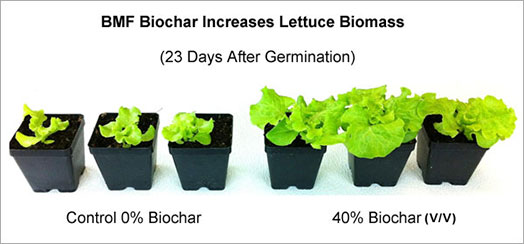
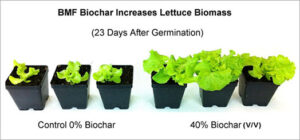
Adopting biochar into farming practices represents a harmonious marriage of ancient wisdom and modern science. While civilizations have harnessed the power of charcoal for millennia, contemporary research continues to illuminate its myriad advantages. Studies have demonstrated that fields enriched with biochar can see increased yields, healthier plant growth, and improved soil structure—benefits that reverberate through entire food systems, enhancing the livelihoods of farmers and communities alike.
Yet, the allure of biochar extends beyond the agricultural sphere. Urban environments, often characterized by impervious surfaces that impede water infiltration, stand to gain substantially from its use as well. When mixed into the soil of city parks and green spaces, biochar can facilitate groundwater recharge and reduce surface runoff, mitigating the risk of urban flooding during heavy rainfall events. It transforms concrete jungles into verdant oases, nurturing life while simultaneously alleviating the burdens of climate-induced challenges.
Despite its myriad benefits, the path to widespread biochar adoption is fraught with challenges and misconceptions. Efforts to educate farmers, policymakers, and consumers about biochar must be coupled with adequate research and accessibility to ensure its potential is fully realized. With proper support, the once obscure concept of biochar can emerge as a beacon of hope—a sustainable solution to a plethora of contemporary issues, from agricultural resilience to urban sustainability.
In conclusion, biochar is not merely a soil amendment; it is a versatile and transformative agent with extraordinary water retention capabilities. Like a loyal guardian of the earth, it retains moisture, enriches soil, and fosters sustainable agricultural practices. As we continue to navigate the complexities of a changing climate and strive for food security, embracing biochar could hold the key to unlocking a future rich in resources and opportunities. By appreciating its intricate relationships with water, soil, and biodiversity, we place ourselves one step closer to a world where sustainability and prosperity coexist harmoniously.