Biochar has emerged as a focal point in the discussions surrounding sustainable agriculture and climate change mitigation. While much of the discourse highlights its benefits—such as improved soil fertility and carbon sequestration—there are significant drawbacks that merit critical examination. In this exploration, we unpack the multifaceted challenges associated with biochar, ranging from production to application, and delve into the broader ecological and socio-economic implications.
1. Energy-Intensive Production Processes
The production of biochar frequently necessitates the use of pyrolysis or gasification processes. These energy-intensive methods often rely on fossil fuels, leading to a paradox in sustainability. The initial energy input can significantly undermine the carbon-neutral credentials of biochar if the operational energy is sourced from non-renewable resources. Moreover, the emission of pollutants during these processes can contribute to air quality degradation, counteracting the climate benefits biochar purportedly offers.
2. Variability in Feedstock Quality
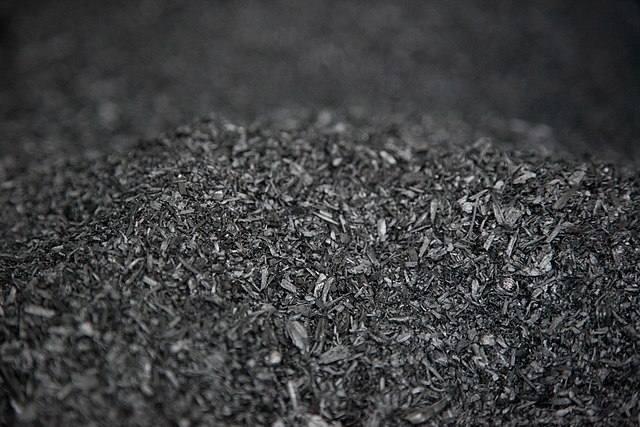
Biochar is not a homogenous product; its properties are heavily influenced by the type of feedstock used, as well as the conditions under which it is produced. For instance, agricultural wastes, forestry residues, and even municipal solid waste can all yield biochar, but each source possesses distinct physical and chemical characteristics. This variability can result in inconsistent performance when applied to soil. Some biochars may exacerbate soil acidification while others could potentially introduce harmful contaminants, making it paramount for users to conduct comprehensive analyses before application.
3. Limited Nutrient Availability
Another notable drawback of biochar is its often limited availability of nutrients needed for plant growth. While biochar can improve soil structure and increase microbial activity, it typically contains low concentrations of essential macronutrients such as nitrogen, phosphorus, and potassium. Consequently, relying solely on biochar in lieu of traditional fertilizers can lead to nutrient deficiencies, adversely affecting crop yields. This limitation may render biochar less attractive as a standalone solution, necessitating the need for additional fertilization inputs.
4. Potential for Contaminant Leaching
There is an inherent risk of contaminant leaching associated with biochar, especially when derived from feedstocks containing hazardous materials. If wood treated with preservatives or biomass contaminated with heavy metals is used, the resultant biochar can introduce these toxic substances into the soil and groundwater. This poses a serious environmental risk, particularly in regions where water sources are already under threat from contamination. Accordingly, sourcing feedstock from reputable and uncontaminated origins is imperative for mitigating this risk.
5. Socio-economic Concerns and Accessibility
The production and implementation of biochar may not be accessible for all farmers, particularly small-scale ones in developing regions. The upfront costs associated with biochar production equipment, along with the technical expertise required for efficient processing and application, could restrict its adoption. Furthermore, the market for biochar remains nascent, leading to potential inequalities in resource distribution. Those without access to the necessary financial or technological resources may be left behind in the global transition towards sustainable practices.
6. Efficacy in Diverse Soils
Biochar’s effectiveness can vary significantly across different soil types and climates. Research indicates that while biochar may enhance soil health in certain contexts, it can have an adverse or negligible effect in others. For instance, sandy soils may benefit from biochar’s water retention capabilities, whereas clayey soils could face hindrances related to aeration and drainage. Consequently, localized assessments are crucial to ensure that biochar is employed appropriately, avoiding blanket applications that may lead to disillusionment with its purported benefits.
7. Ageing Effects on Biochar
As biochar ages, its chemical properties and effect on soil may also change. The positive effects that biochar has shortly after application might diminish over time. This ageing process can lead to increased mineralization of carbon, threatening the long-term sequestration benefits. Regular monitoring and periodic reapplication may be necessary, which adds another layer of complexity and cost to biochar integration within agricultural systems.
8. Limited Research on Long-term Effects
Despite focusing on biochar’s potential advantages, there remains a lack of comprehensive research regarding the long-term implications of its use. While short-term studies demonstrate positive results, the sustainability of these benefits over multiple growing seasons remains unproven. This lack of long-term data complicates the decision-making process for farmers and policymakers alike, fostering skepticism among those who may view biochar as a viable tool in combating climate change.
9. Regulatory and Certification Challenges
Regulatory frameworks surrounding biochar production and application can be ambiguous or non-existent in many jurisdictions, resulting in inconsistent quality standards. Without established certification processes, the market may be flooded with subpar biochar products, endangering the reputation of biochar as a whole. Formal regulatory guidelines are essential for fostering safety and quality assurance, ensuring that the environmental benefits associated with biochar are realized consistently across applications.
Conclusion
While biochar presents a promising avenue for addressing some of the pressing challenges in sustainable agriculture and climate change mitigation, it is not without its drawbacks. The issues of energy-intensive production, feedstock variability, nutrient limitations, contaminant risks, socio-economic concerns, diverse soil efficacy, ageing effects, and regulatory ambiguity create a complex landscape that necessitates careful consideration. As investigations into biochar continue, it is critical for stakeholders to address these challenges constructively, ensuring that biochar can truly fulfill its potential while safeguarding environmental and agricultural integrity.