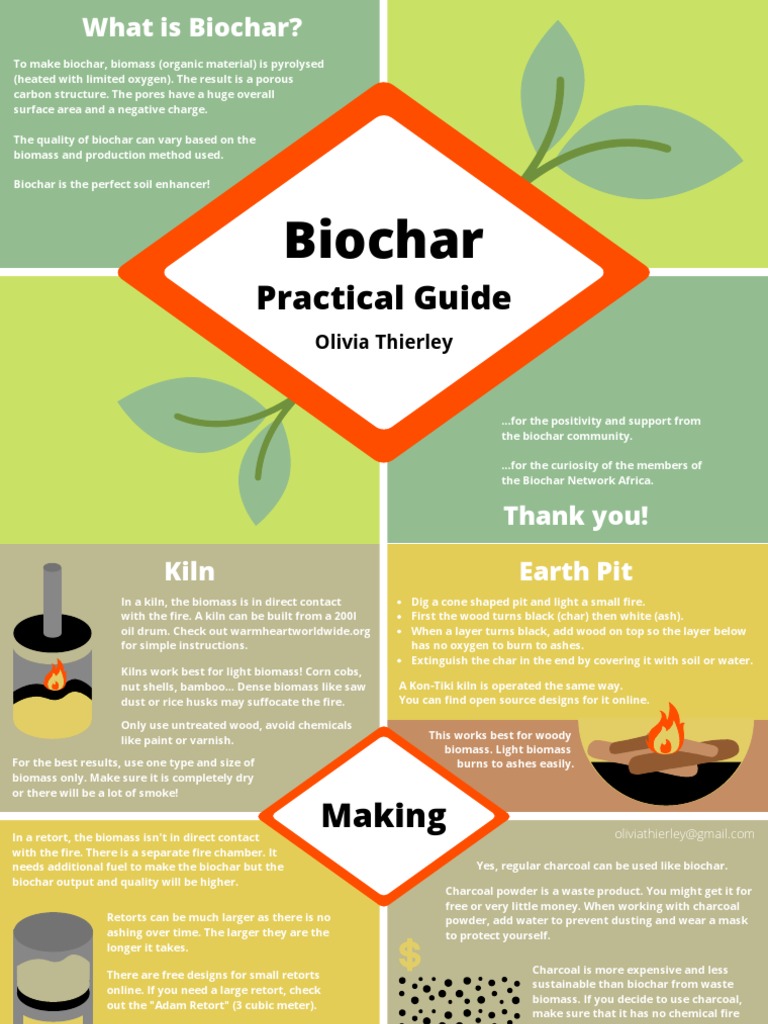
In the realm of sustainable materials, biochar has emerged as an intriguing contender, captivating the attention of environmentalists, farmers, and researchers alike. But what is biochar, exactly? This in-depth exploration dives into the multifaceted characteristics of biochar, elucidating its production methods, environmental advantages, uses in agriculture, and more. Buckle up for a comprehensive journey into the world of biochar.
Understanding Biochar
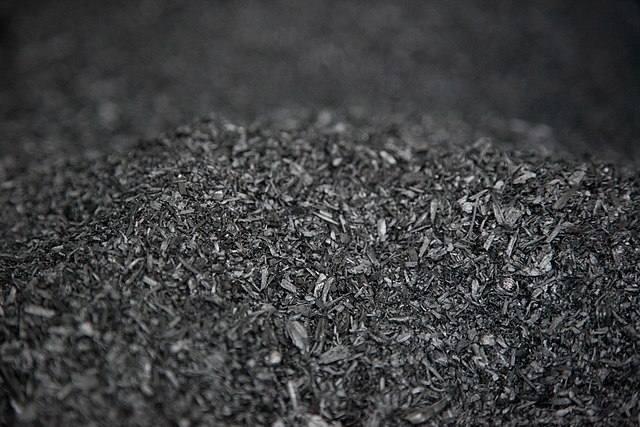
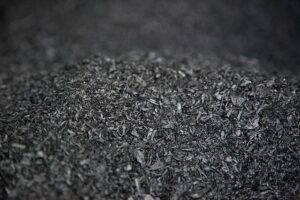
Biochar is a carbon-rich material produced through pyrolysis, a thermochemical process that decomposes organic matter at high temperatures in a low-oxygen environment. This innovative technique transforms biomass—such as wood chips, agricultural residues, or even organic waste—into a stable form of carbon that can be sequestered in the soil for centuries. Essentially, biochar acts as a longevity-based method of carbon storage, storing carbon that would otherwise be released into the atmosphere as CO2.
The Production Process of Biochar
There are several methods of producing biochar, each eliciting unique properties and applications. The most common techniques include:
- Pyrolysis: This is the primary method employed to produce biochar. As mentioned previously, it involves heating organic material in the absence of oxygen. This process not only yields biochar but also generates syngas and bio-oil, which can be utilized for energy and fuel.
- Gasification: Similar to pyrolysis but distinct in that it involves a controlled amount of oxygen, gasification produces biochar alongside gases that can be used for power generation.
- Open Burning: This less controlled method, although less efficient and more environmentally harmful, results in char formation alongside emissions. It is typically unregulated and can lead to significant air pollution.
Each of these methods can produce biochar with varying physical and chemical properties, impacting its effectiveness and suitability in diverse applications.
Environmental Benefits
One of the most compelling aspects of biochar is its potential to mitigate climate change. Here are several environmental benefits that make biochar a climate-smart material:
- Carbon Sequestration: Biochar’s primary function is to sequester carbon. By converting biomass into a stable form of carbon, it ensures that it remains trapped in the soil rather than returning to the atmosphere as a greenhouse gas.
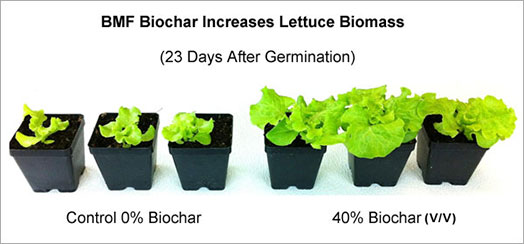
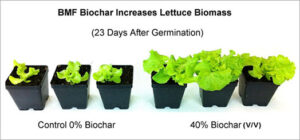
- Soil Fertility: Enhancing soil fertility is another significant advantage. Biochar improves nutrient retention, increases microbial activity, and enhances soil structure—leading to improved water retention and aeration.
- Waste Management: Using organic waste to produce biochar diverts materials from landfills, creating a productive use for what would otherwise be waste, thereby reducing methane emissions from decomposing organic matter.
- Water Quality Improvement: Biochar has been shown to decrease leaching of nitrogen and phosphorus into water bodies, thus decreasing water pollution and mitigating the risks of algal blooms.
Applications in Agriculture
Farmers and agronomists have begun to recognize the myriad ways biochar can be utilized in agricultural practices:
- Soil Amendment: Farmers can incorporate biochar into their fields to enhance soil health. The porous texture of biochar allows it to act like a sponge, retaining moisture and providing a habitat for beneficial soil microorganisms.
- Nutrient Management: Biochar’s ability to hold onto essential nutrients can lead to reduced fertilizer requirements, making it a cost-effective solution for nutrient leaching while fostering plant growth.
- Climate Resilience: Biochar can help crops withstand adverse weather, enhancing resilience to drought conditions and extreme temperatures through improved soil moisture and nutrient availability.
- Livestock Farming: Utilizing biochar in livestock bedding can improve manure management, reducing odors while enhancing the nutrient content of manures that are later utilized as fertilizers.
Challenges and Considerations
While the advantages of biochar are compelling, it is essential to acknowledge the challenges and considerations associated with its use:
- Production Costs: Depending on the feedstock, setup requirements, and operational efficiencies, producing biochar can range from being cost-effective to prohibitively expensive for some farmers.
- Quality Variability: The properties of biochar can vary significantly based on the feedstock and production method. It is essential to select the right type of biochar that aligns with specific soil and crop needs.
- Regulatory Barriers: In many regions, the lack of regulations surrounding biochar production and use may hinder widespread adoption, potentially impacting its perceived legitimacy.
- Market Awareness: Education and awareness surrounding biochar are still evolving. Farmers and land managers must be informed about its benefits and applications to integrate it successfully into their practices.
Future of Biochar
As global awareness of climate change escalates, biochar is positioned to play a pivotal role in sustainable practices. Innovations in technology and increasing research funding could lead to advancements in biochar production, making it more efficient, cost-effective, and widely adopted. Collaborative initiatives among governmental, academic, and private sectors may spur the commercialization and standardization of biochar practices, facilitating its integration into both agricultural and environmental strategies.
In conclusion, biochar stands out as a promising climate-smart material with immense potential to transform current agricultural practices while contributing to climate change mitigation. With increased research, policy support, and public engagement, biochar could be a cornerstone of a sustainable future.