In an era where waste management and sustainability have never been more pressing, the emergence of advanced technologies continues to capture the attention of environmentalists and industrialists alike. One such noteworthy innovation is the skid-mounted pyrolysis plant. This compact, versatile, and efficient system provides an alluring solution to waste disposal challenges while simultaneously generating valuable resources. In this article, we delve into the intricacies of skid-mounted pyrolysis plants, uncovering their advantages, applications, and the underlying reasons for their growing popularity.
Understanding Pyrolysis: The Fundamental Process
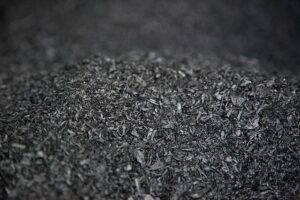
At its core, pyrolysis is a thermochemical decomposition of organic materials through the application of heat in the absence of oxygen. This process is pivotal in converting various waste materials into useful products such as bio-oil, charcoal, and syngas. The inherent beauty of pyrolysis lies in its ability to mitigate environmental issues while simultaneously harnessing energy and raw materials from waste streams.
What Is a Skid-Mounted Pyrolysis Plant?
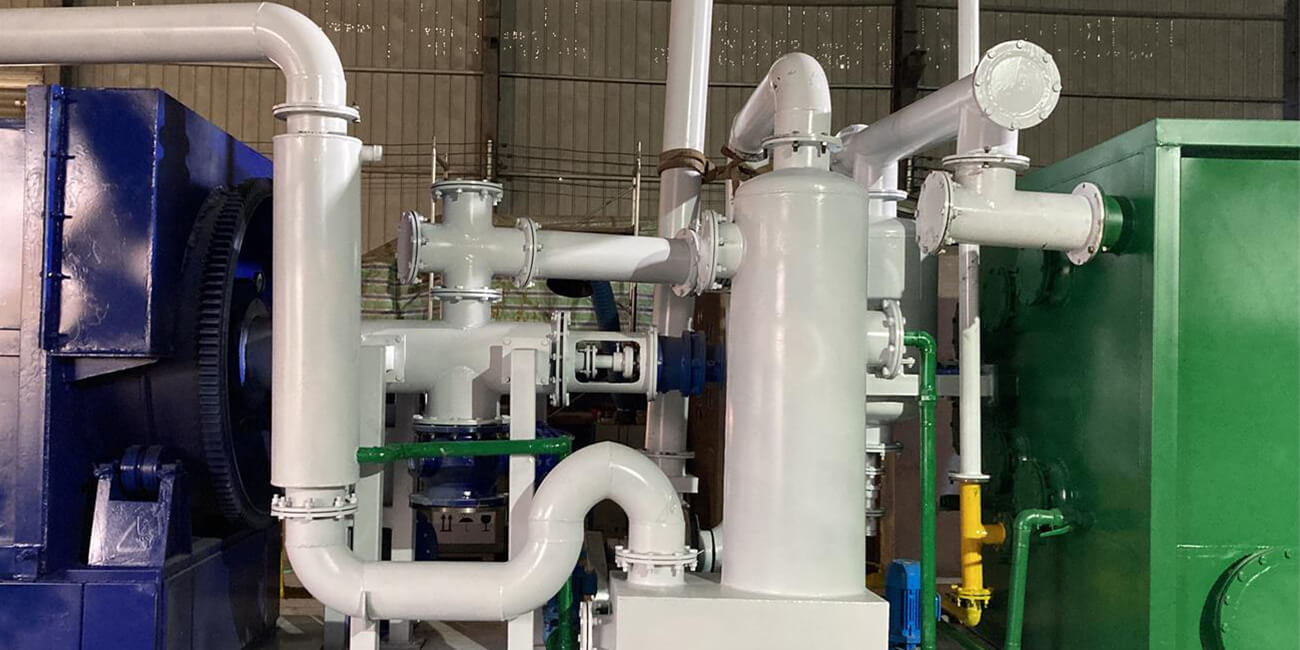
A skid-mounted pyrolysis plant is a modular unit designed for easy transportation and installation. The term “skid-mounted” refers to the design that allows the entire setup to be mounted on a single skid or platform, facilitating mobility and minimizing the space required for operation. Equipped with integrated components, these plants typically include reactors, condensers, and filtration systems, allowing for a seamless transition from waste feedstock to end products.
The compact nature of these plants makes them an attractive option for industries where space constraints are a significant consideration. Moreover, their modular design permits scalability to suit different operational needs, which is a considerable advantage in today’s ever-evolving market landscape.
The Advantages of Skid-Mounted Pyrolysis Plants
The allure of skid-mounted pyrolysis plants is augmented by an array of compelling advantages:
- Mobility: One of the primary benefits of a skid-mounted design is its portability. Industries can easily relocate the plant based on operational demands or site-specific requirements. This flexibility is invaluable for businesses operating in dynamic environments.
- Space Efficiency: The compact design allows the skid-mounted pyrolysis plant to fit into locations with limited space without compromising functionality. This is especially advantageous for urban settings where real estate is at a premium.
- Rapid Setup and Deployment: With pre-fabricated components, these plants can be installed and operational in a fraction of the time compared to traditional pyrolysis facilities. This agility leads to minimal downtime and faster return on investment.
- Environmentally Friendly: The cornerstone of pyrolysis technology is its capacity to convert waste into valuable resources, reducing the volume of landfill-bound material and curtailing hazardous emissions. This aligns with global sustainability goals.
- Production of Valuable Resources: Through the pyrolysis process, a range of products including syngas and bio-oil can be generated, which have myriad applications in various industries. This not only creates an additional revenue stream but also promotes circular economic practices.
- Operational Autonomy: Skid-mounted systems often come equipped with advanced monitoring and control systems, enabling facility operators to maintain optimal performance and identify potential operational issues before they escalate.
Applications of Skid-Mounted Pyrolysis Plants
The versatility of skid-mounted pyrolysis plants allows them to be employed in diverse settings, enhancing their appeal:
- Waste Management Facilities: These plants serve as a critical component in waste-to-energy operations, helping to convert municipal solid waste, agricultural residue, and various plastics into usable energy and materials.
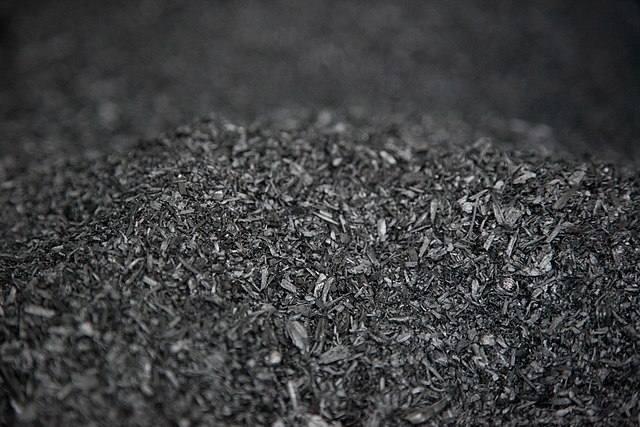
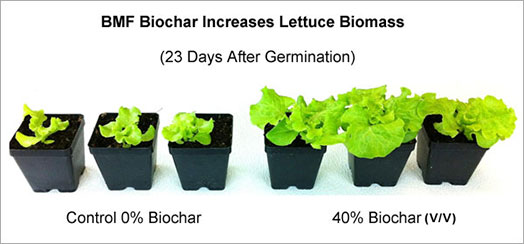
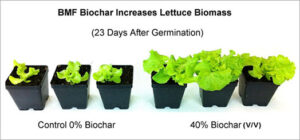
- Agricultural Sector: In agricultural settings, skid-mounted pyrolysis plants can transform crop residues and animal waste into biochar, enhancing soil fertility and promoting sustainable farming practices.
- Industrial Applications: Industries generating substantial amounts of organic waste, such as food processing, can utilize skid-mounted pyrolysis to mitigate waste issues while deriving energy from by-products.
- Research and Development: Universities and research institutions are adopting these modular plants to conduct experiments and develop new pyrolysis techniques, contributing to the advancement of the field.
- Remote Locations: The mobile characteristics of skid-mounted systems make them suitable for deployment in remote areas where traditional waste management solutions may be impractical.
Conclusion: A Step Towards Sustainability
The growing fascination with skid-mounted pyrolysis plants is informed by a convergence of environmental necessity, economic pragmatism, and technological innovation. As waste management challenges intensify globally, the importance of efficient and sustainable solutions has become undeniable. Skid-mounted pyrolysis plants exemplify this trend, merging ecological benefits with industrial viability.
While the advantages and applications are manifold, the true depth of their impact can be observed in the shift towards a more sustainable future. By transforming waste into valuable resources, these innovative systems not only alleviate the burdens of waste disposal but also pave the way for an economy that prioritizes recapturing valuable materials from society’s by-products. Thus, skid-mounted pyrolysis plants stand as a beacon of hope in the ongoing quest for environmental sustainability and smart resource management.