In the grand tapestry of sustainable agriculture, biochar threads its way like a finely woven fabric, representing a transformative approach to soil management and carbon sequestration. This intriguing substance, born from the pyrolysis of organic material, bridges the worlds of waste management and regenerative farming. Let us delve into the intricacies of biochar, unraveling its myriad uses and compelling benefits, while equipping you with a practical guide for integration into your growing practices.
Understanding Biochar: The Essence of the Matter
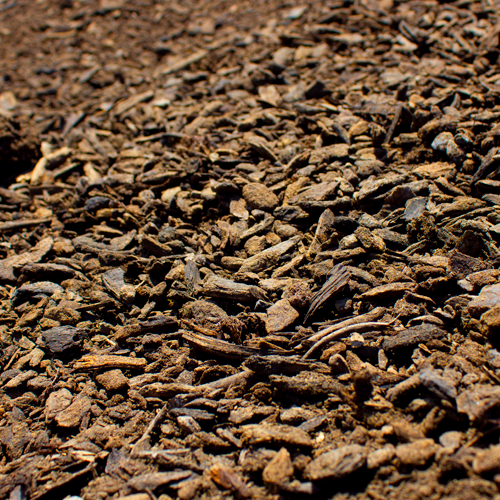
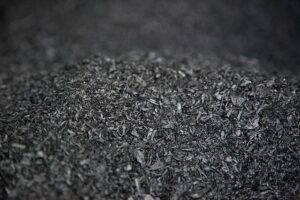
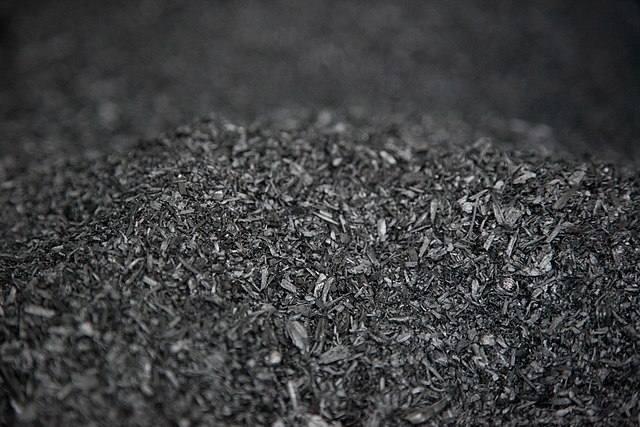
At its core, biochar is a carbon-rich byproduct created through the anaerobic decomposition of organic matter—often agricultural waste—at high temperatures. Think of it as the phoenix, rising from the ashes of discarded materials, embodying a sustainable solution to myriad environmental challenges. Unlike traditional compost, biochar boasts a complex porous structure, which magnifies its benefits for soil health and ecology.
This enduring substance can be likened to a sponge—its myriad pores provide ample real estate for soil microorganisms, nutrients, and water retention. It stands as an ally to farmers, offering a range of benefits that promise to enrich both soil and crop yield.
The Scientific Alchemy: How Biochar Works
To appreciate the nuances of biochar, one must first understand its transformation process. Through pyrolysis, organic materials such as wood chips, agricultural residues, and even animal manure are combusted in a low-oxygen environment, producing biochar along with bio-oil and syngas. This process not only sequesters carbon in a stable form but also reduces greenhouse gas emissions traditionally associated with organic decay.
Once introduced to the soil, biochar operates in several remarkable ways. Its porous structure enhances microbial activity, providing habitats for beneficial organisms that contribute to nutrient cycling. This feature significantly improves soil fertility and health over time. Moreover, biochar helps mitigate soil acidity, enriches nutrient retention, and enhances water-holding capacity, acting as a reservoir that supports plant roots during dry spells.
The Garden’s Catalyst: Benefits of Using Biochar
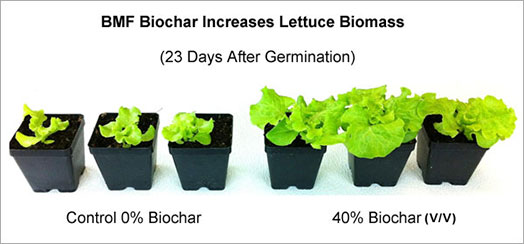
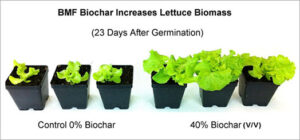
The advantages of biochar extend beyond mere soil improvement. Incorporating biochar into your growing regimen can amplify yields and promote healthier plants. Here are some of the standout benefits:
- Nutrient Retention: Biochar’s unique porous structure allows it to retain nutrients such as nitrogen, phosphorus, and potassium, slowly releasing them as plants demand. This reduces the need for chemical fertilizers, thus lowering costs and environmental impact.
- Enhanced Soil Structure: The incorporation of biochar improves soil aeration and drainage, creating a conducive environment for root development. This cultivar-friendly environment enables plants to flourish with fewer obstacles.
- Water Conservation: Biochar acts like a water reservoir in the soil, retaining moisture that is often lost through evaporation. This trait is particularly crucial in drought-prone areas, offering a sustainable solution to water scarcity.
- Carbon Sequestration: Serving as a long-term carbon storage solution, biochar can sequester carbon for hundreds to thousands of years, playing a vital role in combatting climate change by reducing atmospheric CO2 levels.
Integrating Biochar into Your Practices
As you embark on the journey of incorporating biochar into your garden or farm, it is imperative to understand its optimal application. Here are several practical methods to consider:
1. Soil Amendment: Biochar can be mixed directly into the soil to improve its structure and fertility. Aim for a biochar mixture of about 5% to 10% of total soil volume. However, too much can have adverse effects, so moderation is key.
2. Biochar Tea: Infuse biochar with microbial inoculants or other nutrient-rich solutions to create a ‘biochar tea.’ This concoction can be applied as a foliar spray or soil drench, boosting microbial activity and nutrient availability.
3. Combining with Compost: Amending your compost with biochar can enhance its effectiveness. The combination amplifies nutrient retention and microbial diversity, ultimately yielding a richer compost product beneficial for plant growth.
4. Potting Mix: For container gardens, blending biochar into potting soil can provide a sustained release of nutrients and moisture, creating an optimal environment for potted plants.
5. Cover Crop Residue Management: After harvesting cover crops, incorporating the residues with biochar can facilitate nutrient cycling and improve soil organic matter without the loss of nutrients.
Challenges and Considerations
Additionally, the source of the raw materials for biochar production must be evaluated for contaminants. The cleanest practices involve using pure biomass free from pesticides and herbicides, aligning with the overall ethos of sustainable farming.
Final Thoughts: A Sustainable Legacy
The integration of biochar embodies a holistic approach to agriculture—one that transcends linear thinking and embraces circular economies. As we move towards sustainable farming practices, biochar stands as a testament to human ingenuity that can yield a greener future for generations to come. Cultivating with biochar is not merely a trend; it is a commitment to nurturing our planet while fostering bountiful harvests. With proper understanding and application, the journey towards thriving crops and rejuvenated soils is well within reach.