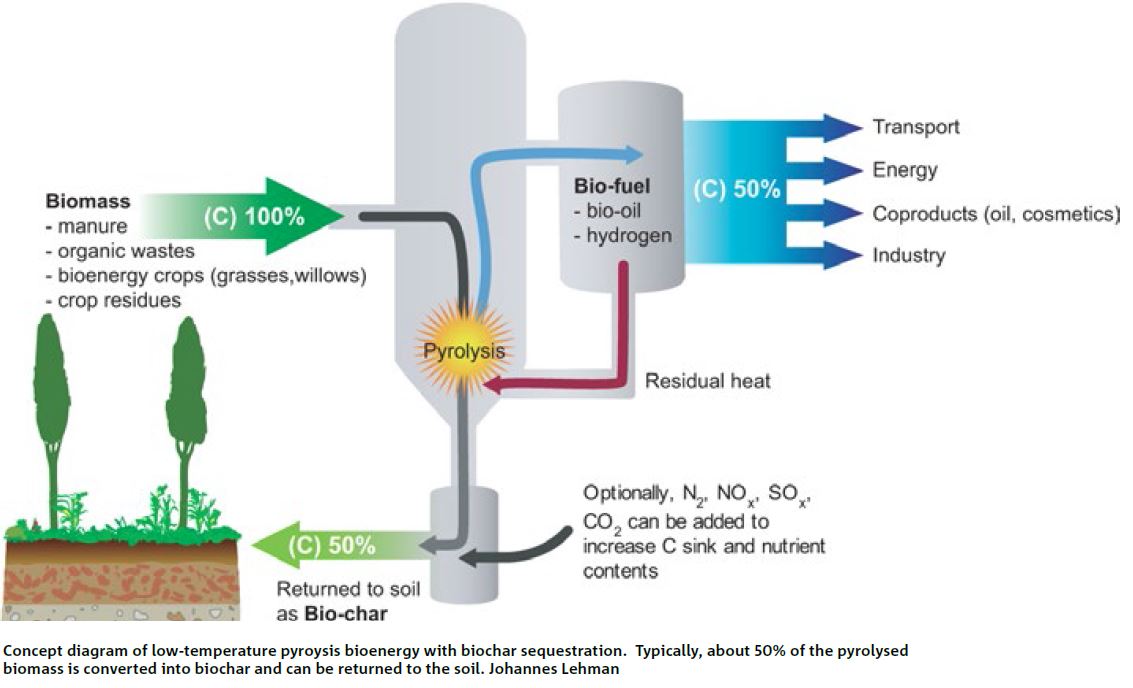
Pyrolysis is a fascinating thermochemical process that has garnered attention for its remarkable ability to transform organic materials into valuable products. From agricultural waste to forestry residues, pyrolysis takes the abundance of biomass and converts it into biochar, a stable form of carbon that has numerous applications in agriculture, water purification, and carbon sequestration. This article delves into the intricate science behind pyrolysis and the innumerable benefits of biochar, presenting a thorough investigation into this innovative technology.
Understanding Pyrolysis
At its core, pyrolysis is the decomposition of organic material through the application of heat in the absence of oxygen. This process initiates at elevated temperatures, typically ranging between 300°C and 700°C, precipitating a series of complex chemical reactions that yield solid, liquid, and gaseous products. The lack of oxygen is crucial; by excluding it, the risks of combustion are mitigated, allowing for the formation of biochar instead of ash. Pyrolysis can be broken down into three key stages: drying, pyrolytic decomposition, and product cooling.
The Stages of Pyrolysis
1. Drying: Initially, raw biomass contains significant moisture, which must be evaporated. This phase is necessary to prepare the material for efficient pyrolytic decomposition. The drying process occurs at lower temperatures and sets the stage for the subsequent stages to occur effectively.
2. Pyrolytic Decomposition: As the temperature rises, the biomass begins to break down chemically. This is a vital phase where complex organic compounds decompose into simpler molecules. The extent of pyrolysis plays a critical role in determining the yield of biochar and the characteristics of the resulting products. Higher temperatures often result in more biochar and less liquid and gaseous byproducts.
3. Product Cooling: After the initial decomposition, the temperature of the products needs to be lowered to prevent further reactions. This cooling phase is essential to preserve the structural integrity of biochar, ensuring it retains its beneficial attributes.
The Chemistry of Pyrolysis
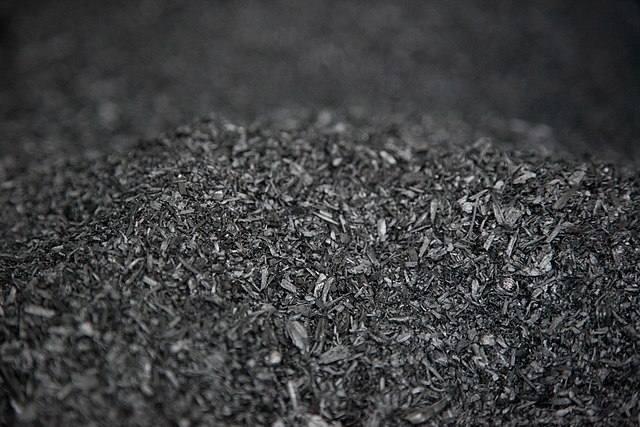
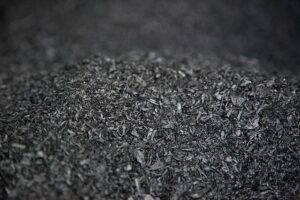
The pyrolysis process revolves around intricate chemical mechanisms. As biomass degrades, it produces volatiles—gases and vapors—along with the solid product, biochar. The composition of biochar can vary based on several factors, including the feedstock type, the pyrolysis temperature, and the heating rate. The primary components of biochar include carbon, ash, and various organic compounds such as phenolics and aromatic hydrocarbons.
Furthermore, the transformation of biomass during pyrolysis can be categorized into three types: fast pyrolysis, slow pyrolysis, and flash pyrolysis. Fast pyrolysis, characterized by rapid heating and short residence time, predominantly yields bio-oil and gas with lower biochar output. Slow pyrolysis, however, focuses on maximizing biochar production, making it particularly suitable for agricultural applications. Flash pyrolysis is a highly efficient approach designed to produce maximum liquid yields in a very brief time frame.
The Benefits of Biochar
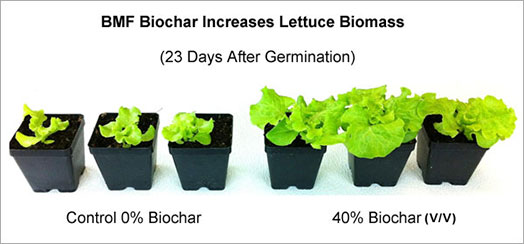
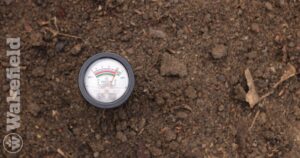
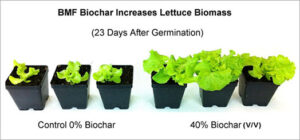
The emergence of biochar as a soil amendment has revealed numerous advantages that extend beyond simple agricultural enhancements. This carbon-rich material possesses unique properties that can significantly improve soil health. For one, biochar increases soil fertility by enhancing nutrient retention and promoting microbial activity. Its porous structure offers an ideal habitat for beneficial microorganisms, aiding in nutrient cycling and plant growth.
Moreover, biochar serves as an innovative solution for managing agricultural waste, thereby mitigating environmental impacts associated with biomass disposal. By converting biomass into biochar, the process sequesters carbon that would have otherwise been released into the atmosphere as CO2 during decomposition or combustion. This carbon capture capacity of biochar positions it as a valuable tool in the fight against climate change, acting as a long-term carbon storage medium.
Applications of Biochar
Biochar has a plethora of applications that extend beyond agricultural enhancement. One noteworthy use is in water purification. Its high surface area and absorptive properties allow biochar to retain various contaminants, including heavy metals, pesticides, and excess nutrients. This makes it a viable option for wastewater treatment systems, improving ecological sustainability.
Additionally, biochar can enrich composting processes, contributing to improved nutrient retention and reducing greenhouse gas emissions from compost piles. It has also found its niche in landscaping and erosion control, fortifying soil structures and promoting ecological resilience.
Challenges in Pyrolysis and Biochar Production
Despite its remarkable potential, there are challenges in the pyrolysis and biochar production processes. One significant hurdle is the variability in feedstock materials, which can lead to inconsistencies in biochar properties. Understanding the specific characteristics and composition of feedstock is vital for optimizing pyrolysis conditions and ensuring high-quality biochar outputs.
Another challenge relates to scale and economics. Developing pyrolysis systems that are both efficient and cost-effective is pivotal for broad adoption. Challenges in financing, technological advancements, and market acceptance all play critical roles in determining the viability and scalability of pyrolysis technologies.
The Future of Pyrolysis and Biochar
As the global community increasingly recognizes the threat of climate change, the significance of pyrolysis and biochar becomes ever clearer. With ongoing research aimed at improving production methods and expanding applications, the potential of biochar as a sustainable solution for carbon sequestration, soil improvement, and waste management continues to evolve. Pyrolysis stands poised to play a pivotal role in sustainable practices, catalyzing the transition towards a more circular economy.
In conclusion, the science of pyrolysis opens the door to a myriad of possibilities. By transforming biomass waste into valuable biochar, this innovative process not only enhances agricultural productivity but also offers a profound solution for mitigating environmental concerns. The journey of pyrolysis, from raw biomass to a sustainable resource, epitomizes a promising stride towards a responsible and ecologically balanced future.