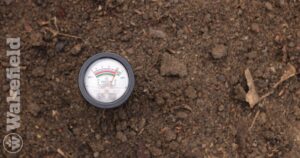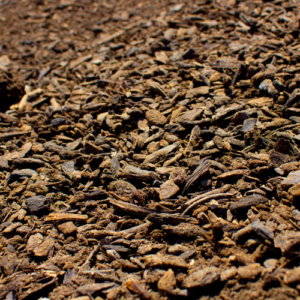
Terra Preta Soil, often referred to as “black earth,” is an enigmatic resource found in the Amazon Basin. Its origins and properties have ignited fascination among scientists, agriculturalists, and environmentalists alike. This article embarks on a profound exploration of Terra Preta, delving into its formation, characteristics, benefits, and broader implications for modern agriculture.
1. Understanding Terra Preta: A Historical Context
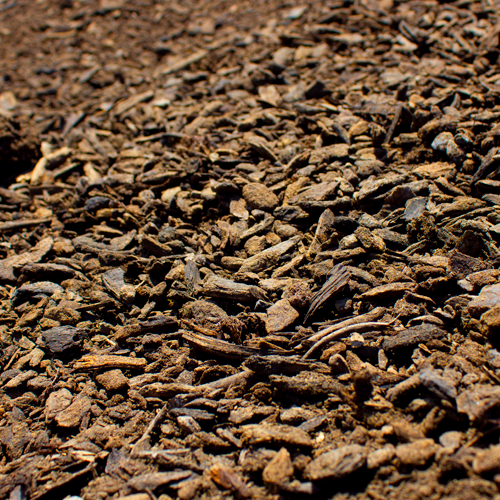
Terra Preta is not a naturally occurring soil type; instead, it is an anthropogenic creation, believed to have been developed by indigenous populations over thousands of years. The genesis of this fertile soil is attributed to the meticulous integration of organic materials—such as charcoal, manure, and waste—deliberately blended into the otherwise nutrient-poor soils of the Amazon Rainforest. The primary objective behind this ingenious practice was to cultivate crops effectively in an environment otherwise challenging for agriculture. This practice is a testament to the sophisticated agricultural knowledge exhibited by pre-Columbian Amazonian societies.
2. The Mysterious Composition of Terra Preta
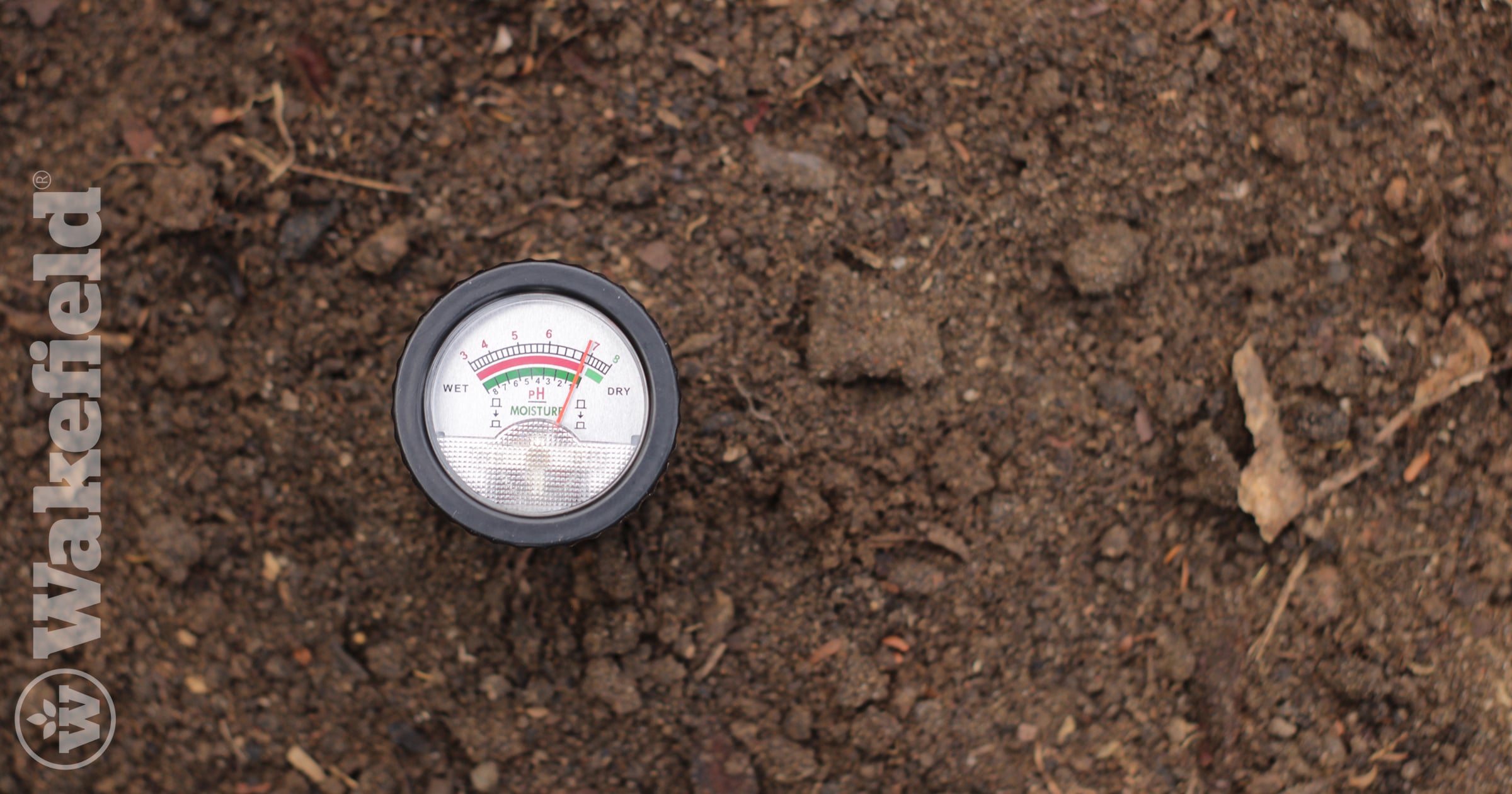
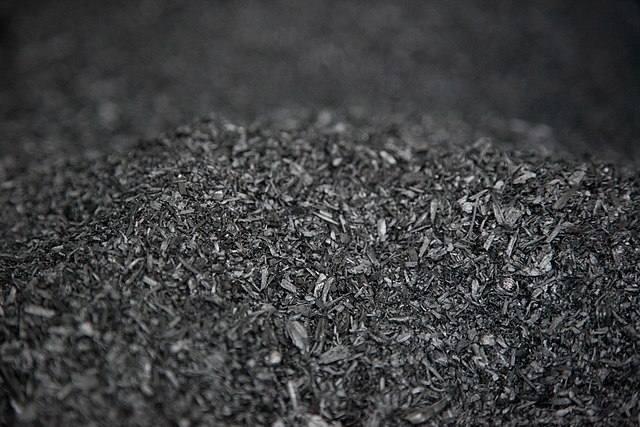
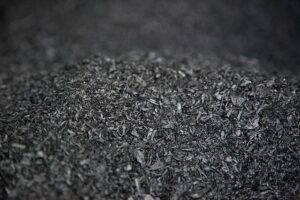
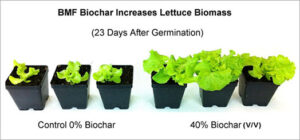
The hallmark of Terra Preta is its rich composition. This soil boasts a unique combination of carbon, nutrients, and microbiological activity that sets it apart from surrounding soils. A significant proportion of its content derives from biochar, a stable form of charcoal produced through pyrolysis. Biochar not only enhances the soil’s ability to retain moisture and nutrients, but it also plays a crucial role in carbon sequestration, mitigating climate change. Furthermore, Terra Preta contains a diverse array of microorganisms that foster a thriving ecosystem essential for plant growth.
3. The Conservation of Nutrients: An Agricultural Marvel
One of the most compelling features of Terra Preta is its extraordinary capacity for nutrient retention. In contrast to conventional soils that often suffer from leaching, Terra Preta’s structure allows it to hold onto essential nutrients, making them available to plants over extended periods. This quality drastically reduces the need for synthetic fertilizers, making agriculture more sustainable. The high levels of phosphorus, potassium, and nitrogen found in Terra Preta further underscore its potential to revolutionize farming practices, particularly in regions battling soil degradation.
4. The Role of Microorganisms in Soil Health
The biological richness of Terra Preta cannot be overstated. The microorganisms residing within this soil significantly contribute to its fertility and resilience. These microbes, including bacteria, fungi, and protozoa, play pivotal roles in organic matter decomposition and nutrient cycling. Their interactions create a symbiotic environment, promoting healthier plant growth. Moreover, the vibrant microbial communities enhance disease resistance in crops, providing an ecological advantage that conventional farming methods often fail to replicate.
5. Biochar: The Soul of Terra Preta
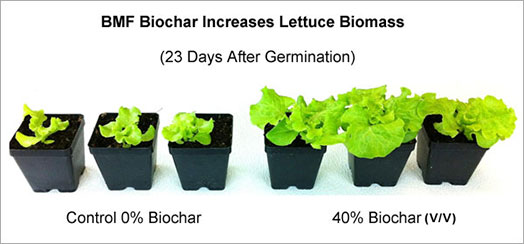
At the heart of Terra Preta’s prowess lies biochar, an integral component crafted from the slow pyrolysis of biomass. The introduction of biochar not only improves soil fertility but also promotes long-term carbon storage by sequestering carbon in a stable form, significantly reducing greenhouse gas emissions in the process. This synthesis of environmental stewardship and agricultural productivity makes biochar an invaluable substance in the quest for sustainable farming solutions. The production and application of biochar could potentially lead to a paradigm shift in how soil is managed globally.
6. Modern Applications and Agricultural Innovations
As the world grapples with food security and climate change, the insights gleaned from Terra Preta offer profound implications for contemporary agriculture. Researchers and agronomists are increasingly turning to terra preta-inspired methods to enhance soil fertility across various ecosystems. Agroecological approaches that mimic the principles of Terra Preta emphasize the integration of organic waste recycling, promoting sustainable practices while fostering biodiversity. Potential applications include urban agriculture, where the use of biochar could transform degraded urban soils into productive gardens.
7. The Socioeconomic Impact of Terra Preta
The exploration of Terra Preta extends beyond agronomy; it embodies a rich narrative of human ingenuity and its socio-cultural dynamics. Understanding how ancient civilizations adeptly manipulated their environment to cultivate nutrient-rich soils invites curiosity about contemporary human relationships with nature. The revival and emulation of Terra Preta’s principles could empower marginalized communities, enhance livelihoods, and bolster local food systems, laying the groundwork for sustainable socio-economic development.
8. Challenges and Controversies
Despite its numerous advantages, the integration of Terra Preta practices into modern agriculture is not without challenges. The process of producing biochar requires careful consideration of feedstock sourcing and methods to ensure sustainability. Additionally, there are debates surrounding the practicality of replicating Terra Preta at scale. Environmentalists caution against the potential ecological impacts of extraction and land-use changes necessary to generate biochar on a larger scale, necessitating a balanced approach to its widespread application.
9. A Vision for the Future
As we gaze into the future of agriculture, the lessons from Terra Preta remind us of the innate resilience of nature when appropriately harnessed. The potential to unlock broader understandings of sustainable practices and ecological balance beckons for greater research and exploration. A commitment to merging ancient wisdom with modern innovations may allow humanity to cultivate a future where agriculture thrives in harmony with the Earth, fulfilling both ecological and nutritional needs.
In conclusion, Terra Preta serves as an enduring symbol of the past’s ingenuity and a beacon of hope for future agricultural practices. Its unique composition, capacity for nutrient retention, microbial vitality, and implications for sustainable farming encapsulate a multifaceted narrative essential for understanding our relationship with soil, food security, and climate resilience.