Biochar is emerging as a beacon of sustainability, a transformative product tantalizingly poised at the intersection of agriculture, waste management, and carbon sequestration. This carbon-rich material, derived from thermochemical processes such as pyrolysis, is not merely a niche commodity; it is an innovation that could drastically shift perspectives on both farming practices and environmental stewardship. For curious consumers and conscientious farmers alike, the question arises: where can one procure this remarkable substance that promises to rejuvenate soils, capture carbon, and promote ecological balance?
To delve into the world of biochar purchases, it’s essential to understand its myriad applications. Farmers seeking to improve soil fertility, urban gardeners striving for sustainability, and eco-conscious consumers are all potential buyers. The demand for biochar continues to burgeon as communities become increasingly aware of its environmental benefits, making it imperative to explore not just where to buy biochar, but also what to look for when making a purchase.
Firstly, when considering where to purchase biochar, one can categorize vendors into several distinct types:
- Local Garden Centers: Many local gardening stores and nurseries have begun carrying biochar due to its rising popularity among environmentally-minded consumers. These centers often provide knowledgeable staff who can offer insights into the best type of biochar for specific plants and soils.
- Online Retailers: E-commerce platforms have significantly broadened the accessibility of biochar. Websites such as Amazon and specialized agricultural supply sites offer numerous brands, often accompanied by detailed specifications and customer reviews. This plethora of options allows buyers to compare products easily.
- Farm Supply Stores: Many agricultural supply chains have integrated biochar into their inventory, recognizing its beneficial impact on crop productivity. These stores typically cater to commercial farmers, but many sell to individual consumers as well, providing larger quantities at competitive pricing.
- Sustainable Agriculture Conferences: Attending such conferences can connect potential buyers with biochar producers. These events often feature workshops and exhibitions where local manufacturers showcase their products, and insightful discussions can facilitate informed purchasing decisions.
- Direct from Manufacturers: Numerous businesses specialize exclusively in producing biochar. Visiting the websites of these companies can yield benefits; many offer direct sales, bulk pricing, and quality guarantees. This option is ideal for those seeking specific types of biochar with tailored characteristics.
However, sourcing biochar goes beyond simply identifying where it can be found. Quality is paramount; potential buyers ought to consider several key factors when evaluating different products. Firstly, the source materials used to create the biochar can greatly influence its fertility and efficacy. Typically, biochar produced from hardwood sources offers more stable carbon content, enhancing its soil-amending properties.
Next, buyers should investigate the production methods employed. Technologies such as slow pyrolysis produce a higher-quality biochar while also ensuring it retains more nutrients. In contrast, other methods may result in the loss of critical minerals, which could ultimately undermine the product’s effectiveness. Transparency in production practices is indicative of a responsible producer.
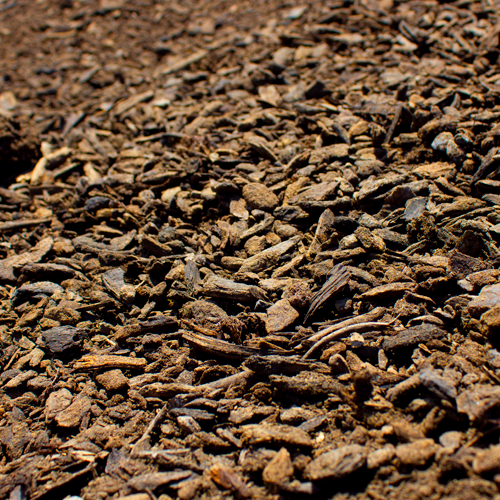
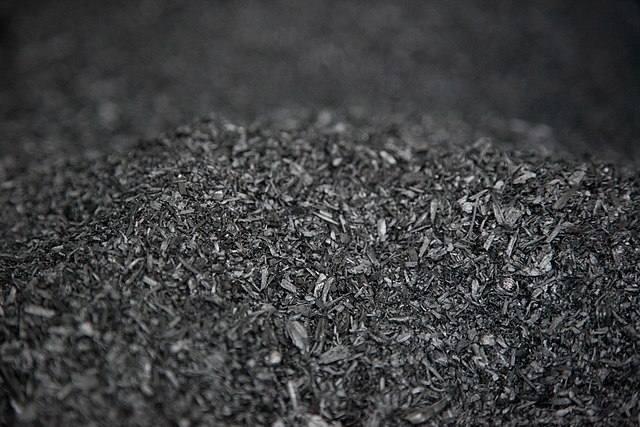
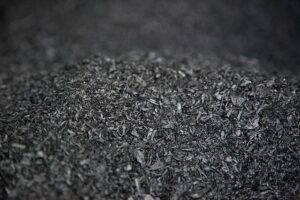
Another critical aspect to consider is the particle size and structure of the biochar. The ideal biochar should have a porous and lightweight composition, as this facilitates water retention and aeration of the soil. When browsing, take note of product descriptions that detail these characteristics – they are essential indicators of biochar’s potential benefit to plants.
As the biochar industry grows, so too does the opportunity for consumers to engage with local producers. Some regions have established ‘biochar hubs’ or cooperatives, which not only sell the product but also educate communities on its benefits and proper application methods. Purchasing biochar locally not only supports community economies but also reduces the environmental footprint associated with transportation.
Beyond the purchase, buyers can dive deeper into the world of biochar by using it creatively and effectively in their agricultural practices. Whether enriching the garden bed, enhancing compost, or amending pastures, the versatility of biochar opens up a realm of possibilities. Resourceful gardeners can even conduct their own biochar production through small-scale pyrolysis units, fostering a DIY spirit that not only enhances their sustainability practices but also deepens their connection to the material’s carbon-reducing properties.
The concept of biochar transcends mere purchasing; it embodies an ideology centered on environmental remediation and agricultural innovation. Preparing oneself adequately—understanding its benefits, how to apply it, and where to source it—empowers individuals to become active players in the global movement for sustainability. The pursuit of knowledge within this realm can evolve into a passion that conveys the urgency of the climate crisis while simultaneously presenting practical solutions.
In conclusion, navigating the landscape of biochar purchases is an intriguing journey ripe with environmental implications. From local garden centers to online marketplaces, the avenues for procurement are as varied as the applications of the product itself. As more individuals embrace their roles as stewards of the environment and cultivate their understanding of biochar, they contribute not only to their gardens but also to the broader conversation on sustainability. The shift in perspective inspired by this humble yet powerful material has the potential to spark curiosity in minds eager to explore the innovative realm of responsible consumption and ecological awareness.