Have you ever wondered how waste can be transformed into treasures? In a world grappling with sustainability challenges, the burgeoning field of biomass pyrolysis presents an intriguing opportunity for investment. While many may contemplate the profitability of such a venture, the rich potential embedded in biomass pyrolysis plants often goes overlooked. This article delves into why investing in these innovative facilities could yield dividends far exceeding expectations.
The Concept of Biomass Pyrolysis
At its core, biomass pyrolysis is a revolutionary thermal decomposition process that converts organic material into valuable products—biochar, bio-oil, and syngas—without the need for combustion. This process occurs under low oxygen conditions, allowing the organic material to break down into its fundamental components. As society continues to seek sustainable solutions, biomass pyrolysis stands as a beacon of progressive technology.
1. The Environmental Appeal
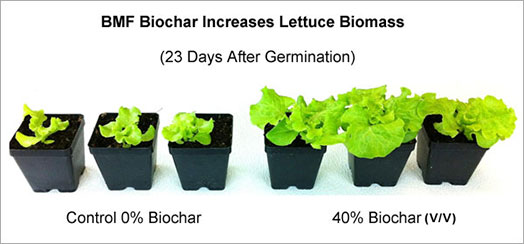
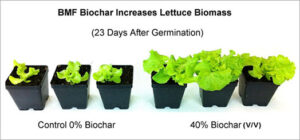
Investing in a biomass pyrolysis plant is fundamentally aligned with contemporary environmental directives. The relentless production of waste, especially from agricultural and forestry sectors, poses significant disposal challenges. Biomass pyrolysis not only mitigates waste but also contributes to carbon capture by sequestering carbon in the form of biochar—a soil amendment noted for enriching agricultural lands and enhancing plant growth. Therefore, the environmental benefits translate into a compelling narrative that resonates with today’s eco-conscious investors.
2. The Economic Incentives
One might pose the question: “Are the financial returns worth the initial investment?” The answer often lies in the multitude of revenue streams generated through biomass pyrolysis. Beyond the sale of biochar, bio-oil, and syngas, which serve diverse industrial applications, byproducts can also be utilized as precursors for fertilizers and renewable energy. As governments bolster renewable energy initiatives, financial incentives such as grants, subsidies, or favorable tax provisions can further enhance the profitability of investing in a biomass pyrolysis facility.
Moreover, the growing demand for sustainable products ensures that the market landscape is favorable. With a heightened focus on carbon neutrality, consumers and businesses alike are increasingly willing to invest in environmentally friendly alternatives, positioning biomass-derived products as market leaders.
3. Technological Advancements
Technological evolution in the biomass pyrolysis space has ushered in more efficient and environmentally friendly systems. Continuous research and development efforts have yielded reactors that maximize yield while minimizing emissions. The precision of modern pyrolysis technologies also reduces operational costs, facilitating faster return on investment. By embracing state-of-the-art equipment, investors can harness improved productivity levels and process efficiencies, all of which increase profitability.
4. Market Demand for Renewable Energy
The global shift towards renewable energy is unmistakable. As conventional fossil fuels become increasingly stigmatized, the biofuels derived from biomass pyrolysis emerge as viable alternatives. Bio-oil, with its potential to replace petroleum-based fuels in numerous sectors, stands at the forefront of this transformative movement. As countries strive for energy independence and resilience, the importance of investing in renewable energy sources cannot be understated. This growing energy consumption, combined with regulatory pushes to lower carbon emissions, has opened up expansive markets for products generated from biomass pyrolysis.
5. Diversification of Investment Portfolio
Ponder this: in an age where market volatilities and economic uncertainties loom large, how can investors safeguard their portfolios? Diversification remains a time-honored strategy, and incorporating a biomass pyrolysis plant represents a unique addition to this philosophy. Given the sector’s resilience in the face of economic fluctuations, those who invest can enjoy robust returns, bolster their sustainability credentials, and engage with a rapidly maturing industry.
6. Global Accessibility and Resource Availability
Biomass feedstocks are ubiquitous, ranging from agricultural byproducts to wood waste and industrial residues. The accessibility of raw materials means that investors can source energy-rich biomass locally, reducing logistical costs associated with transportation. This self-sufficiency can lead to greater profitability, as regional biomass availability often correlates with favorable market conditions for processing and production.
7. Engaging with Community and Societal Benefits
Investing in a biomass pyrolysis plant is not merely a financial venture; it is a way to engage with and uplift the community. By reducing waste and providing sustainable alternatives, these facilities can support local economies and foster job creation. As investments in green technology proliferate, communities benefit from the accompanying educational and innovative advancements, thereby enhancing the overall socioeconomic landscape.
The Challenges Ahead
Conclusion: Seizing the Opportunity
In conclusion, the question is not whether investing in a biomass pyrolysis plant is profitable, but rather how one can successfully harness its potential. With the convergence of environmental necessity and economic opportunity, it becomes increasingly clear that the benefits of engaging in this innovative field far outweigh the challenges. As the world looks toward a sustainable future, biomass pyrolysis stands as not just a profitable investment, but a pathway to a greener and more prosperous tomorrow.