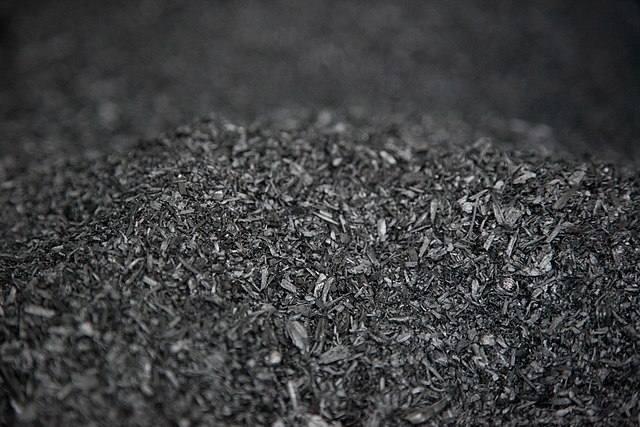
Biochar, a carbon-rich material produced from the pyrolysis of organic biomass, has captivated the attention of ecologists, agronomists, and farmers alike. It is lauded for its myriad beneficial properties, particularly its capacity to enhance soil fertility, sequester carbon, and ameliorate environmental degradation. However, despite these merits, the adoption of biochar in farming practices remains sporadic, hindered by a range of barriers, entrenched myths, and untapped opportunities. This exploration seeks to elucidate the complexities surrounding biochar’s integration into modern agricultural paradigms.
The Promises of Biochar
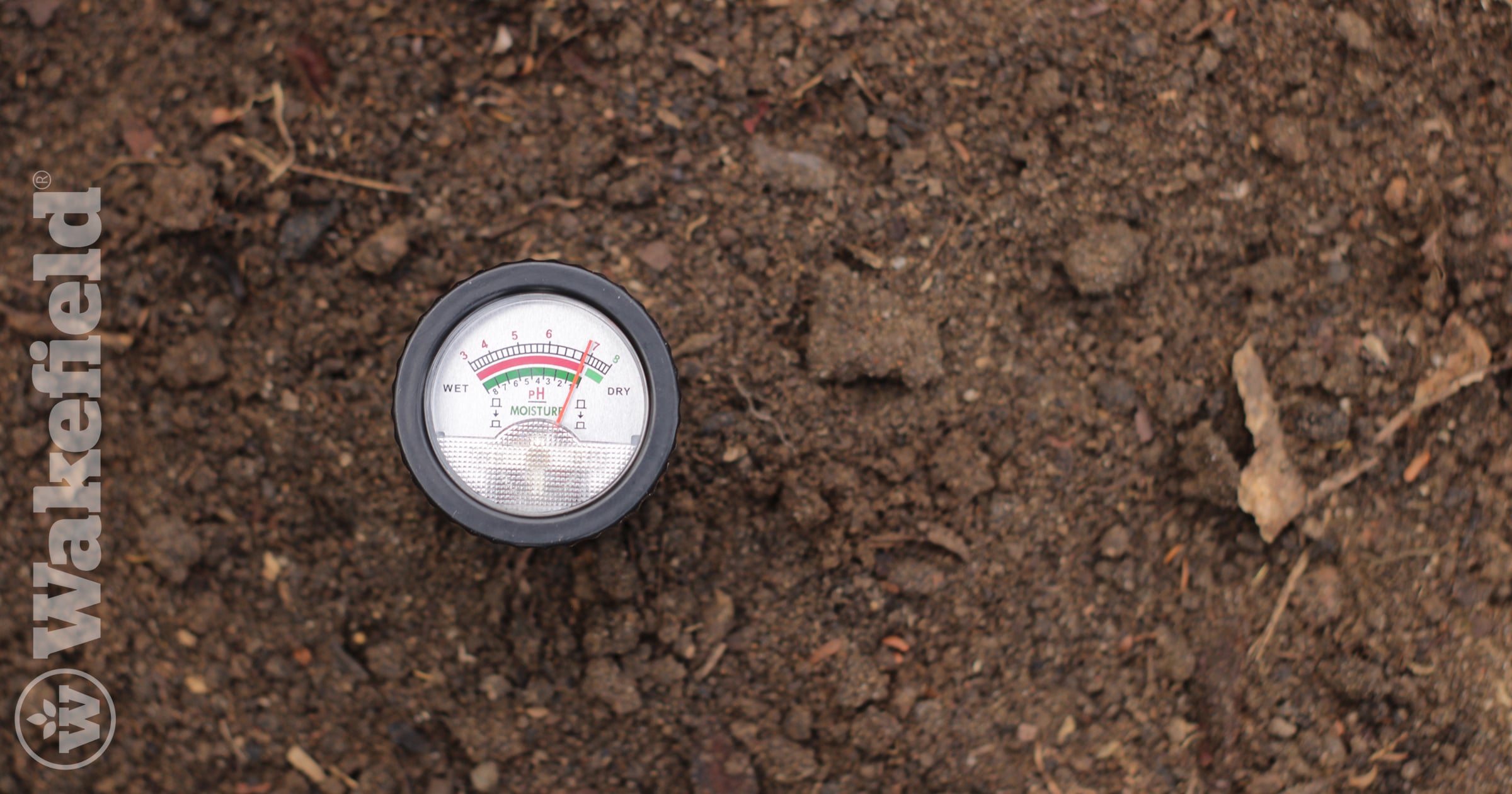
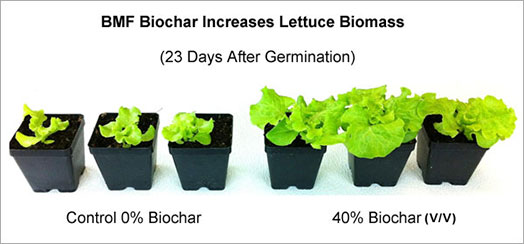
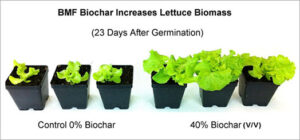
Biochar emerges as an intriguing solution to several pressing agricultural issues. First and foremost, its ability to improve soil health cannot be overstated. Biochar enhances soil structure, increasing aeration and water retention while also providing a habitat for beneficial microorganisms. Additionally, it can buffer soil pH, promoting a more conducive environment for crop growth. The capacity of biochar to retain nutrients reduces the need for chemical fertilizers, promoting a more sustainable approach to farming.
Furthermore, biochar’s role in carbon sequestration presents a compelling case for its wider adoption. By converting organic matter into a stable form of carbon, biochar minimizes the release of greenhouse gases and contributes to climate change mitigation. This dual functionality engenders a meaningful intersection between agriculture and environmental stewardship, inciting a shift in perspective among those concerned with sustainable land management.
Barriers to Adoption
Despite the evident benefits, a plethora of barriers obstruct biochar’s path to ubiquity in agricultural practices. One significant hindrance is the cost associated with production and application. The pyrolysis process, which transforms biomass into biochar, requires specialized equipment and energy. Smallholder farmers, who often operate on limited budgets, face difficulties in affording both the infrastructure and the initial investment needed for biochar production.
Moreover, the diverse quality of biochar can be a double-edged sword. The properties of biochar vary depending on the feedstock used and the pyrolysis conditions under which it is produced. This heterogeneity can lead to inconsistent results in soil improvement and crop yield. Farmers, understandably wary of adopting a product with such variation, may prefer to rely on traditional amendments that have known effects on their specific soil types.
Mistrust and Misconceptions
Another formidable barrier lies in the realm of perception. Mistrust and misconceptions about biochar can stymie its acceptance among farming communities. Some farmers may be skeptical of the scientific data supporting biochar’s benefits, particularly if they perceive the studies as overly technical or disjointed from practical experience. Furthermore, the agricultural industry has historically been resistant to change, often favoring established practices over novel solutions.
A pervasive myth influencing biochar’s acceptance is the notion that it is a one-size-fits-all solution. While biochar undoubtedly offers numerous advantages, its efficacy is souvent contingent upon specific environmental conditions, crop types, and management practices. Neglecting these subtleties can lead to disillusionment with biochar, culminating in negative sentiments that ripple through farming communities.
Legislative and Regulatory Challenges
The legal landscape also poses challenges to the widespread use of biochar. In many regions, regulatory frameworks governing the application of soil amendments may not yet encompass biochar, leaving farmers uncertain about its use and resultant liabilities. Inadequate guidelines can further exacerbate the reluctance to experiment with this innovative material; without clear direction, farmers may shy away from incorporating biochar into their practices.
Moreover, public funding and support for biochar-related initiatives remain limited. Large-scale implementation often relies on government incentives, educational outreach, and infrastructure development. A lack of cohesive policy surrounding biochar can curtail research funding and diminish resources for farmer education, hindering the dissemination of knowledge crucial for its integration.
Opportunities for the Future
Despite these hurdles, a wealth of opportunities exists for advancing biochar’s role in agriculture. Educating farmers and stakeholders about biochar’s tangible benefits is paramount. As understanding deepens, so too might its acceptance. Demonstration projects showcasing successful biochar applications can inspire interest and provide empirical evidence to address skepticism.
Additionally, collaborative efforts among researchers, agricultural organizations, and farmers can serve to unify disparate voices and build a stronger foundation for biochar advocacy. Establishing standards for production quality and application methods can help build trust in biochar’s efficacy, promoting wider acceptance within the farming community.
Furthermore, harnessing technology presents another avenue for progress. Innovations in pyrolysis methods require less energy and can utilize a broader range of feedstocks, potentially reducing production costs and improving biochar quality. Tailoring biochar products to meet the specific needs of local soils and crops offers the promise of a more nuanced application of benefits.
Conclusion
In conclusion, while biochar is brimming with potential to revolutionize farming practices, various barriers, myths, and regulatory challenges currently impede its universal adoption. Navigating these complexities requires a multi-faceted approach that encompasses education, collaboration, and innovation. Recognizing and addressing these challenges will not only enhance the viability of biochar in agriculture but also contribute to the overarching goal of sustainable farming practices. With conscientious efforts, the agricultural landscape can shift, paving the way for biochar to take its rightful place at the forefront of contemporary farming solutions.